 Charlotte Hughes
FSG Backs Arne Slot: The Employment Law Story Behind the Headlines
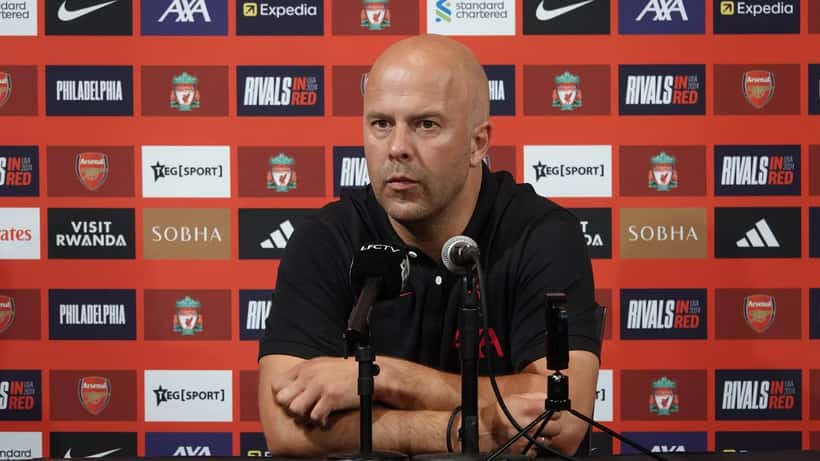
Fenway Sports Group confirmed this week that Arne Slot will remain Liverpool's head coach for the 2026-27 season — a decision that surprised many supporters after what has been a trophy-less campaign at Anfield. The club spent approximately £450 million in transfers during Slot's first season in charge, yet results fell short of expectations. Reports from The Mirror suggest FSG is now preparing a six-year contract extension for the Dutch manager.
Beyond the football storyline, this moment raises a question that employment solicitors in the UK regularly face from clients in high-pressure management roles: what does the law actually say when a senior employee publicly expresses confidence in their future, only for the situation to unravel later?
Are Football Managers Employees Under UK Law?
The first thing many people get wrong is assuming football managers occupy a unique legal category. They do not. In the eyes of UK employment law, a head coach employed by a football club under a fixed-term or rolling contract is an employee — subject to the same Employment Rights Act 1996 protections as any other worker.
This matters because it determines what remedies are available if things go wrong. Employees have rights that self-employed contractors do not, including protection against unfair dismissal (after two years of continuous service), the right to written reasons for dismissal, entitlement to statutory notice, and access to employment tribunals.
Arne Slot has been in post since the summer of 2024. He is now well within the two-year threshold that triggers full unfair dismissal protection.
When Public Backing Creates Legal Obligations
FSG's public statements backing Slot — and the reported contract extension discussions — are not legally binding commitments in themselves. A statement to the press that a manager "has our full confidence" does not constitute a contractual variation. However, it is relevant if things change.
If an employer publicly backs an employee and then dismisses them without a material change in circumstances, an employment tribunal will scrutinise whether the dismissal was genuinely fair. The statutory test requires that the employer had a potentially fair reason (capability, conduct, redundancy, or some other substantial reason) and acted reasonably in the circumstances.
Where a board has expressed full confidence, only to reverse course months later, tribunals often find that the procedure was flawed — particularly if there was no formal performance improvement process, no clear targets set, and no warning given before dismissal.
Slot's position is further strengthened by a publicly acknowledged explanation for Liverpool's underperformance: FSG themselves attributed the difficult season to personal tragedy within the squad, Mohamed Salah's physical decline, and the disruption caused by an accelerated squad rebuild. When an employer acknowledges external mitigating factors, it becomes harder to argue dismissal for capability reasons without first offering structured support.
Notice Periods and Garden Leave: What the Contract Determines
Football management contracts are typically fixed-term, with buyout clauses specifying compensation payable if a club terminates early. These clauses can run to tens of millions of pounds at the top level. This is very different from the statutory minimum notice most employees receive, and it is entirely a matter of contractual negotiation.
Garden leave — where a dismissed employee remains on full pay but is barred from working elsewhere for the notice period — is standard in football. It protects the club's confidential information (tactics, scouting data, squad dynamics) and prevents the manager from immediately joining a rival. For a head coach at Liverpool's level, notice periods of six to twelve months are not unusual.
The Acas code of practice on disciplinary and grievance procedures applies even to senior employees. While tribunals will adapt their expectations to the seniority of the role, they still expect basic procedural fairness: a manager facing dismissal should be informed of concerns, given the opportunity to respond, and not dismissed without due process.
For context on similar cases — including what happened when Liverpool's sporting director faced contractual questions earlier this season — our analysis of the Michael Edwards employment situation sets out the framework in detail.
What Happens to Slot's Rights if the Extension Talks Fail?
The Mirror's report of a six-year extension for Slot is not confirmed. If negotiations fail and the club instead declines to renew at the end of his current term, that is not dismissal — it is the expiry of a fixed-term contract. However, under the Employment Rights Act, even fixed-term expiries can constitute unfair dismissal if the non-renewal is not justified.
If Slot were dismissed mid-contract without a fair reason, he would be entitled to the higher of:
- The remaining value of his fixed-term contract (minus any duty to mitigate)
- The buyout clause specified in his contract
At Premier League salaries, these sums are substantial. Liverpool's ownership will be keenly aware that the cost of a poorly managed departure — in legal fees and compensation — can rival, or exceed, the cost of honouring the contract.
When Should a Senior Manager Consult an Employment Solicitor?
The FSG-Slot situation is a reminder that senior management roles carry significant legal complexity on both sides. Whether you are a football manager, a chief executive, or a high-earning professional in any sector, early legal advice can be decisive.
Consider consulting an employment solicitor if:
- Your employer has made public commitments about your future and you want to understand if these create any obligation
- You are entering contract extension negotiations and need advice on the terms
- You have been placed under a performance improvement plan and are uncertain of your rights
- You are considering a resignation that might amount to constructive dismissal
A one-hour consultation with a specialist employment solicitor typically costs £150 to £350 in London. Many offer a free initial call. Given what is at stake in senior roles, early advice invariably costs far less than a disputed tribunal case.
This article provides general legal information only and does not constitute legal advice. For advice specific to your situation, consult a qualified solicitor.
