 Rebecca Taylor
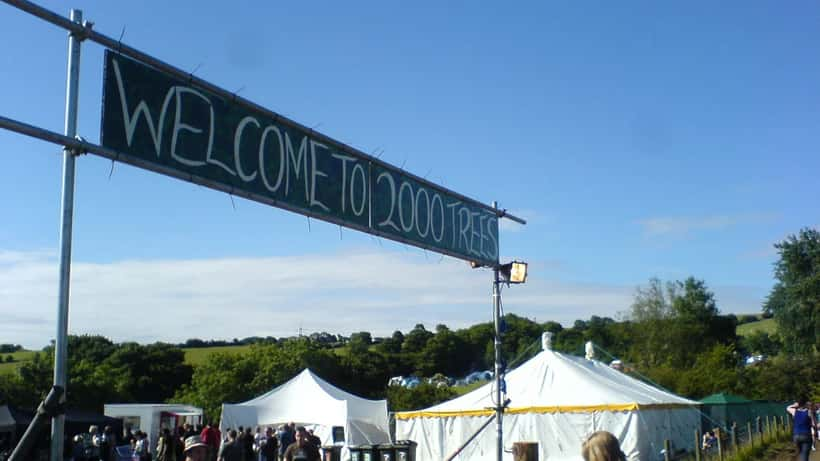
The 2000trees music festival returned to Upcote Farm near Cheltenham from 8 to 11 July 2026, drawing thousands of fans to see Alkaline Trio, Funeral For A Friend, and Neck Deep headline one of the UK's most beloved independent rock events. But beyond the set lists, reviewers described "relentless 30-degree heat" and a Gloucestershire sun so fierce it melted tent pegs. For many attendees, that kind of sustained heat is where real medical risks begin — and knowing the difference between feeling rough and needing urgent help is knowledge that travels to every festival you attend.
Why Upcote Farm in 30°C Heat Is a Medical Red Flag
Upcote Farm sits on open hillside without a tree canopy. During 2000trees 2026's four-day run, temperatures consistently hit 30°C — conditions the NHS classifies as a genuine heat-illness risk, particularly for people who are physically active, drinking alcohol, or sleeping in unventilated tents.
Heat-related illness is not a minor inconvenience at UK festivals. The Isle of Wight Festival medical team reported a 15% rise in heat-related presentations in 2023 compared to 2022, and emergency services data from Glastonbury consistently lists heat exhaustion among the top five reasons for hospitalisation. Multiply those numbers by three days of standing in sun-exposed fields, and 2000trees 2026 was textbook territory for heat incidents.
The problem is that heat exhaustion escalates fast and its early warning signs — feeling faintly tired, a bit sweaty, slightly nauseous — are exactly what thousands of people dismiss as "festival fatigue." According to NHS guidance on heat exhaustion and heatstroke, untreated heat exhaustion can become heatstroke within thirty minutes, and heatstroke is a medical emergency that can cause brain damage, organ failure, and death.
The Warning Signs Most Festivalgoers Miss
Understanding the two-stage progression is essential. Heat exhaustion and heatstroke are distinct conditions, and the window to act is short.
Heat exhaustion typically presents with:
- Excessive sweating and pale, clammy skin
- Dizziness, weakness, or feeling faint
- Headache and muscle cramps
- Nausea or vomiting
- Intense, persistent thirst
Heatstroke — the dangerous escalation — shows a different picture:
- Core body temperature above 40°C
- Confusion or disorientation
- Hot skin that has stopped sweating despite the heat
- Fast heartbeat and rapid, shallow breathing
- Loss of coordination or seizures
The critical tell is sweating: if someone was sweating heavily and has suddenly stopped sweating in the heat, do not wait to see how they feel in ten minutes. Move them to shade immediately and call 999.
NHS guidance is specific on timelines: if a person with heat exhaustion does not begin to recover within thirty minutes of cooling measures — shade, cool water to drink, removing outer clothing, damp cloths on skin — dial 999. Most people in crowd situations wait far longer than thirty minutes before seeking help.
A Practical Scenario: What Happened to Many 2000trees Attendees This July
Consider a composite picture that matches dozens of real experiences reported from 2000trees 2026. A 28-year-old arrived on Thursday, pitched a tent in the camping field by midday, spent the afternoon in the standing crowd for afternoon acts, and consumed two ciders in four hours — moderate alcohol intake, not intoxication.
By 5pm, they felt headachy and slightly dizzy. They put it down to tiredness from the drive and the afternoon heat. They drank half a bottle of water and carried on into the main stage field for the evening headliner. By 8pm, they had nausea bad enough to leave the crowd but felt too embarrassed to go to the first aid tent.
This is exactly the scenario where professional medical guidance matters. The nausea combined with persistent headache and dizziness after a day in 30°C heat, with alcohol intake reducing the body's ability to regulate temperature, is a textbook heat exhaustion presentation. At that point, the NHS thirty-minute rule already applied.
The if/then logic that matters here:
- If you have been in the sun for more than three hours and feel nauseous AND dizzy AND have a headache, these are three concurrent symptoms: go to the first aid tent, not back to your tent
- If you stop sweating but the temperature is still over 28°C: call 999 immediately — this is a heatstroke indicator
- If symptoms have not improved after thirty minutes of rest in shade with water: call 999 even if you feel "a bit better" — partial improvement is not recovery
What makes festivals specifically dangerous is the delay factor. The first aid tent at 2000trees is a free resource staffed by trained medical personnel. In 2026, with 30°C heat across all four days, it was the most valuable tent on site. Yet most people only attended it after conditions had significantly worsened.
A qualified GP consulted after a festival heat episode can assess whether recovery was complete or whether there are residual signs of heat injury — elevated resting heart rate, persistent fatigue, or cognitive fogginess lasting more than 24 hours after the festival are all reasons to seek a same-day GP consultation.
When to Seek Medical Help After 2000trees
Post-festival health checks are underused. If you attended 2000trees 2026 and experienced heat-related symptoms, there are clear indicators that warrant seeing a doctor rather than waiting it out.
See your GP within 24 hours if:
- You are still experiencing fatigue, headaches, or muscle cramps more than a day after returning home
- Your urine remains dark yellow or amber (a sign of incomplete rehydration)
- You feel cognitively foggy or find it hard to concentrate on normal tasks
- Your heart rate at rest feels elevated compared to normal
Seek emergency care immediately (A&E or 999) if:
- You are confused or disoriented in the days following the festival
- You develop a high temperature (above 38°C) combined with hot, dry skin
- You fainted at the festival and did not receive a medical assessment at the time
- Someone with you is showing any heatstroke symptoms listed above
Emergency care always takes priority over booking an appointment. If in doubt, call 111.
The Bigger Picture for UK Festival Season
2000trees is one of dozens of UK outdoor festivals held between May and September. Across that calendar, the same heat risks apply: Reading, Leeds, Download, Boardmasters, and Boomtown all run in warm or hot conditions. UK summers have trended hotter since 2019, with three of the last five years recording temperatures above 35°C at some point during festival season.
The health system consequence is measurable. The 15% rise in heat-related festival presentations in 2023 is not an outlier — it reflects a structural change in UK summer temperatures that festival medicine has not fully caught up with. At 2000trees specifically, the open-field venue design, the predominance of standing crowds, the camping culture that keeps people outside around the clock, and the alcohol consumption all compound the thermal load on the body.
You can find additional guidance on managing health emergencies in outdoor settings in our article on medical advice during unexpected health crises.
What to Do Now
If you attended 2000trees 2026 and experienced any of the warning signs described above, a consultation with a GP or specialist physician is a low-barrier step that can confirm full recovery and rule out any residual heat injury.
ExpertZoom connects you with qualified health professionals available for remote consultations. For heat-related concerns, a GP can review your symptoms, check whether your recovery has been complete, and advise on any follow-up required — without a wait at an NHS surgery.
This article provides general health information and is not a substitute for professional medical advice. If you are experiencing symptoms of heatstroke or a medical emergency, call 999 immediately. For non-urgent health concerns, consult a qualified GP or healthcare professional.
format_used: News brief
