 Amelia Ward
Peckham Fire 2026: Smoke Inhalation Health Risks and Expert First-Aid Advice
A major fire in Peckham, south-east London, has drawn emergency crews, displaced residents, and raised urgent questions about the health risks that linger long after the flames are out. While property damage is immediately visible, smoke inhalation is often the silent threat that affects survivors, bystanders, and even people living streets away. In this expert guide, we explain what smoke inhalation does to the body, which symptoms demand emergency care, and how to protect yourself and your family in the days following the incident.
What happened in the Peckham fire?
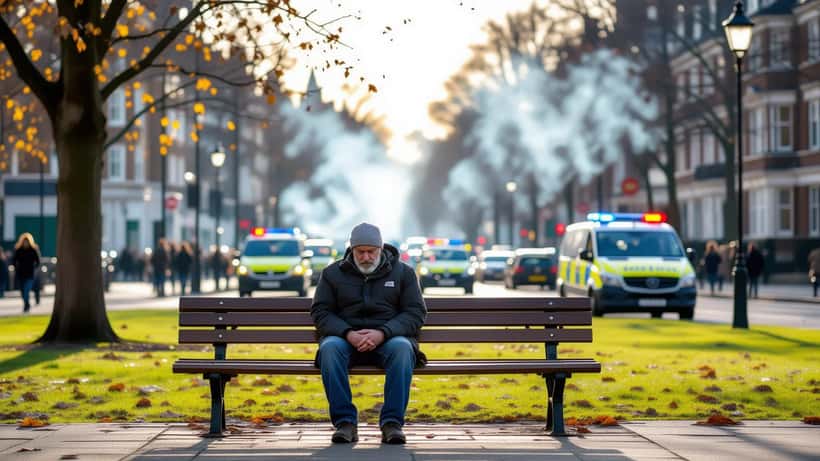
In mid-2026, a significant fire broke out in a Peckham residential and commercial building, sending thick smoke across the neighbourhood and prompting a multi-agency response from the London Fire Brigade, London Ambulance Service, and local council teams. Images shared on social media showed dense grey plumes drifting over Peckham Rye and surrounding streets, while emergency services urged residents to keep windows and doors closed.
Although the immediate blaze was brought under control, the public-health impact does not end when the hoses are rolled away. Smoke from structural fires contains a cocktail of toxic substances, including carbon monoxide, hydrogen cyanide, formaldehyde, and fine particulate matter known as PM2.5. These pollutants can irritate the airways, reduce oxygen delivery to vital organs, and trigger complications that may appear hours or even days after exposure.
Why smoke inhalation is the hidden danger
Smoke is more than just hot air and soot. Modern buildings contain synthetic materials, plastics, foams, and treated woods that, when burned, release hundreds of hazardous chemicals. The smaller the particle, the deeper it travels into the lungs. PM2.5 particles can cross into the bloodstream, affecting the heart and brain as well as the respiratory system.
Children, older adults, pregnant women, and people with asthma, COPD, or heart disease are especially vulnerable. Even healthy adults who were outdoors near the smoke plume can experience throat irritation, headaches, and fatigue. Because symptoms can be delayed, it is easy to underestimate the risk and delay medical assessment.
Symptoms to watch for after smoke exposure
Smoke-inhalation injuries fall into three broad categories: immediate, delayed, and long-term. Knowing the difference can save lives.
Immediate symptoms (minutes to hours)
- Coughing, wheezing, or shortness of breath
- Burning or irritated eyes, nose, and throat
- Headache, dizziness, or confusion
- Nausea or vomiting
- Chest tightness or pain
- Hoarse voice or difficulty swallowing
Delayed symptoms (hours to days)
- Worsening cough with dark or grey phlegm
- Increasing breathlessness, especially when lying flat
- Fever or chills
- Fatigue that seems out of proportion to activity
- New or worsening asthma symptoms
- Changes in mental state, such as confusion or excessive sleepiness
Delayed symptoms are particularly dangerous because they can develop while a person feels they have already recovered. Chemical irritation can cause airway swelling that peaks 12 to 24 hours after exposure, so monitoring is essential during the first two days.
When to call 999 versus NHS 111
Not everyone exposed to smoke needs an ambulance, but some signs are medical emergencies. Call 999 immediately if you or someone nearby has:
- Severe breathing difficulty or bluish lips or fingertips
- Confusion, drowsiness, or loss of consciousness
- Chest pain or tightness that does not ease with rest
- Coughing up blood or thick black sputum
- Facial burns or singed nasal hairs combined with breathing problems
These can indicate carbon monoxide poisoning, airway burns, or chemical lung injury. For less urgent but concerning symptoms, NHS 111 can advise whether you need same-day urgent care, an appointment with your GP, or simple home monitoring.
Expert first-aid steps while waiting for help
If someone has been exposed to smoke and is waiting for emergency services, there are safe, evidence-based steps you can take:
- Move to fresh air. Get the person away from the smoke source, ideally into clean outdoor air or a room with closed windows and doors.
- Loosen tight clothing. This helps reduce the work of breathing and improves comfort.
- Encourage calm, slow breaths. Panic increases oxygen demand; slow breathing can help maintain adequate gas exchange.
- Sit upright. This position reduces pressure on the diaphragm and makes breathing easier than lying flat.
- Do not give food or drink if the person is drowsy, confused, or having trouble swallowing, because of the risk of choking.
- Avoid home remedies. Do not give milk, oils, or other substances to "neutralise" smoke. These are ineffective and can cause additional problems.
Once professional help arrives, be ready to tell crews how long the person was exposed, whether they were inside or outside, and whether they have any pre-existing lung or heart conditions.
Long-term health considerations
For most people, symptoms resolve within a few days to a few weeks. However, some individuals develop longer-term issues. Research into fire survivors has linked significant smoke exposure to:
- Persistent cough and bronchitis-like symptoms
- Exacerbation of asthma or new-onset asthma
- Reduced lung function in children
- Increased risk of cardiovascular events in susceptible adults
- Psychological effects, including anxiety and post-traumatic stress
If symptoms persist beyond two weeks, a referral to a respiratory specialist may be appropriate. Psychological support should also be considered, especially for those who lost their home or witnessed traumatic events during the fire.
Protecting yourself after the Peckham fire
Local authorities will issue air-quality updates and advice on when it is safe to ventilate homes. Until then, residents should:
- Keep windows and doors closed when smoke is visible or odours are strong.
- Use mechanical ventilation only if it recirculates indoor air rather than drawing in outdoor air.
- Avoid strenuous outdoor exercise near the affected area.
- Clean surfaces and fabrics that may have absorbed smoke particles.
- Replace HVAC filters if possible, and consider a HEPA air purifier for sensitive individuals.
- Wash exposed skin and change clothes after being outdoors in smoky conditions.
How Expert-Zoom connects you with health professionals
Understanding your risk after a fire can be overwhelming, especially when you are also dealing with housing disruption, insurance, and family concerns. Expert-Zoom is an expert consultation marketplace that puts you in touch with qualified professionals across health, legal, housing, and insurance fields.
If you are experiencing ongoing cough, breathlessness, anxiety, or uncertainty about your rights as a displaced resident, you can book a confidential video or phone consultation with a relevant expert. Our network includes respiratory health specialists, mental-health professionals, housing advisers, and legal experts who can answer your questions without long waiting lists.
Conclusion
The Peckham fire of 2026 is a stark reminder that fire damage is not only structural. Smoke inhalation can cause serious, sometimes delayed, health effects that deserve prompt attention. By recognising the warning signs, knowing when to seek emergency care, and taking sensible precautions in the aftermath, residents can protect themselves and their loved ones. For persistent symptoms or expert guidance, professional help is available through platforms like Expert-Zoom, where qualified specialists can provide personalised advice when you need it most.
