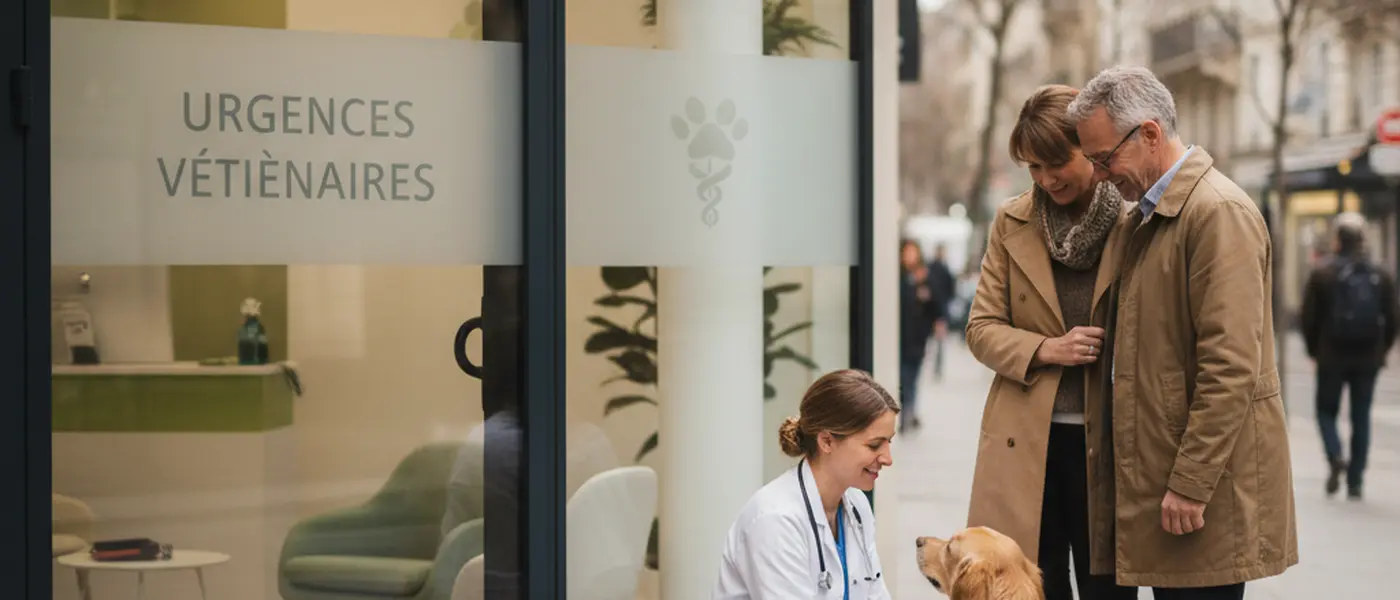
Finding a veterinarian near you involves more than picking the closest clinic on a map. The Royal College of Veterinary Surgeons (RCVS) registers over 30,000 practising veterinary surgeons across the UK [RCVS, 2025], yet average consultation fees vary from £30 to £65 depending on region and practice type. Knowing what to evaluate before booking that first appointment saves both money and stress for you and your pet.
Key takeaway: Check RCVS registration, compare fee structures, verify emergency cover, and visit the practice in person before committing.
Why Location Matters When Choosing a Veterinary Practice
A veterinary practice within a reasonable driving distance is not a luxury — it is a safety requirement. The British Veterinary Association (BVA) recommends that pet owners can reach their registered vet within 30 minutes in normal traffic [BVA, 2024]. Emergency situations such as poisoning, bloat in dogs, or road traffic injuries require rapid intervention where every minute counts.
Proximity also affects ongoing costs. Many UK practices charge a travel supplement for home visits, typically between £40 and £80 on top of the consultation fee [RCVS Practice Standards Scheme, 2024]. Registering with a nearby practice eliminates these charges and makes routine appointments — vaccinations, flea treatments, dental checks — easier to keep on schedule.
Beyond emergencies, a local vet builds familiarity with your pet's history. Continuity of care means fewer repeated diagnostics, more accurate treatment plans, and a calmer experience for animals who already know the clinic environment.
Key point: A practice within 30 minutes' drive balances convenience, emergency readiness, and consistent care.

How to Verify a Veterinarian's Credentials in the UK
Every practising veterinary surgeon in the United Kingdom must hold RCVS registration. The RCVS maintains a public register at Find a Vet, where you can confirm a vet's qualifications, disciplinary history, and practice accreditation status. A veterinarian without current RCVS registration cannot legally treat animals in the UK [Veterinary Surgeons Act 1966].
Practice Standards Scheme Accreditation
The RCVS Practice Standards Scheme awards three tiers of accreditation:
- Core Standards — meets minimum legal and professional requirements
- General Practice — exceeds core with additional equipment and protocols
- Veterinary Hospital — 24-hour nursing care, advanced diagnostics, and surgical facilities
Practices voluntarily enter the scheme, meaning not all clinics are assessed. However, accredited practices undergo regular inspections and must demonstrate compliance with clinical governance, biosecurity, and record-keeping standards.
Specialist Qualifications
For complex cases — oncology, orthopaedic surgery, cardiology — look for vets holding RCVS Specialist or Advanced Practitioner status. These designations require several years of additional training and examination beyond the initial veterinary degree. The RCVS register lets you filter by specialism.
Essential: Always verify RCVS registration before booking. Accredited practices offer independently audited standards of care.
What to Expect: Typical Veterinary Costs Across the UK
Veterinary fees in the UK are not regulated, meaning practices set their own prices. Understanding average costs helps you budget and compare quotes.
Regional variation is significant. London and the South East typically charge 20–30% more than practices in the North of England or Wales [PDSA PAW Report, 2024]. Rural practices may charge less per consultation but add travel fees for farm or home visits.
Pet insurance covers a large proportion of unexpected costs. The Association of British Insurers (ABI) reports that the average pet insurance claim reached £934 in 2023, up 11% year-on-year [ABI, 2024]. Comparing what a practice charges against common insurance excess levels helps determine your real out-of-pocket exposure.
Essential: Request a printed fee schedule from any practice you're considering. Transparent pricing is a sign of a well-managed clinic.
Emergency and Out-of-Hours Veterinary Care
Not all veterinary practices offer 24-hour emergency cover. Since 2015, the RCVS requires every practice to inform clients how out-of-hours emergencies are handled [RCVS Code of Professional Conduct, 2024]. Some clinics run their own overnight rota, while others redirect to dedicated emergency hospitals.
Questions to Ask About Emergency Cover
- Does the practice provide its own out-of-hours service or use an external provider?
- Where is the nearest emergency clinic, and how far is it from your home?
- What is the triage process — phone assessment first or direct attendance?
- Are emergency consultations covered under your pet insurance plan at this provider?
Dedicated emergency veterinary hospitals such as Vets Now operate over 60 clinics across the UK, offering nights, weekends, and bank holiday cover. These clinics are staffed by emergency-trained veterinary surgeons and nurses equipped with on-site imaging and surgical theatres.
When you register with a local practice, confirm the emergency referral pathway in writing. Knowing the route and phone number before an emergency occurs removes critical decision-making pressure in a crisis.
Five Practical Steps to Evaluate a Veterinary Practice Near You
Visiting a practice before registering your pet reveals details no website can capture. Here is a structured evaluation approach.
- Check the waiting area. A clean, calm environment with separate cat and dog zones reduces stress. RCVS-accredited hospitals require segregated waiting areas.
- Ask about staff qualifications. Registered veterinary nurses (RVNs) hold RCVS-recognised qualifications. Practices employing RVNs rather than untrained assistants deliver measurably better post-operative care [BVA, 2023].
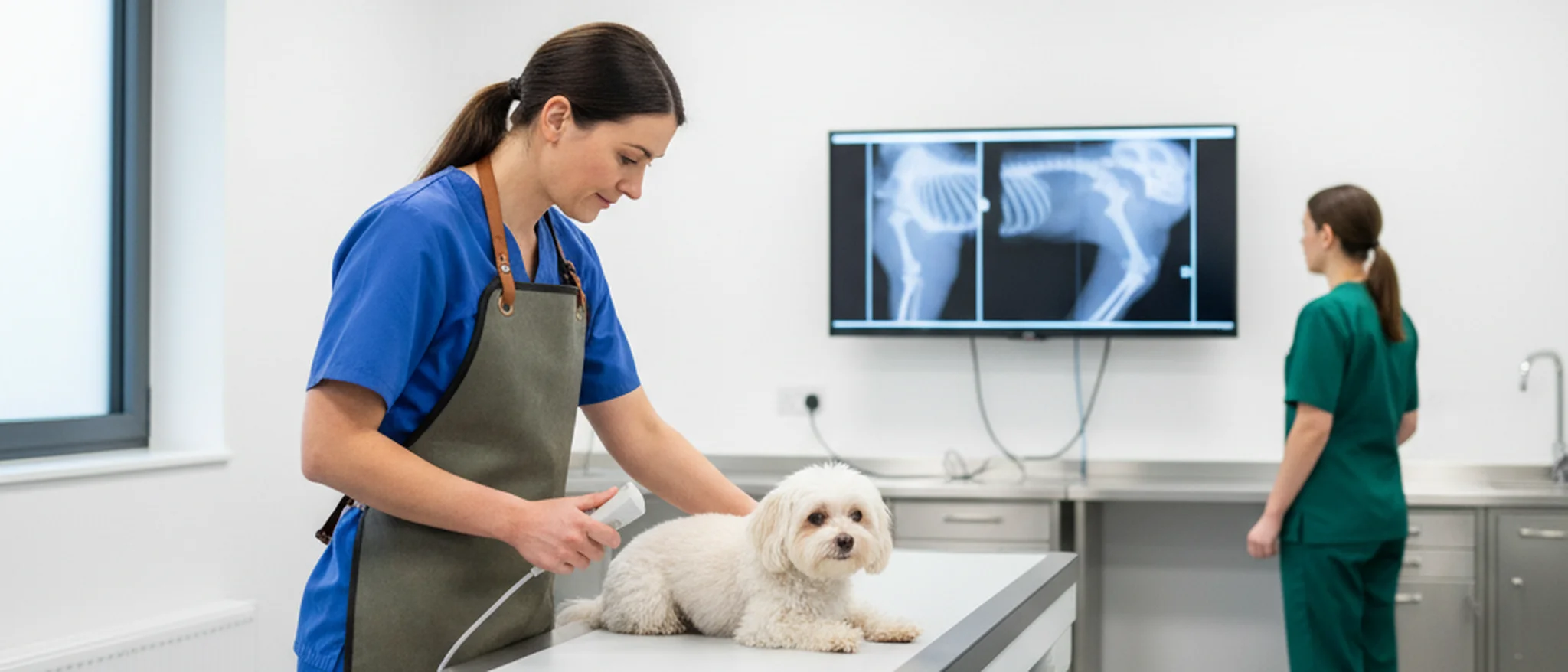
- Review diagnostic equipment. In-house blood analysis, digital X-ray, and ultrasound indicate a practice that can diagnose quickly rather than referring out for basic tests.
- Request the fee schedule. Transparent practices provide a printed or online price list covering consultations, vaccinations, neutering, and common procedures.
- Read recent reviews — but carefully. Google and Trustpilot reviews offer insight, but focus on patterns rather than individual complaints. Consistent praise for communication and aftercare matters more than a single negative experience.
"A good veterinary practice welcomes questions from prospective clients. If a clinic is reluctant to share its fees or show you around, consider that a warning sign." — British Veterinary Association guidance for pet owners [BVA, 2024]
When to Consider a Specialist Referral Veterinarian
General practitioners handle roughly 90% of veterinary cases. Specialist referral becomes necessary for conditions requiring advanced imaging (MRI, CT), complex surgery, or long-term management of chronic diseases such as diabetes, epilepsy, or cancer.
Referral veterinary centres in the UK are typically larger hospitals staffed by RCVS-recognised specialists. Your local vet initiates the referral and shares your pet's clinical history with the specialist team. After treatment, care transfers back to your registered practice for follow-up.
Cost implications are significant. A specialist consultation ranges from £200 to £500, and advanced procedures can exceed £5,000 [RCVS, 2024]. However, most pet insurance policies cover referral treatment up to annual limits. Confirm your policy wording before agreeing to referral to avoid unexpected bills.
Knowing whether your local practice has established referral pathways — and which specialist hospitals they work with — is worth asking during your initial visit. A practice with strong referral relationships ensures continuity rather than leaving you to find a specialist independently.
Frequently Asked Questions About Finding a Veterinarian Near You
How do I find an RCVS-registered vet near my postcode?
Visit findavet.rcvs.org.uk and enter your postcode. The register shows every accredited practice within your chosen radius, including opening hours and accreditation level.
Can I register with more than one veterinary practice?
There is no legal restriction. However, splitting care between practices means no single vet holds your pet's complete medical history. Most veterinary professionals recommend one primary practice with a clear emergency backup plan.
What should I do if I cannot afford veterinary treatment?
The PDSA provides free and reduced-cost veterinary care for eligible pet owners receiving certain benefits. The RSPCA and Blue Cross also operate clinics in some areas. Ask your local practice about payment plans — many now offer interest-free instalments through providers like Klarna for Vets.
Are online veterinary consultations a good alternative?
Telehealth services suit minor concerns — skin irritations, dietary questions, post-operative check-ins. They cannot replace physical examination, diagnostics, or procedures. The RCVS permits remote prescribing only when a vet-client-patient relationship already exists [RCVS Telehealth Guidance, 2024].
If you need personalised advice about choosing or evaluating a veterinarian in your area, Expert Zoom connects you with qualified professionals who can answer your questions in real time.
Disclaimer: The information on this page is provided for general guidance only and does not constitute veterinary medical advice. Always consult a qualified veterinary surgeon for your pet's specific health needs.