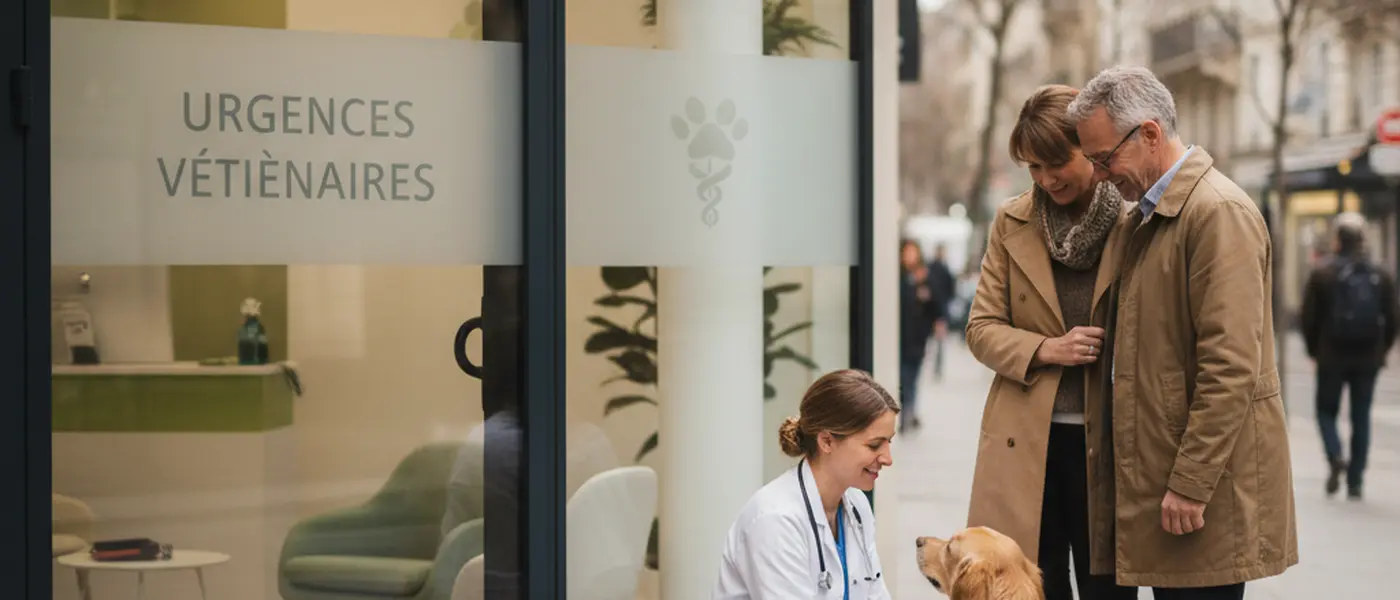
The average UK pet owner spends £1,600 on vet bills over their animal's lifetime, yet fewer than half fully understand what their vet actually covers [PDSA Animal Wellbeing Report, 2024]. Whether you need a routine vaccination or emergency surgery at 2 AM, knowing how the UK veterinary system works saves money, time, and potentially your pet's life.
The UK has over 28,000 practising veterinary surgeons regulated by the Royal College of Veterinary Surgeons (RCVS) [RCVS Facts, 2024]. Unlike the NHS, veterinary care is entirely private — there is no state-funded equivalent for animals. This guide breaks down how to find the right vet, what different types of practice offer, and how to manage costs effectively.
What Does a Vet Do in the UK?
A veterinary surgeon (vet) is a qualified medical professional who diagnoses, treats, and prevents diseases in animals. In the UK, every practising vet must be registered with the Royal College of Veterinary Surgeons (RCVS), the regulatory body established under the Veterinary Surgeons Act 1966.
Vets handle far more than routine check-ups. A typical first-opinion practice offers vaccinations, neutering, dental work, diagnostic imaging, minor surgery, and end-of-life care. Many also provide microchipping — mandatory for all dogs in England since 2016 under the Microchipping of Dogs (England) Regulations.
Key point: Only RCVS-registered professionals may legally perform veterinary surgery in the UK. Veterinary nurses can carry out certain procedures under direction, but diagnosis and prescribing remain vet-only responsibilities.
Beyond general practice, vets work in referral hospitals, government agencies like the Animal and Plant Health Agency (APHA), research institutions, and the food industry. The profession requires a minimum five-year degree from an RCVS-accredited university, followed by lifelong continuing professional development.
Types of Veterinary Practice: First-Opinion vs Referral
Not all vet practices offer the same level of care. Understanding the difference helps you choose the right provider and avoid overpaying for services you don't need.
First-Opinion Practices
First-opinion vets are your animal's equivalent of a GP. They handle routine consultations, vaccinations, minor illnesses, and basic surgery. Most UK pet owners register with a local first-opinion practice and visit 2-3 times per year. A standard consultation costs between £30 and £65, depending on location [British Veterinary Association, 2024].
Referral and Specialist Hospitals
When a condition requires advanced diagnostics — MRI scans, orthopaedic surgery, oncology — your vet refers you to a specialist. Referral vets hold additional RCVS-recognised qualifications (diplomas or certificates) in fields like cardiology, neurology, or dermatology. Treatment here costs significantly more: an MRI scan alone ranges from £1,500 to £3,000 [Vet Referral Costs UK, 2024].
Emergency and Out-of-Hours Clinics
Since 2015, the RCVS no longer requires practices to provide their own out-of-hours cover. Most now partner with dedicated emergency clinics. Emergency consultations typically cost £150-£300 before any treatment begins. If your dog shows signs of sudden illness, an emergency vet is available 24/7 in most urban areas.
How Much Does a Vet Cost in the UK?
Veterinary fees are unregulated in the UK — each practice sets its own prices. This creates significant variation, particularly between London and the rest of the country.
Sources: BVA Fee Survey 2024; RCVS Practice Standards Data 2024
London practices charge 20-40% more than the national average for identical procedures [RCVS, 2024]. Some corporate chains offer bundled "wellness plans" from £15/month covering vaccinations, flea treatments, and annual check-ups — worth comparing against pay-as-you-go pricing.
Key takeaway: Always ask for an itemised estimate before any non-routine procedure. Vets are not required to provide written quotes, but most reputable practices will do so on request.

Pet Insurance and Vet Bills: What You Need to Know
Pet insurance is the primary way UK owners manage unexpected vet costs. The market has grown 70% in the past decade, with 3.6 million dogs and 1.3 million cats now covered [Association of British Insurers, 2024].
How Pet Insurance Works with Vets
Most policies operate on a reimbursement model: you pay the vet bill upfront, then claim back from your insurer. A growing number of practices now offer direct payment from insurers, reducing the upfront burden. Premiums range from £10-£30/month for dogs and £7-£20/month for cats, depending on breed, age, and cover level.
Choosing the Right Level of Cover
Lifetime policies offer the strongest protection — they renew the benefit amount each year, covering chronic conditions like diabetes or arthritis throughout your pet's life. Time-limited policies cost less but stop paying for a condition after 12 months. When Sarah's Labrador developed hip dysplasia at age four, her lifetime policy covered the £4,200 surgery and ongoing physiotherapy. A time-limited policy would have stopped paying after 12 months, leaving her to fund long-term care alone. For older pets with specific health needs, lifetime cover is almost always the better investment.
"The biggest mistake pet owners make is choosing the cheapest policy without checking exclusions. A policy that excludes hereditary conditions for a pedigree breed offers very little real protection." — Veterinary business advisor, RCVS Practice Standards Panel
How to Choose the Right Vet for Your Pet
Finding a vet goes beyond picking the nearest practice. The RCVS Practice Standards Scheme rates practices at three levels — Core, General Practice, or Veterinary Hospital — based on facilities, staffing, and protocols.
What to Look for in a Practice
- RCVS accreditation level — check on the RCVS Find a Vet tool. Hospital-level accreditation means advanced surgical and diagnostic capability on-site.
- Species expertise — if you own an exotic pet, rabbit, or reptile, confirm the practice has vets experienced with that species. Not all cat health issues require the same approach as canine cases.
- Out-of-hours arrangements — ask which emergency provider they use and whether they share clinical records digitally.
- Fee transparency — a practice willing to discuss costs openly is generally more trustworthy.
Red Flags to Avoid
Practices that refuse to provide estimates, push unnecessary treatments, or discourage second opinions warrant caution. The RCVS Code of Professional Conduct gives clients the right to request referral to a specialist at any time.
A good working relationship with your vet matters. Regular visits build a clinical history that improves diagnosis accuracy over time.

Low-Cost Vet Options in the UK
Veterinary care doesn't have to mean financial crisis. Several organisations provide subsidised or free treatment for owners on low incomes.
The PDSA operates 48 pet hospitals across the UK, treating eligible pets at no cost. Eligibility requires receiving Housing Benefit or Council Tax Support. The Blue Cross runs animal hospitals in London, Grimsby, and Victoria, offering means-tested reduced fees. RSPCA branches provide subsidised neutering and vaccination programmes in many areas.
Some universities with veterinary schools — the Royal Veterinary College (London), University of Edinburgh, and University of Liverpool among them — offer reduced-price treatment through supervised teaching clinics. Wait times are longer, but the quality of care matches or exceeds standard practice.
Key takeaway: If you're struggling with vet bills, contact the PDSA (0800 731 2502) or your local Blue Cross centre before delaying treatment. Untreated conditions invariably cost more in the long run.
Frequently Asked Questions About Vets in the UK
Can I see any vet or do I need to register with one?
You can visit any vet practice in the UK without formal registration, but most practices prefer clients to register so they can maintain medical records. Registration is free and takes a few minutes.
Do vets in the UK treat all animals?
Most first-opinion vets treat dogs, cats, and small mammals. For horses, farm animals, or exotics (reptiles, birds), you need a vet with specific species experience. The RCVS directory lets you filter by species treated.
What should I do in a pet emergency outside office hours?
Call your registered practice — their answerphone will direct you to the nearest emergency provider. Alternatively, search for "emergency vet near me" or visit Vets Now for 24/7 clinics nationwide.
Are vet prescriptions valid at pharmacies?
Yes. Since 2005, vets must provide a written prescription on request, allowing you to buy medication from licensed online pharmacies — often at 20-40% less than practice prices.
How often should I take my pet to the vet?
Healthy adult pets benefit from an annual check-up. Puppies and kittens need multiple visits in their first year for vaccinations. Senior pets (over 7-8 years) should visit every six months for early detection of age-related conditions.
Disclaimer: The information on this page is provided for general guidance only and does not constitute veterinary advice. Consult a qualified veterinary surgeon for advice specific to your pet's condition.