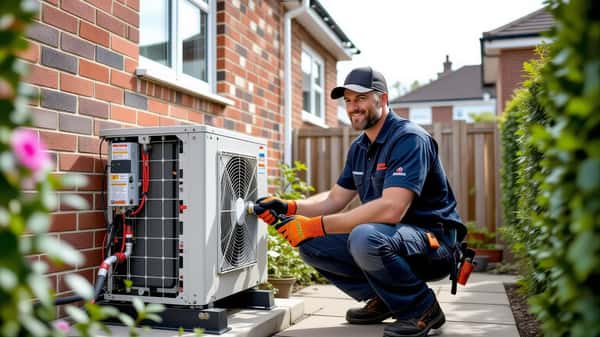
No, repairing your air conditioning unit does not always mean a four-figure bill. Across the UK, homeowners and tenants routinely overpay — or worse, ignore faults entirely — because of persistent myths about AC repair. The reality? A straightforward re-gas costs as little as £70, and catching a refrigerant leak early can save you hundreds compared to a full compressor replacement [Chartered Institution of Building Services Engineers (CIBSE), 2024]. Here are five misconceptions that cost British households real money every summer.
Myth 1: AC Repair Always Costs Over £1,000
This is the myth that stops people picking up the phone. In truth, the average AC repair in the UK falls between £100 and £500 for split systems and £50 to £150 for window units [CIBSE, 2024]. Only major component failures — a seized compressor or a corroded condenser coil — push costs above £800.
A re-gas, one of the most common service calls, typically runs £70 to £150 depending on the refrigerant type. Replacing a capacitor or a faulty thermostat sensor sits in the £80 to £200 range. The expensive repairs that make headlines are the exception, not the rule.
| Repair Type | Typical UK Cost | When Needed |
|---|---|---|
| Re-gas (refrigerant top-up) | £70 – £150 | Weak cooling, unit runs constantly |
| Thermostat or sensor replacement | £80 – £200 | Inconsistent temperatures |
| Fan motor replacement | £150 – £350 | Unusual noises, no airflow |
| Compressor replacement | £600 – £1,200 | Unit fails to start, loud clunking |
| Full condenser coil | £400 – £900 | Visible corrosion, refrigerant leak |
Key point: Get a written quote before authorising work. Reputable engineers will diagnose the fault and explain the cost breakdown before touching any components.
Myth 2: You Should Only Call an Engineer When the Unit Stops Completely
Waiting for a total breakdown is the most expensive strategy. Small symptoms — reduced airflow, warm spots in rooms, or the unit cycling on and off rapidly — signal faults that worsen over time. A partially blocked filter forces the compressor to work harder, increasing energy consumption by up to 15% according to the Energy Saving Trust.
Consider what happened to a homeowner in Bristol last summer. The split system in her living room started making a faint rattling sound in May. She assumed it was normal. By August, the fan motor had burned out, and the compressor overheated from the strain. Her repair bill: £950. An engineer's diagnostic visit in May — typically £60 to £80 — would have caught the loose fan bearing early, and the fix would have been under £200.
Warning Signs That Need Prompt Attention
- Ice forming on the outdoor unit — indicates low refrigerant or restricted airflow
- Musty or chemical smell from vents — could signal mould in the ductwork or a refrigerant leak
- Water pooling near the indoor unit — blocked condensate drain, easy fix if caught quickly
- Electricity bills spiking without usage change — the unit is overworking to compensate for a fault

Myth 3: Any Handyman Can Fix an Air Conditioning Unit
Air conditioning systems use pressurised refrigerants — substances regulated under the F-gas Regulation (EU 517/2014), retained in UK law after Brexit. Only engineers holding an F-gas certificate are legally permitted to handle refrigerants such as R-410A or R-32. Hiring an unqualified person risks voiding your manufacturer warranty and, more seriously, releasing gases with a global warming potential thousands of times greater than CO₂.
When searching for "AC repair near me" in the UK, verify two credentials before booking:
- F-gas certification — listed on the Refcom register, the UK's leading F-gas certification body
- Manufacturer accreditation — brands like Daikin, Mitsubishi Electric, and Samsung maintain approved installer networks
An unregistered engineer may charge £30 less per hour, but if they mishandle refrigerant or botch a seal, you face a repeat callout and potentially a new unit. The Building Safety Act 2022 strengthened enforcement around gas and refrigerant handling in domestic properties, making compliance more important than ever.
Myth 4: Replacing the Whole Unit Is Cheaper Than Repairing It
Replacement makes financial sense only when the unit is over 10 years old and the repair costs more than 50% of a new installation. A new split system installation in the UK ranges from £1,500 to £3,500 depending on capacity and brand [CIBSE, 2024]. For a unit under seven years old, repair is almost always the better investment.
The 50% Rule: When to Repair vs Replace
Follow this decision framework used by HVAC professionals across the UK:
- Get the repair quote in writing — ensure it includes parts, labour, and VAT
- Check the unit's age — find the manufacture date on the rating plate (usually on the side of the outdoor unit)
- Apply the 50% test — if repair cost exceeds half the price of a new equivalent unit, replacement starts making sense
- Factor in efficiency — units manufactured before 2015 typically use R-410A refrigerant and have lower SEER ratings than modern R-32 systems, meaning higher running costs even after repair
A five-year-old Daikin split system with a faulty PCB board costs roughly £250 to £400 to repair. Replacing it entirely would cost £2,000 or more. The maths is clear: repair wins in the vast majority of cases for newer equipment that needs routine maintenance.
Myth 5: AC Units Don't Need Servicing if They're Working Fine
An air conditioning unit that appears to be working can still be losing efficiency. Dust accumulation on the evaporator coil reduces heat transfer. Clogged filters restrict airflow. Low refrigerant levels — often from micro-leaks invisible to the naked eye — force the compressor to run longer cycles. None of these faults will stop the unit immediately, but all of them increase running costs and accelerate wear.
The Energy Saving Trust recommends annual servicing for domestic AC systems. A professional service visit includes:
- Cleaning or replacing filters
- Checking refrigerant pressure and topping up if necessary
- Inspecting electrical connections and capacitors
- Clearing the condensate drain
- Testing thermostat calibration
Annual servicing typically costs £80 to £150 and extends the system's lifespan by three to five years on average. Skipping servicing to save £100 now often leads to a £500+ repair within two to three years.
Key takeaway: Treat your AC system like your car. Regular servicing prevents breakdowns, keeps efficiency high, and catches small problems before they become expensive emergencies.
How to Find a Reliable AC Repair Engineer Near You
Searching "AC repair near me" returns dozens of results, but not all engineers offer the same level of service. Use these four checks to shortlist candidates:
- Verify F-gas registration on the Refcom or FGAS register — this is non-negotiable for any work involving refrigerant
- Ask for a fixed-price quote — reputable companies diagnose first, then quote, rather than charging by the hour with no cap
- Check reviews on independent platforms — look for patterns in feedback, not just star ratings. Repeated mentions of punctuality, clear communication, and tidy work are strong signals
- Confirm warranty on parts and labour — most professional repairs come with a 12-month guarantee on both
Avoid engineers who quote without visiting the property. A reliable professional will insist on inspecting the unit before committing to a price, because the same symptom can have very different root causes depending on the system type, age, and installation quality.
Disclaimer: The information on this page is provided for general guidance only and does not constitute professional engineering advice. Always consult a qualified, F-gas certified engineer for your specific situation.