What separates a reliable plumber from a costly disaster? With over 4,400 monthly searches for plumbing services in the UK alone, homeowners regularly face this question — often during an emergency when clear thinking is hardest. This guide answers the most common questions about hiring, vetting, and paying for plumbing services, so you can make a confident decision whether you need a dripping tap fixed or a full central heating overhaul.
What Do Plumbing Services Actually Cover?
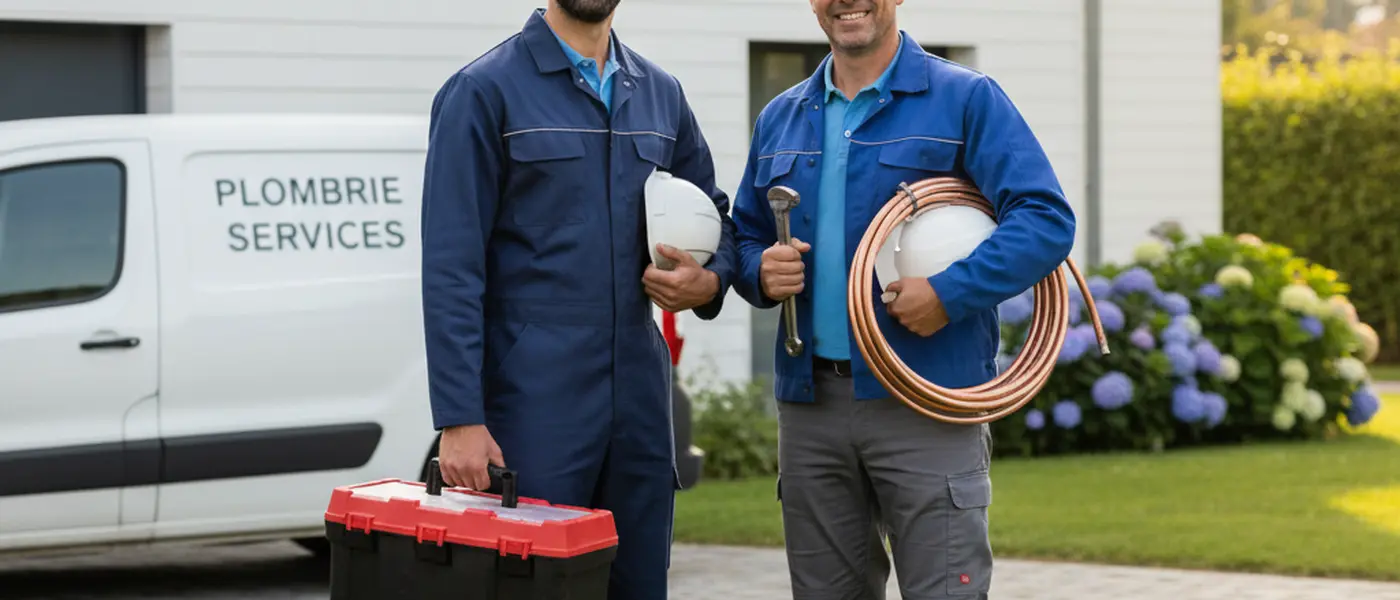
Plumbing services are professional trade services covering the installation, repair, and maintenance of water supply, drainage, and heating systems in residential and commercial properties. In the UK, the scope extends far beyond unblocking drains. A qualified plumber handles water supply systems, waste removal, central heating installation, gas boiler servicing (with a Gas Safe registration), bathroom fitting, and underfloor heating. The Chartered Institute of Plumbing and Heating Engineering (CIPHE) categorises the trade into domestic, commercial, and industrial plumbing — each requiring different qualifications.
For homeowners, the most frequently requested services include:
- Emergency leak repairs — burst pipes, overflowing cisterns, leaking radiator valves
- Boiler installation and servicing — legally requires Gas Safe registration (Gas Safe Register, 2024)
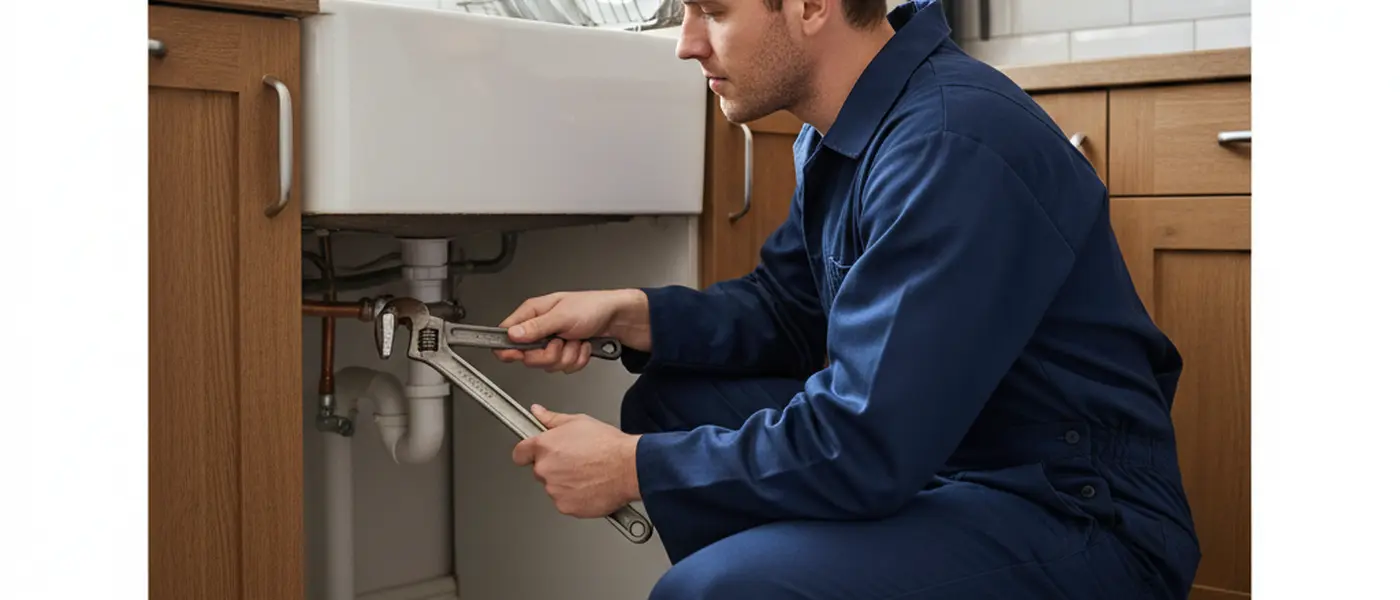
- Bathroom and kitchen plumbing — fitting taps, showers, waste traps, and appliance connections
- Central heating systems — radiator balancing, powerflush, zone valve replacement
- Drain clearance — blocked toilets, external drain jetting, CCTV drain surveys
Key point: Not every plumber covers every job. Boiler work demands Gas Safe certification, while general plumbing does not. Always confirm qualifications before booking.
How Much Do Plumbing Services Cost in the UK?
Plumbing costs vary by region, urgency, and complexity. The average UK hourly rate for a plumber sits between £40 and £80, with London rates reaching £90–£120 per hour [Checkatrade, 2025]. Emergency call-outs attract a premium, typically £100–£250 for the first hour.
Fixed-price quotes are standard for defined jobs like a boiler installation (£1,500–£3,500 including the unit) or a bathroom refit (£3,000–£8,000). Day rates range from £200 to £350 outside London. Always request an itemised written quote before work starts — verbal estimates carry no legal weight under UK consumer protection law.
How Can You Tell If a Plumber Is Properly Qualified?
The UK has no single mandatory licence for general plumbing, unlike electrical work. However, several credentials signal competence and accountability:
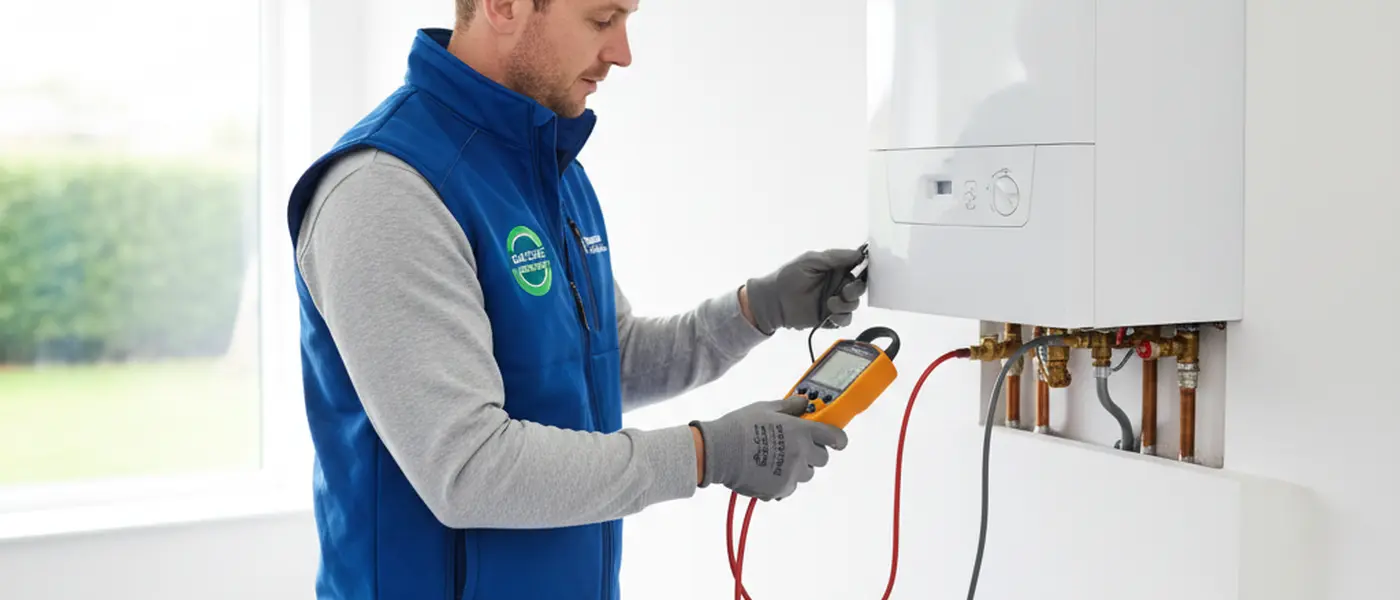
- Gas Safe registration — legally required for any work on gas appliances or pipework. Verify the engineer's card number at GasSafeRegister.co.uk.
- CIPHE membership — the Chartered Institute of Plumbing and Heating Engineering sets professional standards and requires ongoing development.
- NVQ Level 2 or 3 in Plumbing — the formal vocational qualification, often obtained through an apprenticeship or college programme.
- WaterSafe listing — an approved plumber scheme backed by UK water companies, confirming compliance with Water Supply (Water Fittings) Regulations 1999.
- Public liability insurance — a minimum of £2 million cover is industry standard. Ask to see the certificate.
"A Gas Safe card has an expiry date and a list of appliance categories the engineer can work on. Always check both — an expired card or missing category means the work is illegal."
— James Elton, CIPHE-registered plumber, 18 years' experience
Key takeaway: Membership in an accredited body does not guarantee quality, but it does give you a formal complaints route if something goes wrong. The WaterSafe approved plumber scheme and CIPHE both offer consumer dispute resolution.
What Should You Do in a Plumbing Emergency?
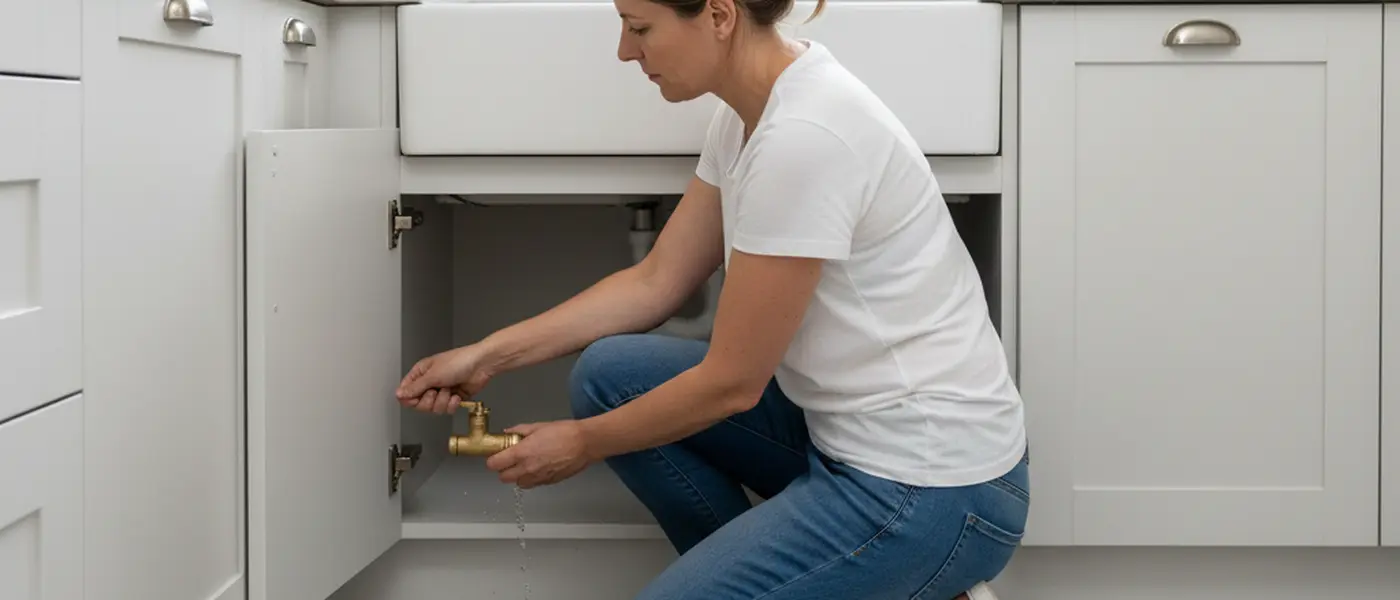
A burst pipe or major leak can cause thousands of pounds in water damage within hours. The Association of British Insurers (ABI) reports that escape-of-water claims average £7,000 per incident [ABI, 2024]. Quick action limits damage and cost.
Immediate Steps
- Turn off the water supply at the stopcock — usually under the kitchen sink or where the mains pipe enters the property.
- Switch off the heating system to prevent water circulating through a damaged pipe.
- Open taps downstream of the leak to drain residual water and reduce pressure.
- Contain the leak with towels, buckets, or a pipe clamp from a DIY store.
- Call an emergency plumber — confirm they charge a fixed call-out fee, not an open-ended hourly rate.
Finding an Emergency Plumber
Most reputable plumbing services offer 24/7 emergency lines. Before you need one, save the number of a local plumber you've already vetted. Emergency Google searches often surface high-fee national dispatch services rather than local tradespeople. Platforms like Expert Zoom connect you with vetted professionals and let you compare response times and reviews before committing.
How Do You Choose the Right Plumbing Service for Your Job?
Selecting plumbing services based on price alone often leads to callbacks, poor workmanship, or disputes. A structured vetting process takes 15 minutes and can save hundreds.
Pre-booking checklist:
- Get three quotes — compare like-for-like, including materials, labour, VAT, and waste removal.
- Check online reviews — look for patterns, not individual complaints. A plumber with 200 reviews and a 4.3 average is more reliable than one with five perfect scores.
- Ask about guarantees — reputable plumbing services offer 12-month workmanship guarantees as standard. Boiler installations often carry a 5–10 year manufacturer warranty.
- Confirm insurance — public liability covers accidental property damage; if a plumber doesn't carry it, you bear the risk.
- Request references — for jobs over £1,000, ask for a recent customer contact or photos of completed work.
For home improvement projects that involve multiple trades, a plumber who coordinates with electricians and tilers can save weeks of scheduling conflicts. Ask whether they work with a regular team.
Frequently Asked Questions About Plumbing Services
Do plumbers need to be registered in the UK?
General plumbing work does not require mandatory registration. However, any work involving gas appliances legally requires Gas Safe registration under the Gas Safety (Installation and Use) Regulations 1998. The WaterSafe scheme is voluntary but recommended for mains water system work.
Can I do my own plumbing legally?
Homeowners can perform most non-gas plumbing tasks themselves, including fitting taps, replacing toilet cistern parts, and clearing blockages. Building regulations apply to bathroom installations that change soil pipe routing or add new drainage connections — a building control sign-off may be required [HM Government, Approved Document H].
How quickly can an emergency plumber arrive?
Most UK emergency plumbing services promise arrival within 1–2 hours in urban areas. Rural response times extend to 2–4 hours. National dispatch services may be faster but typically charge higher call-out fees (£150–£300 vs £100–£150 for local firms).
What's the difference between a plumber and a heating engineer?
A plumber works with water supply and waste systems. A heating engineer specialises in central heating, boilers, and gas work. Many professionals hold qualifications in both. For boiler servicing or installation, you specifically need a Gas Safe–registered heating engineer, not just a general plumber.
Disclaimer: The information on this page is provided for general guidance only and does not constitute professional trade advice. For specific plumbing issues, consult a qualified plumber or heating engineer. Costs quoted are indicative averages and vary by region, job complexity, and market conditions.