 Michael Young
A powerful late-season winter storm that swept through the Sierra Nevada on April 12, 2026, dumped up to five feet of snow and triggered 90 mph wind gusts — a jarring reminder that severe weather season is not over in North America. For Canadians, the timing is a wake-up call: spring storms can strike without warning, and knowing how to assess your home for damage could mean the difference between a quick repair and a major insurance claim.
The Sierra Nevada Storm: What Happened and Why It Matters for Canadians
The storm closed Interstate 80 at Donner Pass, knocked out power across wide swaths of the region, and toppled trees across residential areas. Wind gusts above 80 mph tore shingles from roofs and bent eavestroughs beyond repair. While the hardest-hit areas were in California, similar late-season conditions have struck Atlantic Canada, Ontario, and British Columbia in recent years — and meteorologists warn that climate-driven weather volatility is increasing the frequency of severe spring storms in Canada.
According to Public Safety Canada, natural disasters including storms cause hundreds of millions of dollars in damage to Canadian homes annually. Federal and provincial disaster financial assistance programs exist precisely for these events, but accessing them begins with one step most homeowners skip: a proper damage assessment.
The Post-Storm Checklist Every Canadian Homeowner Needs
If your home has been through a storm — high winds, heavy snow, freezing rain, or hail — here is what to inspect, in order of urgency:
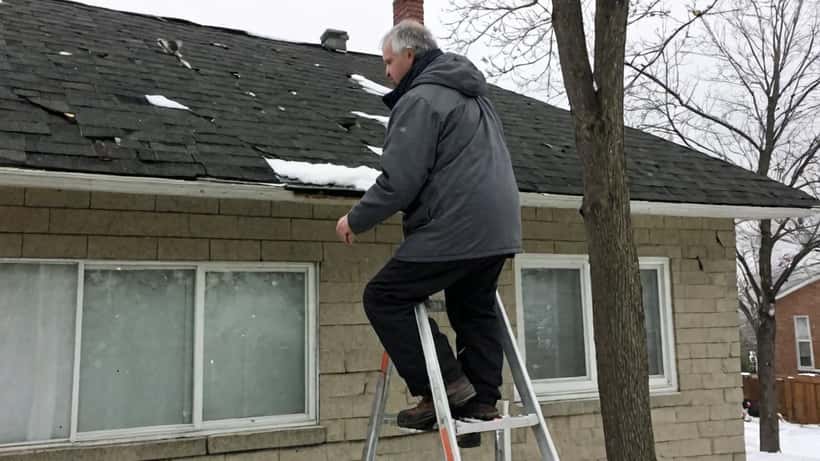
1. Roof and eavestroughs. Loose, cracked, or missing shingles are the most common storm damage, and the hardest for a homeowner to spot safely. Look from the ground for dark patches, lifted edges, or bare sections. Clogged eavestroughs full of debris are a second priority — blocked drainage causes ice dams and interior water infiltration.
2. Windows, doors, and frames. Wind drives water into even small gaps. Check rubber seals and weatherstripping. Cracked glazing may not be visible until you press a hand to the glass and feel cold air.
3. Siding and exterior walls. Vinyl and wood siding can crack, buckle, or separate after extreme cold or wind impact. Pay special attention to corners and areas around utility penetrations.
4. Foundation and basement. Rapid snowmelt combined with saturated ground is the leading cause of basement flooding in spring. Check window wells for standing water, inspect basement walls for new cracks or efflorescence (white mineral deposits indicating moisture intrusion), and verify that sump pump function is operational.
5. Structural elements. If a tree came down near your house, or if you noticed swaying, creaking, or unusual sounds during the storm, a structural inspection by a licensed professional is essential before dismissing a concern.
When a DIY Look Is Not Enough
A walk-around your property is a starting point, but it has limits. Roofs, attic spaces, and structural components require professional assessment — both for accuracy and for insurance purposes. Most home insurance policies require documented professional inspections to substantiate claims. A home improvement specialist can:
- Conduct a full attic inspection for hidden water infiltration and damaged insulation
- Assess structural integrity after wind loading events
- Provide written estimates that meet insurance adjuster standards
- Prioritize repairs to prevent secondary damage (a compromised roof left through another rain event becomes a far larger claim)
Homeowners in provinces with Disaster Recovery Assistance programs — including Ontario and British Columbia — should note that eligible repairs typically require professional documentation to qualify for government assistance.
Filing an Insurance Claim: The Clock Is Ticking
One of the most common mistakes after a storm is waiting too long to act. Most Canadian home insurance policies require notification within a reasonable time frame — typically 30 days — and some coverage conditions specify that "failure to mitigate" (prevent additional damage) can reduce or void a claim. This means covering broken windows, tarping a damaged roof, or addressing burst pipes promptly is both practical and legally important.
According to the Insurance Bureau of Canada, overland flooding and severe weather claims have increased significantly in recent years. Having an up-to-date home inventory (photos, receipts) and knowing your coverage limits before a storm hits is the single most effective preparation a homeowner can do.
Practical Steps to Take Right Now
The Sierra Nevada storm is a useful prompt for Canadian homeowners to act now, while the weather window is still open:
- Schedule a spring inspection. A pre-season roof and eavestrough check by a qualified tradesperson can identify vulnerabilities before a storm exploits them.
- Test your sump pump. Pour water into the pit to verify the float triggers correctly.
- Review your insurance policy. Confirm you have overland flooding coverage if you are in a flood-prone area — it is not included in standard policies and must be added separately.
- Document your home's current condition. Photographs taken today are evidence of pre-loss condition if a storm claim arises next month.
- Know your local assistance programs. The Public Safety Canada Disaster Financial Assistance Arrangements program provides federal cost-sharing to provinces and territories for large-scale disaster recovery.
The Expert Advantage
Spring is the busiest season for home repair professionals — roofing contractors, structural engineers, drainage specialists, and general handypeople book up quickly after a major storm event. Canadian homeowners who acted quickly after the February 2024 ice storms in Ontario, or after the 2022 derecho in Eastern Canada, consistently reported faster claim resolution and lower out-of-pocket costs than those who delayed.
If you are unsure whether your home sustained damage, or if you have spotted something concerning but cannot evaluate its severity, consulting a qualified home improvement specialist is the lowest-risk path forward. A professional assessment typically costs far less than the damage caused by a missed defect — and provides the documentation your insurer needs.
A late-season storm in California is a trending story because the images are dramatic. But the real story for Canadians is simpler: severe weather does not follow the calendar, and your home's resilience depends on what you do between storms.
Disclaimer: Home insurance coverage varies significantly by policy and province. Consult your insurer and a qualified professional for advice specific to your situation.
