 Chloé Dubois
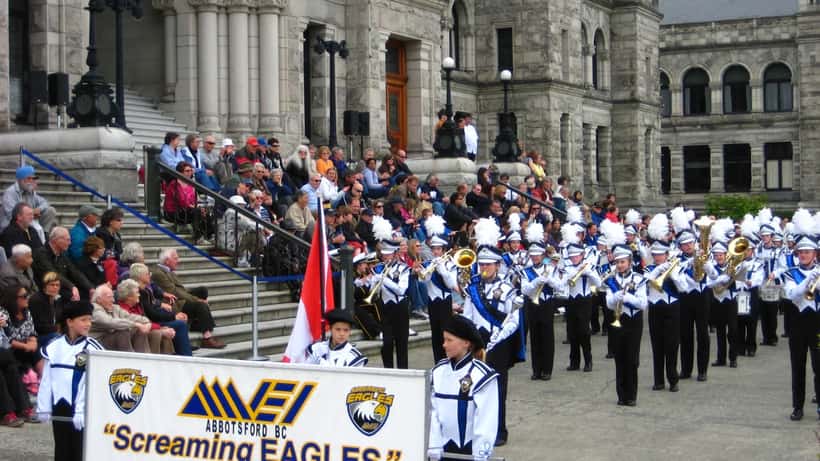
The Victoria Day Parade in Victoria, BC, celebrated its 126th anniversary on May 18, 2026 — but this year, the route was only 1.6 kilometres long. In previous years, the parade stretched four kilometres through downtown Victoria. The reason for the 60 percent reduction was straightforward: new provincial and city safety regulations introduced in the wake of the April 2025 Lapu-Lapu Day tragedy in Vancouver, combined with the significant financial cost of implementing those requirements.
For the thousands of Canadians who organize community events, street festivals, charity walks, and public celebrations each year, the shortened parade is more than a planning inconvenience. It is a signal that the legal and financial landscape for event organizers in Canada has changed — and that getting professional advice before your next permit application is more important than ever.
What Changed After the Lapu-Lapu Day Tragedy
On April 26, 2025, a vehicle-ramming attack at a block party following the Lapu-Lapu Day Festival in Vancouver killed 11 people and injured more than 32 others — the deadliest attack in Vancouver's history. The incident immediately prompted a joint review of outdoor special event planning by the City of Vancouver and the Vancouver Police Department.
A joint review released in September 2025 included eight recommendations centred on hostile vehicle mitigation, barrier deployment, and updated risk assessment protocols. Many of those changes have since been adopted by municipalities across British Columbia — and the effects are being felt by event organizers who are now facing higher compliance costs and more demanding permit conditions.
For the Victoria Day Parade, the new regulations made running the original four-kilometre route financially and logistically unfeasible. The 60 percent route reduction reflects a calculation that was largely about money: the cost of barriers, security personnel, and compliance infrastructure required by the updated framework.
Who Bears Liability When Something Goes Wrong?
Canadian courts have long recognized that event organizers have a duty of care toward participants and bystanders. Under British Columbia's Occupiers' Liability Act and equivalent legislation in other provinces, anyone who controls a space where a public event is held has legal obligations to keep that space reasonably safe.
For street festivals and parades, the duty of care question is particularly complex, because responsibility is often shared among:
- The event organizing committee or charity (in Victoria's case, the Greater Victoria Festival Society)
- The municipal government that issues the permit and controls the road
- Private security firms contracted to manage crowd safety
- Volunteer marshals supervising sections of the route
When something goes wrong — whether a crowd crush, a vehicle incident, or a slip-and-fall — establishing which party failed in their duty of care is the central question in any liability claim. The new post-Lapu-Lapu safety frameworks have created additional layers of responsibility, which paradoxically can increase the complexity of liability analysis even while they improve safety outcomes.
Event organizers who do not understand how these obligations are allocated in their specific permit agreement may find themselves personally exposed — even as volunteers.
The Cost of Safety Compliance: A Growing Challenge
The financial pressure that shortened Victoria's parade route is a reality for community organizations across Canada. New requirements for concrete barriers, hostile vehicle mitigation systems, and trained security personnel have increased the cost of running a permit event substantially since 2025.
For many non-profit organizations and community groups that traditionally relied on volunteer labour and municipal goodwill, these costs represent an existential challenge. The Thrifty Foods Victoria Day Parade — which raises funds for charity, including the Parkinson Wellness Group — set a fundraising goal of $100,000 for 2026, after raising $73,400 at the 2025 event. The increased cost burden from safety compliance is one reason the financial targets have grown.
Understanding how to structure sponsorship agreements, insurance requirements, and permit conditions to distribute these costs fairly — and to protect organizers from personal financial liability — is increasingly a job for a legal professional, not a volunteer committee.
Insurance and Permit Conditions: What Event Organizers Should Check
Most Canadian municipalities now require event organizers to carry commercial general liability insurance as a condition of their permit. Post-Lapu-Lapu, many jurisdictions have increased the minimum coverage thresholds and added specific requirements around vehicle barrier protocols.
Key items every Canadian event organizer should verify before their next event include:
- Insurance coverage limits: Is your policy minimum sufficient under current municipal requirements? Many older policies with $2 million limits are no longer adequate.
- Indemnification clauses: Does your permit agreement require you to indemnify the municipality if something goes wrong? This clause can transfer substantial liability to organizers.
- Subcontractor obligations: If you are hiring security firms, are their insurance certificates naming your organization as an additional insured?
- Permit conditions as legal obligations: Conditions attached to event permits can create enforceable legal duties. Failing to meet them — even unintentionally — can constitute negligence.
As legal rights at public events have come under greater scrutiny following a series of high-profile Canadian incidents, the importance of getting proper legal counsel before finalizing an event plan has never been clearer.
Taking Action Before Your Next Event
The Victoria Day Parade's shortened route is a visible consequence of a policy shift that is reshaping how all public events operate in Canada. The new requirements are not temporary: they reflect a permanent elevation in the standard of care that municipalities and provincial governments expect from anyone organizing a public gathering.
Whether you are planning a neighbourhood street festival, a charity walk, a concert, or a community parade, working with a lawyer who understands event liability and municipal permitting before you submit your application is the most effective way to protect yourself, your organization, and your volunteers.
Connect with a qualified legal professional through ExpertZoom to review your event contracts, permit conditions, and insurance coverage before your next public event.
This article provides general legal information for educational purposes and does not constitute legal advice. Consult a qualified lawyer for guidance specific to your province and situation.
