 Elara Deschamps
Vancouver's 7 World Cup Matches Begin June 13 — and Outdoor Health Risks Are Real
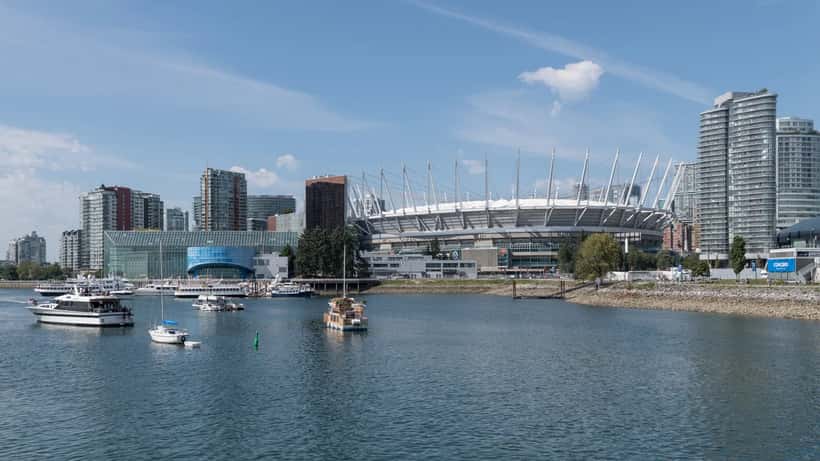
Vancouver officially kicks off its FIFA World Cup 2026 hosting duties on June 13, 2026, with BC Place welcoming teams from around the globe over the next 24 days. Seven matches are scheduled through July 7, including two Canada home games — against Qatar on June 18 and Switzerland on June 24. With hundreds of thousands of fans descending on the city, many from colder or very different climates, heat and sun safety is an underappreciated but serious concern for this summer event.
BC Place Is Air-Conditioned — But That's Only Part of the Fan Experience
BC Place is one of just four FIFA World Cup 2026 stadiums equipped with a retractable roof and full climate control, making the in-stadium experience far more comfortable than open-air venues in Dallas, Miami, or Mexico City. But the 69,000-seat venue's interior temperature is only one part of the fan journey.
The Greater Vancouver area can reach UV Index levels of 7 to 9 during June and July — classified as "High" to "Very High" by Environment and Climate Change Canada. Fans travelling to the stadium on game days typically walk several kilometres to and from transit hubs, queue outdoors for security screening, and spend hours in public plazas, fan zones, and outdoor watch parties before and after each match.
That combination — prolonged outdoor exposure, physical exertion, excitement-fuelled adrenaline, and possible alcohol consumption — creates real conditions for heat-related illness, even in a city known for mild weather.
Who Is Most at Risk at Summer Stadium Events?
Health professionals flag certain groups as especially vulnerable during large outdoor sports events:
- Visitors from colder climates: Fans flying in from northern Europe or higher-altitude regions may be unaccustomed to sustained UV exposure and moderate summer heat.
- Older adults and children: Both groups regulate body temperature less efficiently than healthy adults.
- Fans with cardiovascular or kidney conditions: Heat places added strain on the heart and kidneys, even at temperatures that appear mild on a thermometer.
- Anyone dehydrated before arrival: Long-haul flights, alcohol on travel days, or skipping breakfast can leave fans dehydrated before the first cheer.
FIFA has institutionalized mandatory hydration breaks — three-minute pauses at the midpoint of each half — for all 2026 World Cup matches. But that protocol protects the players. Fan hydration is entirely up to you.
If you are also planning travel to other World Cup host cities, the health stakes are considerably higher. Earlier this year, medical advisories were issued around extreme heat risks for fans attending matches in Guadalajara and other Mexican venues, where temperatures routinely exceed 35°C during afternoon kick-offs.
Recognizing Heat Exhaustion Before It Becomes Heat Stroke
Heat-related illness exists on a spectrum. Catching it early is the difference between a 20-minute rest in the shade and an emergency room visit.
Heat exhaustion symptoms — manageable with prompt action:
- Heavy sweating and cool, pale, clammy skin
- Nausea or dizziness
- Headache or muscle cramps
- Fatigue and weakness
- Rapid, weak pulse
Heat stroke warning signs — call 911 immediately:
- Hot, red skin with little or no sweating
- Very high body temperature (above 39.4°C)
- Confusion, slurred speech, or loss of consciousness
- Rapid, strong pulse
The critical distinction: if someone stops sweating in hot conditions and becomes confused or unresponsive, that is a medical emergency. Do not wait for symptoms to pass.
What to Do If You or a Fellow Fan Shows Symptoms
If you suspect heat exhaustion in yourself or someone nearby on a Vancouver game day:
- Move to shade or an air-conditioned space immediately — BC Place has medical stations staffed by event paramedics inside the venue.
- Loosen clothing and apply cool, wet cloths to the neck, armpits, and groin.
- Hydrate slowly with water or an electrolyte drink — avoid gulping large amounts at once.
- Rest horizontally with legs elevated if possible.
If symptoms do not improve within 15 minutes of cooling measures, or if any heat stroke warning signs appear, call 911 or go directly to the nearest stadium medical station. Vancouver General Hospital is located 4 kilometres from BC Place.
Prevention: What Doctors Recommend Before Game Day
A physician's guidance before attending a large outdoor summer event in Canada:
- Drink at least 500 mL of water before leaving your accommodation, regardless of whether you feel thirsty. Thirst is a late-stage indicator of dehydration.
- Apply SPF 30+ broad-spectrum sunscreen at least 30 minutes before going outdoors, and reapply every two hours. Vancouver's marine-layer clouds do not block UV radiation.
- Wear light-coloured, loose-fitting, moisture-wicking clothing and a wide-brimmed hat or cap for outdoor queuing.
- Know your medications: Antihistamines, diuretics, beta-blockers, and certain antidepressants can impair the body's heat regulation. If you take any of these, consult a doctor before spending extended time outdoors in summer conditions.
Health Canada's sun safety guidelines recommend that everyone — regardless of skin type — take protective measures when the UV Index exceeds 3. During Vancouver's World Cup window, it will exceed 3 most days.
When a Doctor Consultation Is the Right Call
Several situations warrant speaking with a health professional either before or after attending World Cup matches in Vancouver:
- Before attending: You have a heart condition, kidney disease, diabetes, or take medications that affect heat tolerance.
- After the event: You experienced dizziness, fainting, or extreme fatigue that resolved but left you feeling unwell the following day.
- For children or elderly relatives: Any unusual lethargy, reduced urination, or disorientation after prolonged outdoor summer activity.
An online health consultation with a licensed Canadian physician through Expert Zoom allows you to assess your specific risk factors and get personalized guidance — without waiting days for an in-person appointment.
This article provides general health information only and does not replace professional medical advice. In a medical emergency, call 911.
