 Robert Miller
Toronto's heavy rainfall events are becoming more intense, and homeowners across the GTA are discovering that a single storm can turn a dry basement into a costly remediation project. In 2026, municipal data and insurance adjusters report a sharp uptick in calls related to sewer backup, foundation seepage, and overwhelmed sump pumps after major rainstorms. For many residents, the question is no longer whether their basement will flood, but what to do first when water starts pooling on the floor.
The immediate aftermath of a basement flood is stressful. Water damage spreads quickly through drywall, flooring, insulation, and personal belongings. Homeowners who act within the first 24 to 48 hours can often limit the total damage and reduce the risk of mold growth. The first step is safety: turn off electricity to affected areas if water has reached outlets, appliances, or electrical panels. Do not enter standing water until a licensed electrician or utility representative confirms it is safe.
Once the area is safe, documentation becomes the most important task. Photograph and video every wet surface, damaged item, and visible water line before moving anything. This evidence supports both insurance claims and any future dispute with a landlord, contractor, or municipality. Homeowners should also keep receipts for emergency supplies such as wet-dry vacuums, fans, dehumidifiers, and temporary lodging if the home becomes uninhabitable.
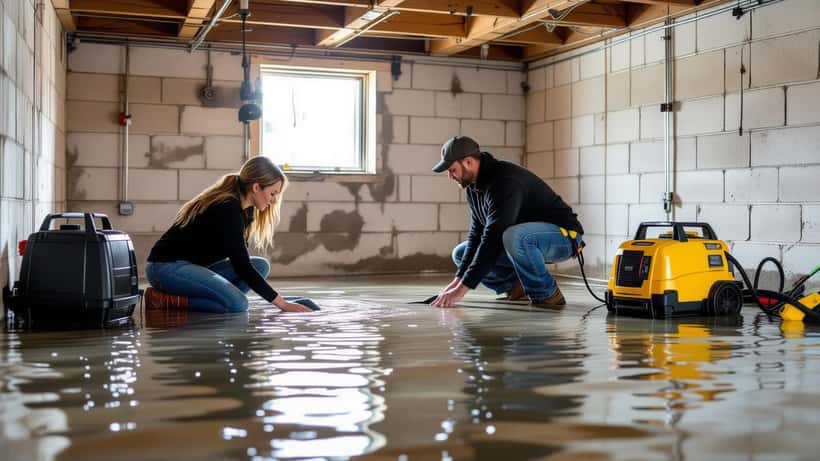
Removing standing water quickly is critical. A submersible pump or wet-dry vacuum can clear most of the water, but large-scale flooding usually requires professional water removal services. Industrial dehumidifiers and air movers then dry the space over several days. Simply opening windows is rarely enough in Toronto's humid summer climate, and incomplete drying almost guarantees mold behind walls and under flooring.
Mold can begin to develop within 24 to 72 hours of water exposure. Remediation specialists typically remove porous materials such as carpet, baseboards, and lower sections of drywall that have absorbed contaminated water. Non-porous surfaces can often be cleaned with antimicrobial treatments, but any material that stays wet will continue to harbor spores. A professional mold assessment is recommended when the flooded area exceeds a few square feet or when occupants have allergies, asthma, or weakened immune systems.
One of the most confusing parts of basement flooding is determining who pays for the damage. Home insurance policies in Canada usually cover sudden and accidental water damage, but coverage for sewer backup or overland flooding often requires separate endorsements. After the 2013 GTA flood and subsequent severe weather events, many insurers tightened terms and introduced sub-limits for basement water damage. Homeowners should review their policy annually to confirm whether sewer backup, overland water, and groundwater seepage are included.
If the flood originated from a municipal sewer or storm drain, the city may bear some liability, but proving negligence is difficult. Homeowners can file a claim with the municipality, but deadlines are strict and documentation requirements are high. In many cases, a lawyer experienced in property insurance or municipal liability can help evaluate whether the city failed to maintain infrastructure such as catch basins, storm sewers, or drainage easements.
Preventive measures are the best long-term defense. Exterior grading should slope away from the foundation so rainwater drains naturally. Downspouts should discharge at least two meters from the house, and eavestroughs should be cleaned twice a year. A backwater valve can prevent sewage from flowing backward into the basement during sewer surcharges, and many municipalities offer subsidy programs to offset the installation cost.
Inside the home, a properly sized sump pump with battery backup is essential for homes with a history of water intrusion. Battery backups are especially important because severe storms often cause power outages at the same time basements are most at risk. Water alarms and smart leak detectors can also alert homeowners to problems before they become major floods.
For Toronto residents living in older homes, foundation integrity is another key concern. Cracks in basement walls and floors create entry points for groundwater during prolonged rain. A structural engineer or foundation specialist can assess whether cracks are cosmetic or signs of hydrostatic pressure that requires waterproofing, weeping tile repair, or exterior excavation.
The 2026 rainy season has also highlighted the value of expert consultation when damage occurs. General contractors, restoration companies, insurance brokers, and real estate lawyers each play different roles, and homeowners often need help coordinating them. A home improvement consultant or project manager can provide an independent assessment of contractor quotes, scope of work, and timelines. This is especially useful when insurers recommend preferred vendors but homeowners want a second opinion.
Real estate implications should not be ignored. A basement with a history of flooding must be disclosed when the property is sold, and unresolved moisture issues can reduce market value. Buyers in flood-prone Toronto neighborhoods should ask sellers for documentation of previous floods, repairs, and any waterproofing upgrades. A pre-purchase home inspection that includes moisture mapping and foundation review can reveal hidden risks.
Climate projections for southern Ontario suggest that heavy rainfall events will continue to increase in frequency and intensity. Municipal infrastructure upgrades are underway in many neighborhoods, but individual homeowners remain the first line of defense. Proactive maintenance, appropriate insurance coverage, and rapid response after a flood are the three pillars of protecting both property value and family health.
When Toronto's next major storm arrives, residents who have already installed backwater valves, tested sump pumps, and understood their insurance policies will be in a far better position. For those caught off guard, the priority is safety, documentation, fast water removal, and professional remediation. Getting the right expert advice early can mean the difference between a fully restored basement and a recurring mold problem that drags on for years.
