 Emilie Wang
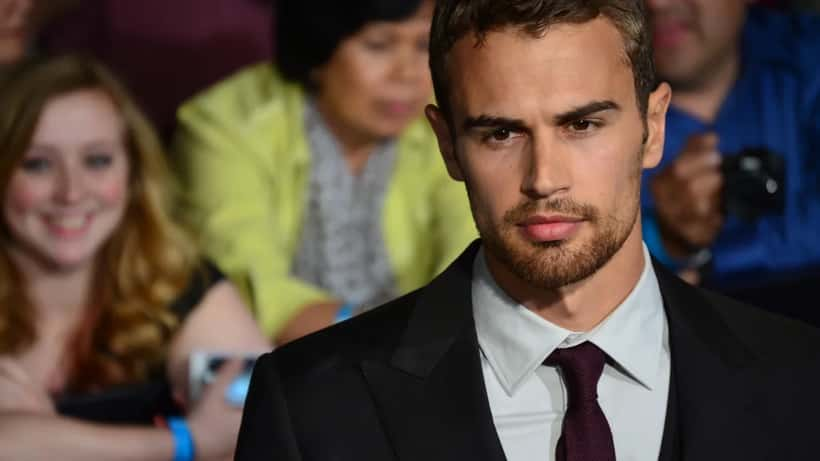
The September 1, 2026 announcement that Theo James — the British actor best known for The White Lotus and The Gentlemen — has joined Gant as a global brand ambassador sent ripples through fashion and entertainment circles. Shot at a Tribeca, New York location and released simultaneously across digital, social, retail, and out-of-home channels worldwide, the Autumn/Winter 2026 campaign marks a significant moment in celebrity endorsement strategy. But for Canadian talent professionals, influencers, and businesses exploring brand partnerships, the more interesting story is what happens behind the scenes: the legal architecture that governs deals like this one.
What Goes Into a Global Brand Ambassador Agreement
Celebrity endorsement deals at Theo James's level involve months of negotiation between legal teams on both sides. A global ambassador agreement typically spans at least five core provisions.
The first is the scope of deliverables: what the talent will create, when, and to what specifications. For the Gant campaign, this likely included attendance at the Tribeca shoot, approval rights over final imagery, and obligations around social media posts. The second is territory rights — where the brand can use the content and whether that usage includes Canada. The third is exclusivity, which defines what product categories the talent cannot represent for competing brands during the contract period. The fourth is image rights: how long the brand can use the ambassador's likeness, in what formats, and at what cost if usage exceeds the agreed scope. The fifth is termination: what triggers end the deal, and what each party owes the other when it ends.
For Canadian talent — whether a regional spokesperson for a financial services company, a nationally recognized fitness creator, or a professional athlete approached by a lifestyle brand — these five provisions apply equally, even when the deal is worth $20,000 rather than $2 million.
The Canadian Legal Framework for Endorsement Agreements
Canada does not have a single federal statute governing brand ambassador contracts. Instead, endorsement deals involving Canadian residents or businesses draw from overlapping legal frameworks: provincial contract law, the federal Competition Act, and income tax legislation administered by the Canada Revenue Agency.
Under the Competition Act, endorsements and testimonials must accurately reflect the endorser's genuine opinion and experience. Section 74.01 of the Act prohibits false or misleading representations in the course of promoting a business or product. If a brand ambassador endorses a product they have never used, both parties may face enforcement action from the Competition Bureau of Canada. The same applies when the brand makes unsubstantiated performance claims through the ambassador.
The Competition Bureau has authority to impose administrative monetary penalties of up to $10 million against corporations found in violation of the Act's deceptive marketing provisions. Critically, many brand ambassador contracts now include indemnification clauses that require the talent to cover the brand's legal costs if the talent's statements generate regulatory exposure. Signing without understanding that clause can result in personal financial liability that dwarfs the contract's original value.
Advertising Standards Canada, the industry's self-regulatory body, also publishes guidelines on influencer marketing and celebrity endorsements. While not legally binding, these guidelines are increasingly treated as the baseline for professional conduct in Canadian marketing. Courts have referenced them in disputes over branded content disclosures.
How Endorsement Income Is Taxed in Canada
For most Canadian talent working as independent contractors, the Canada Revenue Agency classifies brand ambassador payments as business income — not employment income. This distinction has immediate practical consequences.
Business income must be reported on Form T2125 (Statement of Business or Professional Activities). It is subject to self-employment tax obligations, including CPP contributions on net earnings above $3,500. Talent must also register for GST/HST once annual taxable supplies exceed $30,000 — a threshold easily crossed mid-contract by creators with multiple active deals.
The structure through which a talent receives endorsement income matters significantly. A talent earning $80,000 in endorsement income in Ontario can achieve a tax deferral of $15,000 to $25,000 by routing income through a Canadian-Controlled Private Corporation (CCPC) rather than receiving it personally. That structure, however, must be in place before payment is issued. It cannot be applied retroactively without CRA risk.
For the CRA's official guidance on the business income versus employment income distinction — including the factors that determine which classification applies — see the Canada Revenue Agency's business income guidance.
When an Exclusivity Clause Backfires: A Canadian Scenario
Consider the following situation, which reflects the kind of dispute Canadian entertainment and marketing lawyers regularly encounter in 2026.
A Canadian lifestyle creator with 95,000 Instagram followers signs a 12-month brand ambassador agreement with a premium menswear label in February 2026. The deal is worth $60,000, paid in two equal instalments of $30,000 — one at signing, one at the six-month mark. The exclusivity clause states that the creator cannot represent "any brand in the apparel, footwear, or lifestyle space" for the agreement's duration.
In May 2026, a Canadian outdoor gear company approaches the creator with an $18,000 summer campaign offer. They reason that outdoor adventure gear is distinct from fashion. They accept. The menswear label's legal team disagrees, citing the broad "lifestyle space" definition, and terminates the contract in June 2026. They demand repayment of the first instalment.
If/then: if the exclusivity clause reads as broadly as written, the creator's position is legally exposed. They have already paid their agent's 15% commission on the first instalment ($4,500), invested approximately $4,200 in professional photography for the contract's deliverables, and cannot recoup the outdoor gear income already earned. The claw-back demand for $30,000 means their combined net financial position is negative $20,700 — before any legal fees.
A contract lawyer reviewing the agreement before signing — a process that typically costs $1,800 to $3,500 depending on complexity — would have identified the clause's breadth. They would have negotiated either a narrower category definition (e.g., "premium menswear and fashion accessories") or a formal schedule of permitted collaborations. That one conversation would have protected the creator's ability to work with the outdoor gear brand without triggering a breach.
ExpertZoom connects Canadian talent, influencers, and businesses with contract lawyers who specialize in entertainment, media, and brand partnership agreements. For additional context on how professional-level agreements are structured in Canada, reviewing Canadian actor contract negotiations in 2026 provides a useful benchmark.
Five Steps Before You Sign an Endorsement Deal
Whether you are a social media creator, a regional spokesperson, a professional athlete, or a small business entering a promotional partnership, the process before signing is the same.
Get independent legal review. Do not rely on the brand's template or their lawyer's explanation of the terms. A one-hour consultation with a contract lawyer will surface ambiguities that standard templates are written to leave in the brand's favour.
Clarify territory and image usage rights explicitly. Understand exactly where the brand intends to use your likeness, for how long, and in what formats. A Canadian campaign that expands to global channels without additional compensation is a common point of dispute.
Define the exclusivity scope in writing. Vague language like "similar brands" or "the same space" creates disputes. Negotiate a specific list of permitted and prohibited categories and attach it as a signed schedule to the contract.
Structure your income before you accept payment. A tax professional can advise on whether receiving endorsement income personally or through a corporation is more advantageous for your income level and province. This decision cannot be reversed once payment is received.
Include a termination clause with payment provisions. If the brand cancels, is acquired, or discontinues the product you are promoting, a well-drafted termination clause ensures you receive compensation for work already performed and obligations already undertaken.
Disclaimer: The information in this article is for general informational purposes only and does not constitute legal or financial advice. Brand ambassador agreements involve complex legal, tax, and regulatory considerations that vary by province and individual circumstances. Consult a qualified lawyer and accountant before signing any endorsement contract.
