 Emilie Wang
Tapis Rouge Season in Canada: 3 Celebrity Image Rights Every Artist Must Understand in 2026
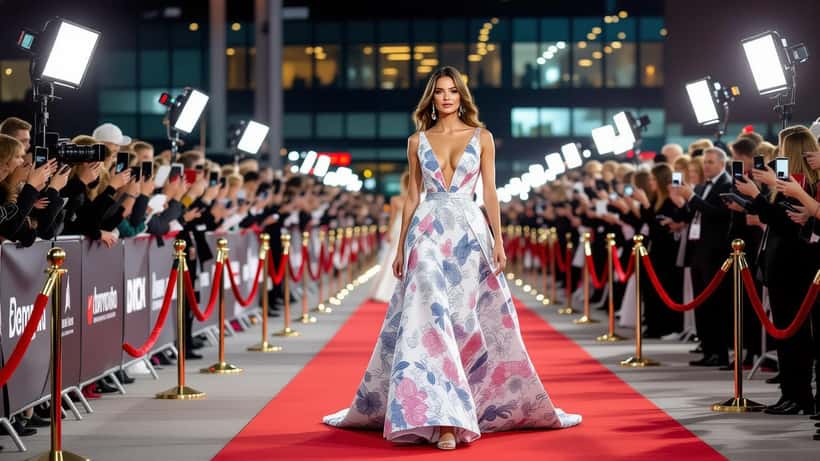
On May 31, 2026, Canada's biggest entertainment night unfolded on the red carpet of the Canadian Screen Awards in Toronto. Mike Myers accepted an Academy Icon Award. Hudson Williams, Mae Martin, and Anna Lambe — who wore a vintage Pat McDonagh gown from Toronto's Nouveau Riche boutique — made headlines in fashion and entertainment media. Cameras captured every look, every moment, and every arrival. Within hours, those images circulated across news platforms, social media feeds, and entertainment blogs worldwide.
What most of those celebrities — and many rising Canadian artists — do not fully understand is this: under Canadian law, the person photographed on a red carpet has far fewer rights over those images than most people assume.
The Copyright Act and the Photographer's Advantage
Canada's Copyright Act is clear on one foundational point: the person who creates a work typically owns it. For photographs taken at a public event like the 2026 Canadian Screen Awards, that means the photographer — not the subject — holds the copyright in the image.
A media outlet's photographer who captures a celebrity's arrival on the tapis rouge can license that image to other publications, sell it to stock agencies, or syndicate it globally. The celebrity in the photo has no automatic legal right to prevent that use, restrict distribution, or claim a share of licensing revenue — unless their appearance agreement specifically negotiated those rights in advance.
This is not an obscure loophole. It is the default position under Canadian copyright law, and it has significant practical consequences for any public figure who relies on their image as a professional asset.
Personality Rights: The Tort Most Canadian Artists Don't Know About
Where celebrities do gain some legal protection is through the doctrine of appropriation of personality — a common law tort recognized by Canadian courts since the 1970 Ontario case Athans v. Canadian Adventure Camps.
The principle: you cannot use a person's name, image, voice, or likeness for commercial purposes without their consent. This applies to celebrities and, in some circumstances, to well-known non-celebrity individuals whose identity carries commercial value.
In Quebec, the protection is codified directly in the Civil Code. Article 3 of the Civil Code of Quebec explicitly recognizes the right to one's image as a fundamental personality right, giving Quebec residents among the strongest image protections in the country.
What "commercial use" means in practice:
- A beverage company using a celebrity's red carpet photo in a digital advertisement without permission: actionable
- A fashion brand posting a celebrity's arrived look on its Instagram to imply endorsement: actionable
- A news outlet publishing the same photo in a story about the awards ceremony: generally protected under editorial use
The distinction between editorial and commercial use is the central legal dividing line — and it is frequently misunderstood by both brands and the public figures they photograph.
Three Situations Where Image Rights Break Down at the Tapis Rouge
1. Brand social media posts. When a company shares a red carpet photo on its Instagram or X account to ride the cultural moment, the line between editorial commentary and commercial promotion is often blurred. If the post promotes the brand — even indirectly — the celebrity may have grounds to demand the image be removed or compensation be negotiated.
2. Stock agency licensing. A photographer who shoots a celebrity at a public event can upload those images to a stock licensing platform. Other companies can then purchase them for use in marketing, editorial content, or advertising — potentially without the celebrity's knowledge. Appearance contracts at major Canadian events increasingly include clauses restricting such downstream licensing, but these provisions are not universal.
3. Unflattering or out-of-context use. Canadian courts have recognized that using a person's image in a way that is defamatory, places them in a false light, or is used in a context that the person would find objectionable may give rise to privacy or defamation claims, even where the original photograph was taken legally. This is particularly relevant for celebrities whose image is tied directly to their professional brand.
What Canadian Fashion Designers Should Know About Dressing Stars
The 2026 Canadian Screen Awards generated significant coverage for Canadian independent designers, with Anna Lambe's Pat McDonagh gown becoming one of the event's most-photographed looks. For designers, this kind of organic red carpet exposure is valuable — but it also raises questions about intellectual property.
In Canada, fashion designs receive limited copyright protection. The silhouette or cut of a garment is generally not protectable. However, specific textile patterns, embroidered motifs, and logo elements may qualify for copyright or trademark protection. A celebrity wearing a design does not transfer any rights in that design to the wearer, nor does the designer acquire rights in the celebrity's image simply by dressing them.
For high-profile dressing partnerships, written agreements clarifying mutual image rights — who can use photos of the look, under what circumstances, and in which territories — protect both the designer's brand and the celebrity's personal rights.
Before Your Next Red Carpet Appearance: What a Lawyer Can Help You Secure
For emerging Canadian artists, public figures, and anyone whose image carries professional value, a consultation with an entertainment lawyer before a major public appearance is no longer a luxury — it is a practical protective measure.
A qualified entertainment lawyer can:
- Review or draft appearance agreements to include image rights clauses
- Advise on whether a specific commercial use of your image without consent is actionable under Canadian law
- Help you understand how Quebec's Civil Code protections apply if you work across provincial lines
- Negotiate licensing terms with media outlets or brands seeking to use your image from a public event
Canada's tapis rouge season brings Canadian talent to the world's attention. Making sure your image rights are protected before you step in front of those cameras is the part that happens off-camera — and it may be the most important step of all.
Expert Zoom connects Canadian artists, performers, and public figures with experienced entertainment and media lawyers across the country.
This article provides general information about Canadian image and personality rights law. It does not constitute legal advice. Consult a qualified entertainment lawyer for guidance specific to your situation.
External reference: Canada's Copyright Act — Justice Laws Website
