 Eliza Perron
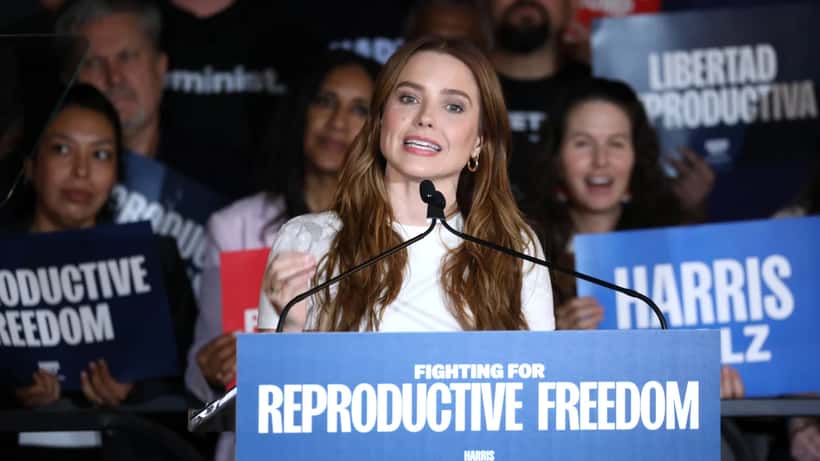
Sophia Bush appeared on The View on June 11, 2026, speaking openly about life as a "bonus mum" to Ashlyn Harris's two children, Sloane and Ocean. The One Tree Hill star and Chicago PD actress has been dating retired soccer player Harris since 2023 and has stepped naturally into a co-parenting role alongside Harris's ex-wife, fellow soccer legend Ali Krieger. The family's dynamic — three parents, two kids, and a lot of intentional respect — has resonated widely online and raised a question that thousands of Canadian families are quietly asking: what legal rights do you actually have as a step-parent, or "bonus parent," in Canada?
The answer is more nuanced than most people expect — and more consequential than most people realize.
What "Bonus Parent" Means in Canadian Law
Canadian family law does not use the term "bonus parent," but it does have a formal concept that captures the role: a "person who stands in the place of a parent," sometimes called a loco parentis figure.
Under the Divorce Act and the Federal Child Support Guidelines (SOR/97-175), a person who has lived with a child and treated them as their own child — even without a biological or adoptive connection — can acquire legal obligations and, in some circumstances, legal rights. According to Justice Canada's family law guidance, courts consider the nature and length of the relationship, the degree to which the step-parent has assumed a parental role, and whether the biological parent has abdicated their own responsibilities.
In practical terms, this means that a Canadian step-parent who has lived with a partner's children for several years, paid for their expenses, and acted as a day-to-day parent may be legally required to pay child support if the relationship ends — regardless of whether they were ever formally recognized as a parent.
Rights Versus Obligations: The Asymmetry That Surprises Most Canadians
Here is where the legal picture gets complicated for many blended families. Canadian law tends to impose obligations on step-parents more readily than it grants them rights.
What you may be obligated to do:
- Pay child support after a relationship ends, if a court finds you stood in the place of a parent.
- Contribute to a child's education or medical expenses if you were the primary financial provider.
- Cooperate with parenting arrangements ordered by a court.
What you are NOT automatically entitled to:
- Decision-making authority over the child's education, health care, or travel.
- The right to be listed as an emergency contact at schools or hospitals without the biological parent's consent.
- Parenting time after separation, unless a court specifically grants it based on the best interests of the child.
Step-parents who want formal legal standing — the ability to consent to a child's medical treatment, for example, or to travel internationally with the child without a letter from the biological parents — typically need to seek a court order or enter a formal parenting agreement signed by all parties.
LGBTQ+ Families and Canadian Family Law in 2026
Canada has recognized same-sex marriage since 2005, and Canadian family law applies equally to LGBTQ+ families. But modern family structures — like the one Sophia Bush, Ashlyn Harris, and Ali Krieger have built — are still navigating legal frameworks that were designed for simpler arrangements.
In many Canadian provinces, a child can have more than two legal parents under recent legislative reforms. British Columbia, Ontario, and Alberta have amended their family law statutes to allow for recognition of three or more legal parents in specific circumstances, particularly when all parties consent at or before the child's birth through a registered donor or surrogacy agreement.
However, where children were born in a prior relationship and a new partner later steps in as a bonus parent, the path to formal legal recognition is less automatic. A family lawyer can advise on options including:
- Parenting agreements — a legally documented arrangement between all adults involved (including the other biological parent) that sets out each person's role, responsibilities, and rights.
- Adoption — in some cases, a step-parent may apply to formally adopt a partner's children, which grants full legal parental status.
- Section 21 applications under the Children's Law Reform Act (Ontario) — step-parents and others with a demonstrated parental role may apply for decision-making responsibility or parenting time.
The specific options available depend on the province, the existing parenting orders, and the willingness of all parties to cooperate.
When Things Go Wrong: Protection Before a Separation
The Sophia Bush/Ashlyn Harris/Ali Krieger co-parenting model is widely described as collaborative and supportive. But not all blended families have that foundation, and the time to clarify legal rights is before a relationship ends — not after.
Canadian family law experts consistently advise step-parents to take the following steps:
1. Formalize your role in writing. If you are co-parenting without a written agreement, you have no documented legal standing. A simple co-parenting agreement, drafted with a family lawyer and signed by all adults involved, can establish your responsibilities and create a paper trail that courts will respect.
2. Update authorization documents. Hospitals and schools operate on formal authorization. If you want to consent to medical treatment or pick up a child in an emergency without the biological parent present, you need written authorization. This is particularly relevant for LGBTQ+ families where one parent is not biologically related to the child.
3. Understand your province's specific rules. Family law in Canada is largely provincial. The rules that apply in Quebec are different from those in Ontario, BC, or Alberta. A lawyer licensed in your province is the only reliable guide.
4. Review your will. If you want to provide for step-children in the event of your death, your will must specifically name them. Step-children have no automatic inheritance rights under Canadian law.
How a Family Lawyer Can Help
The conversation Sophia Bush sparked on The View is one many Canadians are having privately, often without knowing where to turn. Canadian family law around blended and LGBTQ+ families has evolved considerably in recent years, and the Justice Canada family law guidance is a useful starting point — but it cannot replace jurisdiction-specific legal advice.
A family law expert on ExpertZoom can help bonus parents understand their specific rights and obligations, draft co-parenting agreements, review existing court orders for gaps, and advise on whether formal adoption or a parenting order would better serve the family's needs.
Bonus parents like Sophia Bush are shaping a new cultural norm around what family looks like. Canadian law is slowly catching up. In the meantime, a 30-minute consultation with a qualified family lawyer can prevent years of uncertainty — and help you protect the family you've already built.
Note: This article provides general legal information only. For advice specific to your situation, consult a licensed family law lawyer in your province.
