 Eleanor Dubois
Spring Snow Storms Batter Canada's Prairies: What Homeowners Must Know About Insurance Claims in 2026
Canada's Prairies were hammered by back-to-back blizzards in April 2026, leaving tens of thousands of homeowners scrambling to assess damage and file insurance claims. If your property was hit, the legal fine print in your policy could make the difference between a full payout and a frustrating denial.
A Brutal April Across Alberta, Saskatchewan and Manitoba
Two major storms struck the Prairies within weeks of each other this spring. The first, on April 16–17, 2026, buried southern Alberta under 10 to 26 centimetres of snow, with eastern areas near Gem and Esther recording 33 to 35 cm. More than 150 collisions were reported in the Calgary area, including 11 involving injuries.
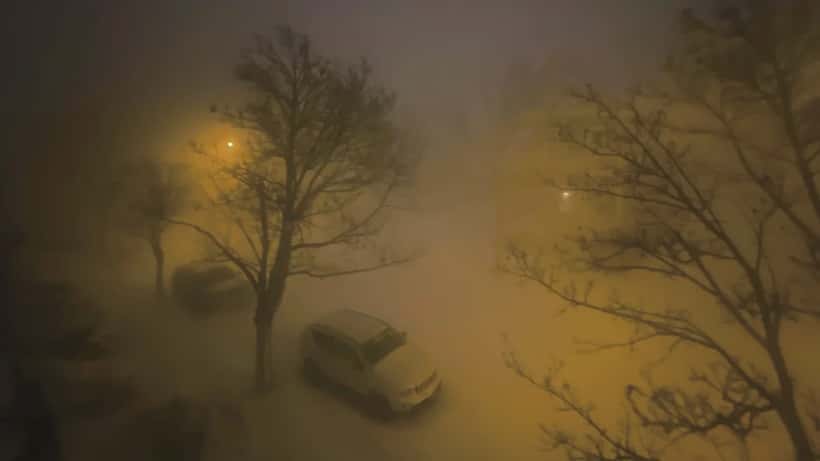
Then, between April 22 and 25, a second and more powerful system swept through northern Manitoba, Saskatchewan and northern Alberta. According to Environment Canada, accumulations reached 30 to 50 centimetres in some regions, with wind gusts between 60 and 90 km/h. Blizzard conditions stranded approximately 300 vehicles overnight on Alberta highways. Roofs were blown off buildings, semi-trucks overturned, and highways across all three provinces were shut down. One person died in Saskatchewan in a multi-vehicle collision near Broadview.
The scale of destruction has already triggered what insurers describe as tens of thousands of claims across Canada and the United States. For homeowners caught in the storm's path, understanding what your insurance actually covers — and how to document everything correctly — is now urgent.
What Does Home Insurance Actually Cover After a Snow Storm?
Standard home insurance policies in Canada generally cover three categories of storm-related damage:
- Wind and structural damage — Shingles ripped off, siding destroyed, fences toppled or roofs partially collapsed due to snow load are typically covered under the "dwelling" portion of your policy.
- Ice and water infiltration — If snow or ice backing up under your shingles causes interior water damage, many policies cover this — but exclusions apply if the roof was already in poor condition.
- Detached structures — Garages, sheds and fences may be covered under a separate limit, often 10% of your main dwelling coverage.
What insurers tend to exclude: damage deemed due to wear and tear, flooding caused by snowmelt seeping through the foundation (which usually requires a separate overland water rider), and damage to vehicles (covered under your auto policy, not home).
The key problem? These distinctions are buried in your policy wording, and insurers have financial incentives to interpret terms narrowly. In a year where insured catastrophic losses in Canada exceeded $8 billion — a record set in 2024 and likely to be surpassed again — claims departments are stretched thin and under pressure to manage costs.
Why You May Need a Lawyer — Even If You Have Insurance
Most people assume that filing a claim is straightforward. It rarely is after a major storm event. Here are the situations where a legal expert can protect your interests:
When your insurer disputes the cause of damage. Adjusters are trained to identify pre-existing conditions. A lawyer can independently commission structural reports and help you establish that the storm — not prior wear — caused your loss.
When your claim is partially denied. Partial denials are common after large events. Your insurer might cover roof replacement but dispute interior ceiling damage as unrelated. A lawyer can review the insurer's reasoning and challenge it formally.
When repairs are delayed. Many policies require your insurer to respond within specific timelines under provincial insurance legislation. If your insurer is dragging its feet while mould or structural degradation worsens, a lawyer can apply pressure and seek additional compensation for consequential damage.
When the settlement offer is too low. Public adjusters and legal counsel routinely recover 20 to 40% more than the insurer's initial offer in storm damage cases. If your claim runs into tens of thousands of dollars, professional help can pay for itself.
For context: the Insurance Bureau of Canada estimates the average home claim following a major storm event in Canada now exceeds $15,000. Getting expert guidance early — before you sign any release — is worth the conversation.
Common Mistakes That Can Cost You Your Claim
Even with a valid policy, homeowners regularly jeopardize their payouts through procedural errors:
- Delaying notification: Most policies require you to notify your insurer "as soon as reasonably possible." Waiting weeks while doing emergency repairs yourself can void coverage.
- Failing to document before cleanup: Photograph and video every inch of the damage before touching anything. Save damaged materials — do not throw them away.
- Authorizing permanent repairs too quickly: Temporary repairs to prevent further damage (tarping the roof, for example) are generally covered. But authorizing a contractor to do full replacement before the adjuster inspects can complicate your claim.
- Signing releases without reading them: A settlement cheque from your insurer often comes with a release of all claims. Once signed, you cannot go back for additional costs discovered later.
Spring Flooding May Follow — Is Your Policy Ready?
The April blizzards are also raising concerns about snowmelt flooding in coming weeks. Homeowners should be aware that standard home insurance does NOT cover overland flooding unless you have added a separate rider. If your property is near a river or in a low-lying area, contact your broker now — before water enters your home. Many insurers will not add overland water coverage once an advisory is in place.
For homeowners already dealing with post-storm water infiltration, the article Spring Flooding 2026: What Canadian Homeowners Must Know covers the distinction between water damage types and what your policy typically includes.
What Should You Do Right Now?
If your home was damaged in the April 2026 storms:
- Call your insurer and open a claim immediately — document the date and name of every agent you speak with.
- Photograph all damage before any cleanup.
- Get at least two contractor estimates in writing — submit both to your insurer.
- Request your adjuster's report in writing — you have a right to see it.
- Consult a legal expert before signing any settlement — especially if the offer seems low or the cause of damage is in dispute.
A lawyer specializing in insurance disputes can review your policy, advise you on your rights under provincial legislation, and negotiate on your behalf. On ExpertZoom, you can connect with a legal professional in minutes — without waiting weeks for an appointment.
Note: This article provides general information and is not legal advice. Every insurance claim is unique. Consult a licensed lawyer or public adjuster for guidance specific to your situation.
