 Olivia Tremblay
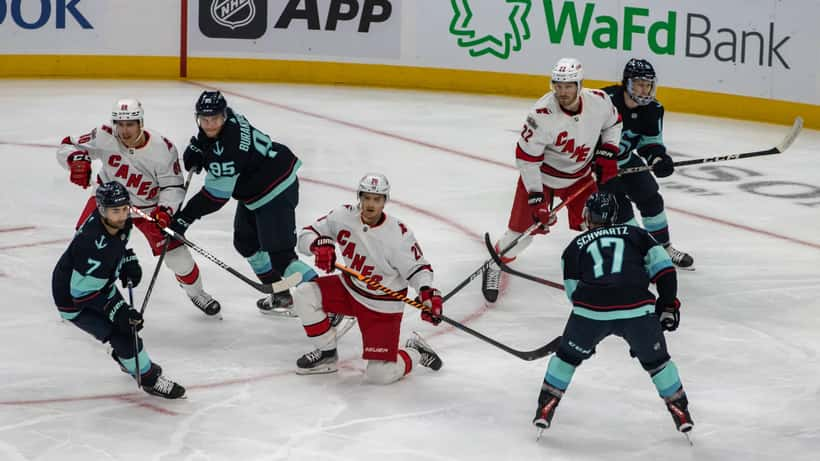
Sebastian Aho is one win column away from cashing what could become the biggest payday of his career — and the math goes well beyond his $9.75 million annual cap hit. The Carolina Hurricanes centre, who signed an eight-year, $78 million extension in 2024, dropped Game 1 of the Stanley Cup Final to the Vegas Golden Knights 5-4 on June 4, 2026, with three goals and 10 shots over four playoff rounds heading in. For NHL players, agents, and Canadian fans watching the series, the Final is also a live case study in how professional-athlete wealth is built, taxed, and protected across two countries.
Aho's contract structure tells the story. According to public filings tracked by Puckpedia and Spotrac, his 2026-27 season pays a $7 million base salary plus a $2 million signing bonus, with the same $9.75 million cap hit. That split is not cosmetic — it has direct tax consequences in both Canada and the United States, and it shapes how a wealth manager builds his cash flow and retirement plan around playoff timing.
Signing bonuses: the structure that keeps NHL paychecks lopsided
Signing bonuses in NHL contracts are typically paid out on July 1 each year, in a lump sum, separate from the regular bi-weekly salary that runs through the season. For a Finnish-born player like Aho who lives and plays in North Carolina, that bonus is taxed primarily in the United States — but the timing matters. A lump sum paid in one tax year can push a player into the top US federal bracket, currently 37 percent, while the in-season salary is spread more evenly across multiple state jurisdictions through the "jock tax" system.
A wealth manager working with NHL players will typically map out a five-year cash-flow projection that includes:
- The lump-sum signing-bonus dates and the marginal tax cost of each
- State-by-state allocation of in-season salary (Carolina home games versus road games in higher-tax jurisdictions like California or New York)
- Cross-border residency planning for Finnish or Canadian players considering a return home after their NHL career
Playoff bonus pool: what the Stanley Cup Final actually pays
The NHL playoff bonus pool for the 2025-26 post-season is published by the league at roughly $32 million, distributed to teams that advance based on how far they go. According to historical splits, a Stanley Cup-winning roster typically divides the largest single share — often $4 million to $5 million in total — among the players who suited up that post-season. The Conn Smythe Trophy winner does not get a separate cash bonus from the league, but the marketing and endorsement upside historically tracks above seven figures over the following 12 months.
For Aho specifically, a Cup win would also activate certain performance escalators tied to playoff bonuses negotiated into his individual contract. The total marginal cash impact of winning the Final, versus losing it, sits comfortably in the six-figure range before any future endorsement uplift.
NHL escrow: the unseen wealth drag every player budgets around
One of the most distinctive features of NHL compensation is escrow. Under the collective bargaining agreement between the league and the NHLPA, a percentage of every player's salary is withheld during the season and reconciled at year-end against actual hockey-related revenue. In recent seasons, the escrow rate has settled around 6 to 10 percent of gross salary, with some of that ultimately returned to players and the remainder kept by owners.
For a wealth advisor, the practical takeaway is that the cap-hit figure most fans cite is materially higher than the player's actual take-home. A $9.75 million cap hit, after federal and state tax, jock tax, escrow, agent fees (typically 2 to 4 percent), and union dues, lands closer to $4 to $5 million in disposable income before any private investment, real estate, or charitable structuring.
Cross-border tax: the Finnish factor
Aho was born in Rauma, Finland, and represents Finland internationally. Players who plan eventually to return home face a tax-residency question well before their NHL contract ends. Finland taxes worldwide income for its residents at progressive rates that reach approximately 56 percent at the top bracket when municipal and national rates combine. A player who repatriates while still receiving deferred compensation, signing bonus tails, or endorsement income from US contracts can face double-taxation exposure if the planning is not built years in advance.
A cross-border wealth manager with experience in US-Finland or US-Canada tax treaties can structure:
- Timing of when deferred compensation is recognized versus when residency changes
- Use of treaty-eligible retirement vehicles before residency moves
- Real-estate holdings structured to remain tax-efficient through residency transitions
For the formal US-Finland tax treaty text, the United States Internal Revenue Service publishes the agreement in its list of US tax treaties, which is the starting reference for any cross-border planning conversation.
What Canadian and NHL fans can learn from the Aho case
Even fans who will never approach NHL-level income face structurally similar questions when their compensation includes lump-sum bonuses, equity vesting, or cross-border work. The same three principles apply:
- Build cash flow projections around when the cash actually arrives, not when it is announced.
- Plan for the wealth drag — whether it is escrow for an NHL player or stock-based compensation withholding for a tech worker — before it lands.
- If residency may change, structure ahead of the move, not after.
For Aho and the Hurricanes, Game 2 of the Stanley Cup Final lands at home on June 6, 2026, and the series winner takes both the trophy and the largest single share of the league's playoff bonus pool. The financial outcome is decided over the next two weeks; the long-term wealth outcome depends on planning that started years earlier and continues well past the final whistle.
Canadians, NHL players, and their families looking to model contract bonuses, cross-border tax exposure, or signing-bonus cash flow can browse verified Canadian wealth managers and financial planners on ExpertZoom by region and specialty, including advisors with cross-border and athlete-client experience.
