 Patrick Roy
Sarah-Jeanne Labrosse's Passion Poussière Warns Canadians: 5 Renovation Mistakes to Avoid in 2026
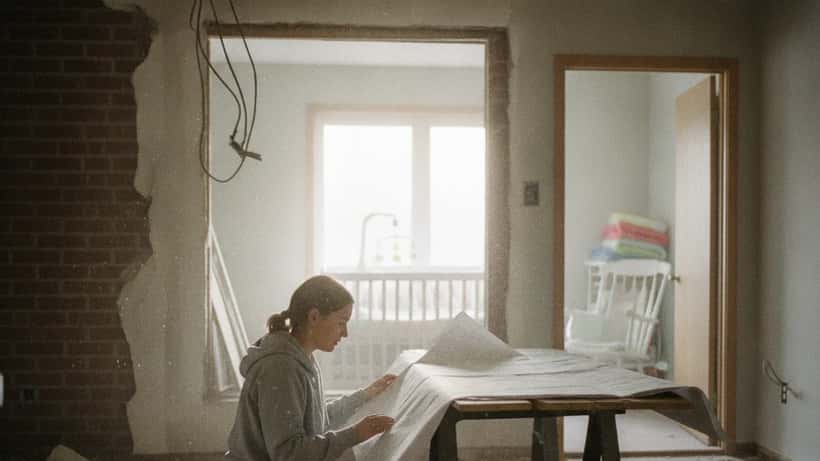
Quebec's favourite TV host Sarah-Jeanne Labrosse launched Season 4 of Passion Poussière on ICI TOU.TV EXTRA on May 26, 2026, with a daunting mission: transform a poorly-drained second-floor terrace into a baby bedroom — all while caring for three children under the age of three. What viewers witnessed wasn't just compelling television. It was a real-time demonstration of everything that can go wrong when Canadians take on home renovation projects without proper planning or expert guidance.
The show resonates because it is painfully relatable. Whether it is unexpected structural problems, budget overruns, or the chaos of dust and noise invading a family home, Passion Poussière holds up a mirror to the renovation struggles that thousands of Canadian homeowners face every year.
What Season 4 Really Shows Us
In this three-episode fourth season, Labrosse and her partner Félix-Antoine Tremblay tackled the conversion of a structurally problematic terrace into a bedroom for their newest child. As walls came down, so did any illusion that the project would be straightforward. Flying bricks, pervasive dust, and unforeseen complications stacked up quickly — and Labrosse herself has confirmed that this renovation pushed the couple to their absolute limits.
The emotional toll was significant enough that Season 4 is confirmed to be the last renovation project undertaken by the Labrosse-Tremblay couple for the show. Yet a Season 5 is already announced for 2026-2027 on ICI TOU.TV — proof that Canadians remain deeply drawn to the honest portrayal of renovation life. What is entertainment for viewers, however, is often a costly and stressful lesson for homeowners who attempt similar projects without preparation.
The Hidden Cost Problem Every Canadian Renovator Faces
Renovation budget overruns are among the most common financial stressors for Canadian homeowners in 2026. Industry cost guides show that the average renovation in Canada runs between $125 and $275 per square foot — but that figure conceals the real danger, which contractors call scope creep.
Scope creep happens when demolition reveals problems that were invisible before the walls came down: moisture damage, outdated electrical wiring, rotted structural elements, or insufficient drainage. A terrace conversion like the one Labrosse undertook is especially prone to this. A simple surface-level project can expose compromised waterproofing that affects the entire floor system below.
Standard practice among professionals is to set aside 10 to 15 percent of your total budget as a contingency reserve. On a $50,000 project, that means having $5,000 to $7,500 available beyond your initial estimate before a single nail is driven. Adding a general contractor — whose fees typically range from 10 to 20 percent of total project costs — may feel expensive upfront, but it significantly reduces the risk of mid-project delays, quality gaps between trades, and runaway costs that derail the entire job.
Renovating With Young Children at Home
Labrosse and Tremblay took on their terrace conversion while managing three children under three — one of the most demanding living situations possible during an active renovation. Dust, noise, restricted access, and the constant disruption of a construction zone are not just inconveniences in this scenario; they are genuine health and safety concerns.
According to the Canada Mortgage and Housing Corporation (CMHC), older Canadian homes may contain hazardous materials — including lead paint and asbestos — that become dangerous when disturbed during renovation work. Families with young children are particularly vulnerable and should ensure that proper containment, dust control, and air quality management are in place throughout any project.
This is exactly where consulting a qualified home improvement professional adds value beyond the structural and cosmetic work. An expert can walk you through local permit requirements, safety protocols, and the hidden regulatory steps that protect your family during construction.
5 Situations Where You Must Call a Home Improvement Expert
Many Canadians assume that renovation projects are within the reach of a determined DIYer or a few calls to independent tradespeople. Passion Poussière shows repeatedly that this assumption leads to costly surprises. Here are five situations where professional advice is not optional:
1. Structural changes to your home. Converting a terrace into a habitable room — precisely what Labrosse undertook — requires building permits and a structural assessment in virtually every Canadian municipality. Any work that alters the structure of your home must be approved before it begins. Starting without permits can result in fines, forced demolition, and complications when you eventually sell.
2. Unexpected damage is uncovered. When demolition reveals damage beyond the original scope, a qualified contractor or building inspector can assess what the new reality means for your budget and timeline — before costs spiral.
3. Drainage or moisture problems are involved. A poorly-drained terrace signals potential water intrusion that affects the structural integrity of the floor, walls, and ceiling below it. Waterproofing and drainage remediation require specialist expertise.
4. Children or elderly family members are living in the home during renovation. Health and safety protocols — dust containment, ventilation, temporary room closures — are non-negotiable when vulnerable people share the space. A professional can advise on what is safe and what requires a temporary relocation.
5. Your budget is firm. A fixed budget and a home renovation project are almost always heading for a collision. A home improvement consultant can provide detailed scope estimates and cost breakdowns before you commit, helping you prioritize work, phase the project, and avoid mid-construction cash crises.
Plan Before You Pick Up a Hammer
Passion Poussière makes renovation look like an adventure — and it is. But the recurring lesson Labrosse's journey delivers, season after season, is that the most successful projects are the ones with the best preparation behind them.
If Sarah-Jeanne Labrosse — who has renovated on television four times — openly admits that Season 4 pushed her to her limits, it is worth pausing before assuming your first (or fourth) project will be different. The variables that blindsided her — structural complications, unforeseen moisture issues, and the sheer physical toll of renovating a family home with small children — are the same ones waiting for any homeowner who skips the planning phase.
A certified home improvement specialist can help you scope your project accurately, understand your permit obligations, select the right trades, and build a contingency into your budget before the dust starts flying. Consulting one before you start may be the single most valuable step you take.
