 Julia Vachon
The Réseau express métropolitain's Anse-à-l'Orme branch officially opened on May 18, 2026, connecting Montreal's West Island to the city's automated light rail network for the first time. Four new stations in Pointe-Claire, Kirkland, and Sainte-Anne-de-Bellevue now give commuters a 30-minute ride to downtown McGill — and property values near those stations are already responding.
What the REM's West Island Expansion Means in Numbers
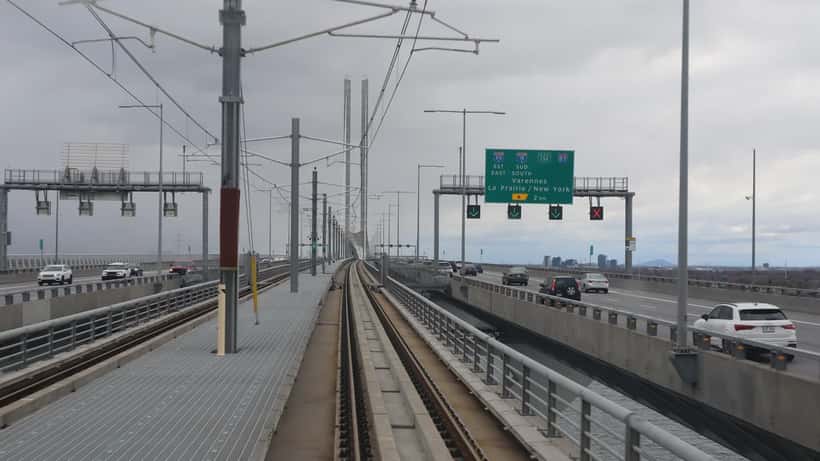
The new Anse-à-l'Orme branch adds 14 kilometres to the existing 50-kilometre REM network, making it the second-longest aerial automated rail system in Canada after Vancouver's SkyTrain. The four new stations serve some of Montreal's most traditionally car-dependent suburbs — and that shift in accessibility is reshaping local real estate markets.
Data from earlier REM station openings shows the impact clearly. Properties near the Bois-Franc station, one of the first REM stops to open, saw townhouse median prices reach approximately $623,000, above comparable non-REM-adjacent areas in the same period. Urban planning research consistently shows transit-oriented development drives property premium increases of 6 to 15 percent within a one-kilometre radius of new rapid-transit stations.
In West Island specifically, areas like Kirkland, Pointe-Claire, and Sainte-Anne-de-Bellevue are already seeing increased buyer interest. The broader Montreal market entered 2026 in seller's territory, with approximately 4.8 months of supply — a competitive landscape where transit access has become a decisive factor for buyers weighing suburban options.
Development Is Accelerating Around New Stations
The REM's arrival is not just about commute times. Cadillac Fairview has launched a major mixed-use redevelopment around the Fairview Pointe-Claire shopping mall — immediately adjacent to one of the new stations. The project includes high-rise condominiums, office spaces, a transit-oriented retail hub, and new public green spaces connecting to the REM platform.
This kind of density surge is typical of what happens after major rapid transit opens. Multi-billion-dollar infrastructure investments historically trigger visible spikes in development activity around stations, particularly in formerly car-dependent suburbs. For homeowners and investors who positioned near West Island stations ahead of the May 18 opening, this moment marks the beginning of a measurable and sustained value appreciation cycle that could run well into the late 2020s.
Why This Moment Matters for West Island Property Owners
If you own property within walking distance of any of the four new Anse-à-l'Orme stations, your asset's value profile has materially changed. Proximity to rapid transit is one of the most consistently weighted features in urban real estate appraisal — and one that compounds over time as surrounding development matures.
However, translating that appreciation into a sound financial decision requires more than checking current listing prices. Several interconnected questions now matter:
Property reassessment risk: Montreal's 2026 to 2028 assessment cycle is under way. Properties near new REM stations are likely to be reassessed upward, increasing your annual property tax burden even as your equity position improves. You can read more about how Montreal's assessment process is already affecting homeowners in our coverage of Montreal's 2026 property tax changes.
Refinancing opportunities: If your home has appreciated significantly in the past 12 to 18 months, a wealth advisor can model whether a cash-out refinance or home equity line of credit is a cost-effective way to access that equity in the current Bank of Canada rate environment.
Portfolio concentration: Many West Island households hold a large majority of their net worth in a single residential property. Now that the REM has catalyzed a new appreciation cycle, this may be the right moment to review whether that concentration aligns with your long-term financial goals.
Who Benefits — and Who Faces New Pressures
The premium from rapid transit access does not distribute evenly. Research on previous REM station openings shows the strongest value lift concentrates within a 400 to 800 metre walking radius of each platform. Properties just beyond that zone see smaller or negligible premiums.
For renters in Pointe-Claire, Kirkland, and Sainte-Anne-de-Bellevue, the transit improvement is real — but elevated landlord demand could mean upward pressure on rents as the neighbourhood's appeal grows. First-time buyers face a more nuanced picture: the REM makes West Island more accessible and desirable, but rising demand is compressing the affordability window that existed before transit arrived. Understanding price trajectory — not just today's listing price — is essential for anyone considering buying in these corridors.
Sellers who have held West Island property for five years or more now have a strong market tailwind. A qualified wealth advisor can help calculate your net-of-tax position after applying the principal residence exemption under Canadian tax rules, and model optimal timing scenarios.
Getting Expert Guidance Before a Major Decision
Whether you are a homeowner weighing a sale or refinance, an investor evaluating entry points, or a first-time buyer trying to determine what this transit surge means for your purchasing power, professional advice pays off at inflection points like this one. A wealth management expert can run personalized financial models using your specific numbers — mortgage balance, income, risk tolerance, and investment horizon — and give you a clear picture of your options. You can also review the broader context for real estate investment in census-tracked Montreal neighbourhoods in our recent analysis of neighbourhood trends and real estate investment across Canada.
For official route maps, station details, and service schedules for the new West Island branch, visit the official REM website.
This article is for informational purposes only and does not constitute financial or investment advice. Consult a qualified wealth management advisor for guidance specific to your situation.
