 Adèle Chartrand
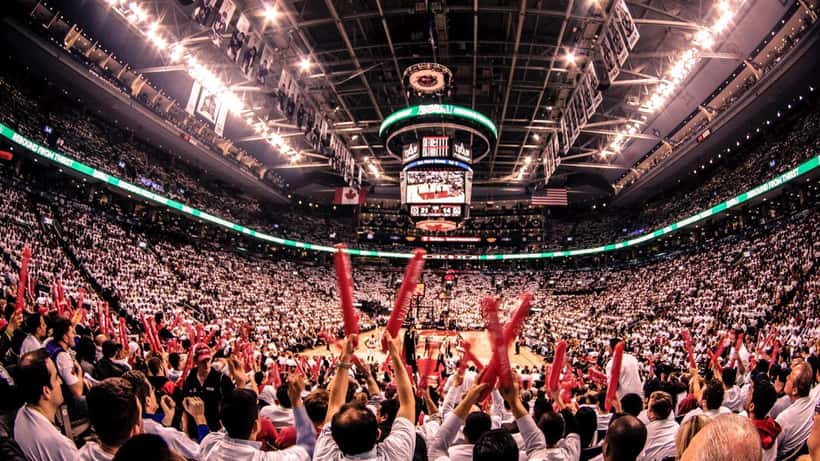
The Toronto Raptors are back in the 2026 NBA Playoffs — and if your pulse has been racing since Game 1, you're not alone. Research shows that watching your team compete in high-stakes postseason basketball can trigger measurable cardiac stress, with effects that rival moderate physical exercise.
Game 1 on April 18 saw the Cleveland Cavaliers defeat Toronto 126–113, with Donovan Mitchell posting 32 points. With Game 2 already in the books and Game 3 scheduled for April 23 at Scotiabank Arena, Raptors fans across Canada are bracing for weeks of emotional intensity. For many, that intensity goes beyond the scoresheet.
What Happens to Your Body During a Playoff Game
The science is clear: emotionally invested sports fans experience measurable physiological changes during live competitions. A study published in the Canadian Medical Association Journal found that heart rates among hockey fans increased by as much as 75% when watching a game on television — and by 110% when watching in person, according to research cited by Harvard Health.
That's equivalent to the cardiac stress of moderate-to-vigorous exercise — except you're sitting on your couch.
When the Raptors claw back from a deficit, or when a crucial three-pointer rims out in the final seconds, your brain floods your body with cortisol and adrenaline. Blood pressure climbs. Your heart rate spikes. Platelets become "stickier," increasing the short-term risk of clotting. For healthy fans in their 20s and 30s, this is usually no cause for concern. For fans with underlying conditions, the story is different.
Who Faces Elevated Risk
According to the American Heart Association, the cardiac risk associated with watching high-stakes sports is significantly higher for fans who already have cardiovascular vulnerabilities. The categories to watch include:
- Coronary artery disease: The emotional stress-response can trigger the same chain of events as physical exertion — narrowing arteries constrict further, reducing blood flow.
- Hypertension: Blood pressure can spike 20–30 mmHg during an intense game moment, according to research published in JAMA.
- Arrhythmias: Studies show that irregular heartbeat episodes nearly double in frequency during major playoff matchups compared to control periods.
- Diabetes: Stress hormones increase blood glucose levels, complicating management during prolonged high-stress viewing sessions.
The risk is compounded by common game-day habits: alcohol, salty snacks, lack of movement, and — for many Canadian fans — late-night start times that disrupt sleep.
The Raptors Factor Is Real
For Toronto fans specifically, 2026 carries extra emotional weight. The Raptors last appeared in the playoffs four years ago. Brandon Ingram, averaging 21.5 points per game this postseason, and RJ Barrett, a Canadian basketball icon, are carrying the weight of a nation's expectations. That emotional investment is not a metaphor — it translates directly into physiological response.
A 2019 meta-analysis published in PubMed reviewed 11 studies on cardiovascular events during major football tournaments and found a consistent pattern: major sporting events correlate with a measurable uptick in hospital admissions for cardiac events, particularly among older male fans with pre-existing conditions.
This doesn't mean you should stop watching. It means you should watch smartly.
Five Signs You Should Pause the Game and Call a Doctor
Most playoff excitement is harmless. But some symptoms during or after a game deserve prompt medical attention:
- Chest pain or tightness that persists beyond a few seconds
- Shortness of breath not explained by physical activity
- Heart palpitations that feel irregular, skipping, or fluttering for more than a few minutes
- Dizziness or lightheadedness during an intense sequence
- Jaw, arm, or shoulder pain accompanying any of the above
If you experience two or more of these symptoms at the same time, do not wait for the final buzzer. These are potential warning signs of a cardiac event.
How to Watch Safely — Doctor-Approved Tips
You don't need to miss a single second of Raptors basketball. But you can reduce unnecessary cardiac load with a few evidence-based adjustments:
Manage the physical environment:
- Keep the room temperature comfortable — heat adds cardiovascular strain
- Stay hydrated with water (dehydration raises heart rate and thickens blood)
- Avoid heavy, salty meals right before tip-off
Manage emotional arousal:
- Take standing breaks between quarters or during timeouts to prevent prolonged sitting
- If you feel your heart "pounding," take a slow breath in for 4 counts, hold for 4, out for 6 — this activates the parasympathetic nervous system
- Remind yourself that winning or losing will not define your life (easier said than done, but worth trying)
Know your baseline:
- If you have not had a cardiac check-up in the past year and you're over 45 with known risk factors, now is a good time — before the series gets to Game 7 territory
When to Speak to a Health Expert
If you have been diagnosed with any of the conditions above — or if a family member has — speaking with a cardiologist or family physician before the playoffs intensify is a wise move. A doctor can review your current medications, set appropriate activity limits, and help you understand your personal risk threshold.
ExpertZoom connects Canadians with licensed health professionals across the country, available for consultations ranging from preventive advice to urgent follow-up assessments.
The Raptors need your energy this spring. Make sure your heart is ready to give it.
Disclaimer: This article is for informational purposes only and does not constitute medical advice. Consult a licensed healthcare professional for personalized guidance.
