 Stéphanie Fournier
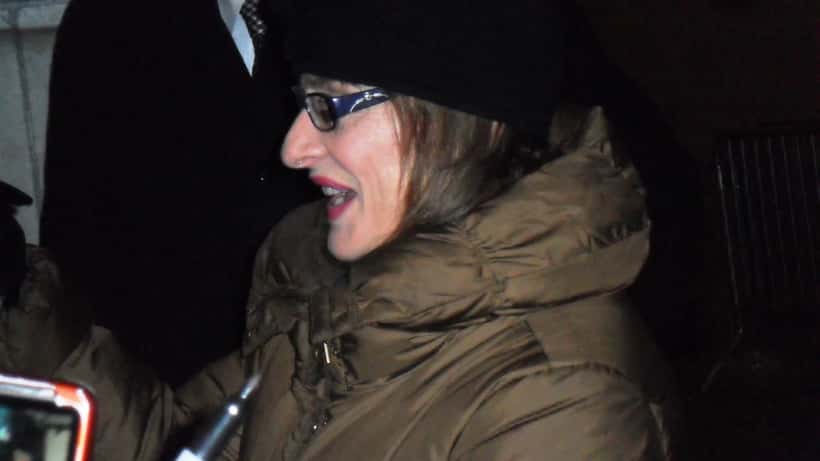
In February 2026, Broadway legend Patti LuPone walked onto the Carnegie Hall stage and delivered something beyond music: a rallying cry. Referring to Donald Trump's plan to shut down the Kennedy Center for "complete rebuilding" as the work of "the buffoon," LuPone called on artists and audiences alike to "rise up and speak." The moment went viral, and Canadian performers are watching closely.
The Kennedy Center Fight and What It Signals
The Kennedy Center in Washington, D.C., is the United States' premier arts institution, hosting hundreds of performances annually and supporting thousands of artists through grants, residencies, and commissions. Trump's proposed two-year closure would displace companies, cancel contracts, and eliminate funding streams that many artists depend on for their livelihood.
LuPone joined fellow artists Philip Glass, Stephen Schwartz, and Lin-Manuel Miranda in condemning the move. Their collective message was direct: when governments treat art as expendable, working artists pay the price through lost contracts, cancelled gigs, and withdrawn grants. LuPone called the Kennedy Center fight "a wake-up call," warning that silence only makes things worse.
For Canadian performing artists, the question is not abstract. Government arts funding can shift with budget cycles and political priorities. Knowing your legal rights before a funding cut happens is not paranoia — it is professional preparation.
Canada's Arts Funding Landscape in 2026
Canadian arts organizations operate within a robust, if fragile, public funding framework. In November 2025, the federal government announced $46.5 million over three years, beginning in 2026-2027, for the Canada Arts Presentation Fund, administered by the Department of Canadian Heritage. This fund supports professionally presented arts festivals and performing arts series, providing a financial foundation for thousands of performers across the country.
Yet no public funding commitment is permanent. Policy priorities change. Budget pressures mount. And when a grant is withdrawn or reduced mid-cycle, artists who assumed stability can find themselves in financial freefall. Understanding the legal instruments available is what separates performers who recover quickly from those who do not.
3 Legal Rights Canadian Artists Should Know in 2026
1. Contractual Rights Under Grant Agreements
When an arts organization receives a government grant, the terms of that grant create a legal relationship. If the funding body withdraws or reduces support mid-cycle without cause, the organization may have legal recourse. However, most grant agreements contain force majeure or policy-change clauses that limit government liability. An arts and entertainment lawyer can review these clauses before you sign, not after the funding disappears. Knowing what your agreement actually says about early termination is the foundation of any claim.
2. Contractor Protections When Projects Are Cancelled
Many performing artists work as independent contractors rather than employees. This distinction matters enormously when a production is cancelled because a presenting organization lost its funding. Under Canadian contract law, a contractor who has already begun work may be entitled to compensation for work in progress and for costs reasonably incurred in reliance on the contract. The strength of that claim depends heavily on what the written contract says and whether notice requirements were followed. Consulting a legal specialist at the contract drafting stage, not the cancellation stage, is the professional standard.
3. Collective Agreement Protections for Union Members
Members of ACTRA, Canadian Actors' Equity Association, or the Canadian Federation of Musicians benefit from collective agreements that set minimum standards for kill fees, cancellation fees, and notice periods. These protections exist precisely because arts projects are vulnerable to funding volatility. A union member who understands their collective agreement can invoke those protections the moment a cancellation notice arrives. An arts lawyer familiar with union agreements can advise on whether a cancellation qualifies for compensation and how to file a grievance if it does not.
The Advocacy Dimension: Legal Action and Policy Challenge
LuPone's Carnegie Hall speech modeled something important: arts institutions and individual artists have legal standing to challenge policy decisions that threaten their operations. In Canada, arts organizations can pursue administrative law remedies if a funding decision appears to violate their procedural rights. They can also file complaints with the Canadian Human Rights Commission if funding decisions appear discriminatory.
At the individual level, legal preparation and public advocacy work together. Documenting the financial impact of a funding cut, maintaining detailed records of project agreements, and seeking early legal advice all strengthen any future claim — formal or informal.
When You Need an Expert
If you are a Canadian performing artist or arts administrator, several situations warrant prompt legal consultation:
- Your organization has received notice that a multi-year grant commitment will not be renewed
- A presenting organization has cancelled your contract citing loss of public subsidy
- You are negotiating a contract that includes government co-funding and need to understand your exposure if that funding changes
- Your employer or presenting organization has become insolvent due to funding withdrawal
An entertainment and arts law specialist can review your specific agreements, advise on your rights under Canadian contract and employment law, and help you assess whether formal dispute resolution is appropriate for your situation.
Patti LuPone put it plainly from the Carnegie Hall stage: silence makes things worse. For Canadian artists navigating the legal side of arts funding uncertainty, getting expert legal advice early is the professional equivalent of finding your voice — before the curtain falls on your rights.
This article provides general legal information for informational purposes only and does not constitute legal advice. Consult a qualified arts and entertainment lawyer for advice specific to your situation.
