 Patrick Roy
A 1.2-million-square-foot Kimberly-Clark distribution centre in Ontario, California was destroyed on April 7, 2026, in what investigators believe was a deliberate act of arson by a disgruntled warehouse employee. While the fire occurred south of the border, it has sent a wake-up call to Canadian employers about fire safety obligations, workplace safety culture, and the legal liability that comes when prevention fails.
What Happened at the Kimberly-Clark Warehouse?
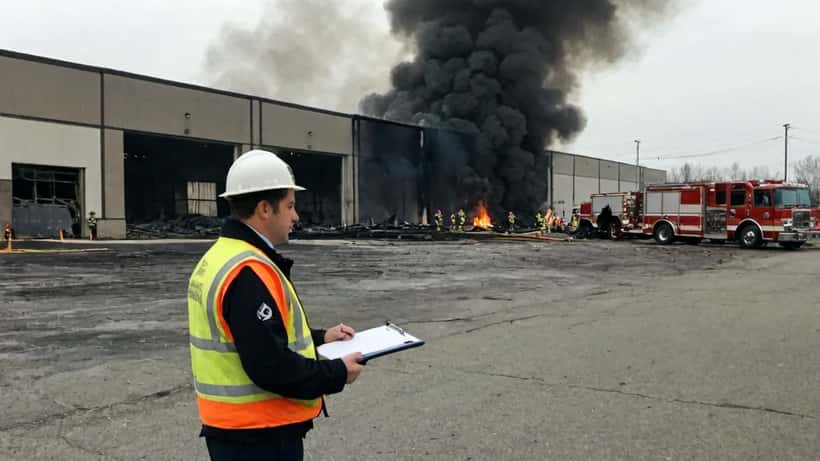
Shortly after 12:30 a.m. on Tuesday, April 7, 2026, a six-alarm blaze erupted at the Kimberly-Clark distribution centre in Ontario, California. The facility — roughly the size of 11 city blocks — was filled with paper products including Kleenex tissues and Huggies diapers. Within hours, the roof had collapsed and the entire inventory was destroyed.
Some 175 firefighters and 20 engine companies responded to the scene. Approximately 20 employees were inside when the fire started. Fortunately, there were no reported fatalities.
A suspect — identified as 29-year-old Chamel Abdulkarim, an employee of NFI Industries (the third-party logistics company operating the facility for Kimberly-Clark) — was arrested on multiple felony arson charges. Police said a video circulating on Instagram appeared to show Abdulkarim igniting pallets while saying: "There goes your inventory. All you had to do was pay us enough to live."
The alleged motive — wage frustration — is not unique to the United States. In Canada, workplace disengagement and economic precarity are issues that employers must take seriously, both ethically and legally.
Canadian Employers' Fire Safety Obligations
The Kimberly-Clark blaze raises an important question for warehouse operators across Canada: do you know your legal obligations when it comes to fire safety?
Under federal and provincial law, Canadian employers are required to maintain safe working environments — and fire prevention is a core component of that duty.
According to Canada's Occupational Health and Safety regulations, federally regulated workplaces must implement comprehensive fire safety protocols, including evacuation procedures, fire detection systems, and regular staff training. In Ontario specifically, the Occupational Health and Safety Act (OHSA) imposes a general duty on employers to protect every worker from foreseeable hazards — including the risk of fire.
Employers in Ontario can face fines of up to $2,000,000 per offence under the OHSA for failing to protect workers, according to the province's workplace safety authority. Criminal liability can also apply under Canada's "Westray Law" (Bill C-45, in force since 2004), which allows corporations to be charged criminally for workplace injuries or deaths resulting from negligence.
The Human Factor: Internal Threats and Prevention
The alleged facts in the Kimberly-Clark case highlight something that fire suppression systems cannot fix alone: the risk posed by employees who feel undervalued or resentful.
A risk-aware workplace goes beyond sprinkler systems and exit signs. Canadian employers should consider:
- Access control policies: Limiting unaccompanied access to high-risk zones such as storage areas with flammable materials
- Employee feedback channels: Formal systems for workers to raise concerns about pay, conditions, or treatment — before grievances escalate
- Monitoring of potential workplace conflicts: HR protocols that flag situations which could escalate
- Whistleblower protections: Encouraging co-workers to report concerns without fear of retaliation
A home improvement or property management professional can help businesses assess the physical vulnerabilities of their facilities. But a deeper cultural review — often assisted by HR consultants or employment lawyers — can address the human risks that no smoke detector will catch.
What to Do If Your Business Suffered Fire Damage
For Canadian businesses that have experienced fire damage — whether from external causes, equipment failures, or, in rare cases, internal incidents — the immediate legal and financial questions can be overwhelming.
Step 1: Document everything. Photograph all damage before any cleanup begins. This is essential for insurance claims.
Step 2: Notify your insurer promptly. Most commercial property insurance policies require you to report damage "as soon as reasonably possible." Delays can complicate or void claims.
Step 3: Understand your coverage. Business interruption insurance can cover lost income during repairs. Not all policies automatically include it, so checking your policy before a crisis is far better than after.
Step 4: Consider legal advice. If a fire was caused by third-party negligence — a contractor, an electrical fault traced to a vendor's work, or, as in this case, deliberate employee action — you may have grounds for civil action in addition to any criminal proceedings.
A qualified home improvement contractor can lead the physical rebuild. But an employment lawyer or legal expert can help you navigate liability questions, insurance disputes, and any potential litigation — especially if workers were injured or property loss was substantial.
When Professional Help Matters Most
The Kimberly-Clark fire is a reminder that the cost of inadequate safety preparation is not just financial. Lives, livelihoods, and entire supply chains can be disrupted overnight.
Canadian law places the burden of fire safety squarely on employers. Meeting that obligation requires not just compliance-on-paper, but a genuine culture of safety — one where workers feel heard, hazards are proactively addressed, and emergency plans are tested regularly.
If you're not confident your business is fully protected, now is the right time to consult a fire safety specialist, a building contractor experienced in commercial renovations, or an employment law expert. ExpertZoom connects you with qualified professionals who can assess your premises and advise on your legal obligations before the next headline involves your address.
Note: This article refers to a fire that occurred at a distribution centre in Ontario, California. The legal information in this article pertains to Canadian employer obligations and is provided for general informational purposes only. For advice specific to your situation, consult a qualified professional.
