 Olivia Tremblay
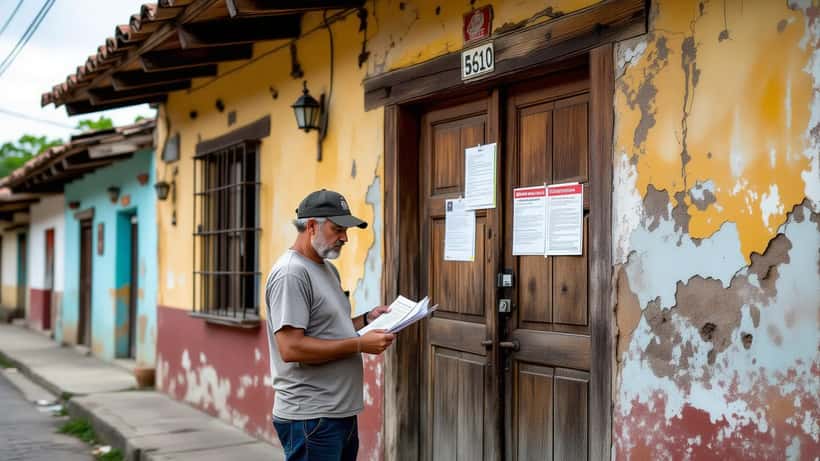
Canadians who own a retirement condo in San Juan del Sur, farmland near Granada, or shares in a Nicaraguan business woke up to a hardening reality in 2026. On January 16, 2026, Nicaragua eliminated the right to dual citizenship in most cases, including for Canadian citizens, and Global Affairs Canada now warns that authorities "may seize property, including land, homes, cash, and financial assets, without warning or legal justification." The backdrop is the government led by co-president Daniel Ortega, whose regime the U.S. Treasury sanctioned again in April 2026 for confiscating foreign-owned assets.
What is happening in Nicaragua
The Ortega-Murillo government has turned confiscation into a routine instrument of the state. In April 2026, the U.S. Department of the Treasury sanctioned five individuals and seven companies tied to Nicaragua's gold sector — including two sons of co-presidents Rosario Murillo and Daniel Ortega — specifically over the "forceful seizure of U.S.-owned property." Treasury Secretary Scott Bessent said the regime "has sought to fill its own coffers" by "confiscating American investments in Nicaragua."
Canadians are not spectators to a purely American problem. The same machinery has stripped property from 222 opposition figures forced into exile, and closed at least 26 universities — including seven foreign institutions — seizing their assets since December 2021. Religious orders have been declared illegal and their real estate confiscated. The pattern is consistent: dissent, foreign ownership, or simple proximity to a targeted person can trigger a seizure that arrives with no notice and no court hearing.
Why it matters for Canadians
Two developments in 2026 sharpened the risk for Canadian owners. First, the end of dual citizenship removes a layer of protection many Canadian-Nicaraguans relied on; a Canadian passport no longer shields property held under a second nationality. Second, Global Affairs Canada's advisory is now explicit that seizures can occur "without warning or legal justification," language the department rarely uses so bluntly.
There is also a compliance trap on the Canadian side. Under the Special Economic Measures (Nicaragua) Regulations, in force since 2019, Canada imposes an asset freeze and a broad dealings prohibition on listed Nicaraguan officials. A Canadian who unknowingly transacts with a sanctioned person or entity — a business partner, a landlord, a buyer — can breach Canadian law, even while trying to protect their own money. In February 2025, Ottawa created a permit mechanism allowing the Minister of Foreign Affairs to authorize otherwise-prohibited activities in exceptional cases, but that relief must be applied for, not assumed.
The expert angle: cross-border wealth is a specialist problem
This is where a wealth manager or cross-border financial advisor earns their fee. Nicaragua is not an isolated case; it is a template for what happens when Canadians hold concentrated assets inside a politically volatile jurisdiction with weak property rights. The instinct to "wait and see" is usually the most expensive choice, because expropriation risk is rarely priced into the asking value of a foreign vacation home.
A qualified advisor works through several questions most owners never ask themselves. How much of your net worth is trapped in a single unstable country, and what would your plan look like if it went to zero overnight? Are your Nicaraguan holdings structured through a company or trust that a Canadian institution can still legally service under sanctions rules? If you receive rental income or a sale proceed, can it even be repatriated to a Canadian account without tripping compliance flags? These are questions of portfolio concentration, liquidity, and legal exposure — not paperwork you file once and forget.
The same discipline applies to Canadians tempted by "distressed" Nicaraguan real estate at fire-sale prices. A bargain is not a bargain if the title can be voided by a ministry decree. As with any concentrated foreign bet, the lesson mirrors what advisors tell clients weighing volatile emerging markets like Argentina's shifting economy or renegotiated trade frameworks such as the CUSMA agreement: understand the political risk before the price.
What Canadians should do now
If you hold assets in Nicaragua, treat 2026 as the year to act rather than observe. Start by reading Global Affairs Canada's official travel advice and advisories for Nicaragua, which sets out the current seizure and citizenship warnings in plain terms. Then take four concrete steps.
Inventory everything. Document every property, bank account, and business interest you hold in Nicaragua, with current valuations and how each is titled. You cannot manage exposure you have not measured.
Check the sanctions lists. Before any transaction, verify that no counterparty appears on Canada's Nicaragua sanctions list. A single prohibited dealing can create legal problems in Canada regardless of what happens in Managua.
Stress-test your plan. Ask a cross-border wealth manager to model your finances assuming the Nicaraguan assets become unrecoverable. If that scenario damages your retirement, your portfolio is too concentrated and needs rebalancing toward assets held in stable jurisdictions.
Get advice before you move money. Repatriating funds, selling property, or restructuring ownership all carry tax and compliance consequences on both sides of the border. A short consultation with a qualified advisor is far cheaper than an unwinding done wrong.
The Ortega government's willingness to seize foreign-owned assets is not a headline that will pass. For Canadians, it is a live financial-planning problem with a clear response: measure the exposure, respect the sanctions rules, and rebalance before the decision is made for you.
This article is general information, not financial or legal advice. Sanctions rules and expropriation risks vary by individual situation. Consult a qualified cross-border wealth manager or lawyer before acting on assets held in Nicaragua.
