 Adèle Chartrand
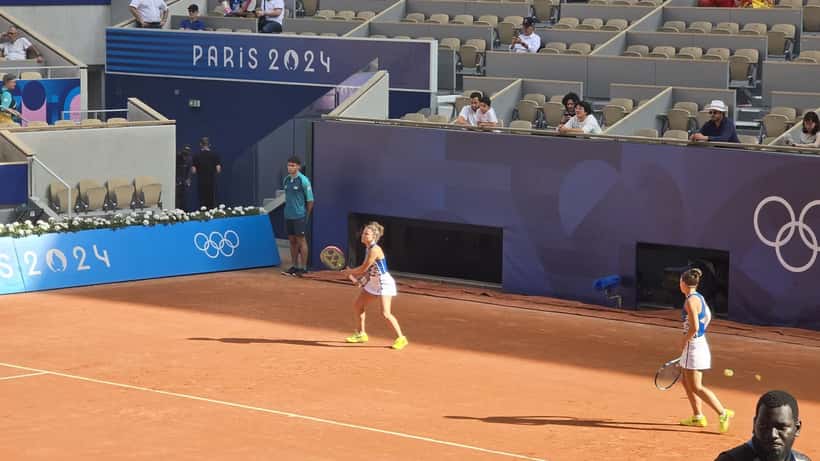
Mirra Andreeva, the 18-year-old Russian tennis sensation, is competing in the final of the Upper Austria Ladies Linz on April 12, 2026 — and she's doing it with a psychologist by her side. Her openly discussed mental health strategy is sparking a vital conversation about what young high achievers need to stay healthy at the top.
The Prodigy Who Chose Her Own Path
Andreeva arrived in Linz as the No. 1 seed and stormed through the draw, defeating Sorana Cirstea 7-6, 4-6, 6-2 in the quarterfinals and Elena-Gabriela Ruse 6-4, 6-1 in the semifinals. But her story in 2026 is about more than scorelines. After winning titles in Dubai and Indian Wells in 2025, she described feeling crushed by growing expectations: "People would expect me to win Miami, and then Madrid and Rome. That's basically almost not possible."
Rather than collapse under that weight, Andreeva worked with her coach Conchita Martinez and a sports psychologist to reframe her relationship with competition. Her philosophy — deliberately lowering internal stakes — is now her competitive shield.
When Elite Performance Becomes a Health Issue
Sports psychologists have long recognized that early-career success creates a paradox for young athletes: the very achievements that generate admiration also amplify the fear of failure. According to the Canadian Mental Health Association, mental health challenges affect approximately 1 in 5 Canadians in any given year, and high-performing young people in structured, high-pressure environments face elevated risk.
Andreeva's situation echoes what clinicians see in consulting rooms across Canada. Young professionals, student athletes, and academic achievers frequently report similar patterns: a rapid rise followed by creeping anxiety, perfectionism, and eventually burnout. The turning point, according to mental health experts, is often not the external pressure itself but the absence of coping tools — specifically, professional psychological support.
Four Signs High-Achievers Need Mental Health Support
Doctors and psychologists point to four common warning signs that performance pressure has crossed into territory requiring professional attention:
Obsessive thinking about outcomes. When a young person's internal monologue becomes dominated by catastrophic scenarios — "If I fail this, everything falls apart" — the stress response system is chronically activated. Cortisol levels remain elevated, affecting sleep, concentration, and immune function.
Physical symptoms without physical cause. Recurring headaches, gastrointestinal problems, unexplained fatigue, and disrupted sleep in otherwise healthy young people are frequently somatic expressions of psychological overload. A doctor's assessment can rule out organic causes and initiate appropriate mental health referrals.
Withdrawal from enjoyment. Andreeva herself described the sport she once loved becoming something she felt she "had to" win rather than "wanted to" play. Loss of intrinsic motivation is a clinical red flag in adolescents and young adults.
Difficulty accepting normal setbacks. A single loss, a poor performance review, or a missed academic target causing disproportionate distress suggests the nervous system is operating in a state of chronic threat assessment — a signal that intervention could prevent longer-term consequences.
The Psychologist Is Not a Weakness
One of the most significant aspects of Andreeva's public stance is her willingness to name her psychologist as part of her competitive team. In many Canadian families — particularly those from Eastern European or Asian backgrounds — seeking psychological support still carries cultural stigma. Andreeva, a Russian-born athlete competing on the global stage, is dismantling that perception in real time.
This matters clinically. The earlier psychological support is introduced, the greater the protective effect. A 2023 meta-analysis in the British Journal of Sports Medicine found that athletes who received structured psychological intervention during adolescence showed significantly lower rates of anxiety disorders and career burnout in early adulthood compared to those who received support only after reaching crisis point.
In Canada, sports medicine physicians, family doctors, and pediatricians are often the first point of contact for young athletes experiencing performance-related distress. A GP can conduct an initial mental health assessment, provide a referral to a sports psychologist or psychiatrist, and — crucially — create a medical record that supports the athlete's support network.
What Parents and Coaches Should Watch For
Andreeva's situation reflects a broader challenge for families raising high-achieving young people in competitive environments. Whether the arena is tennis, hockey, academic competitions, or performing arts, the pressure mechanics are comparable.
Parents and coaches are frequently the first to notice behavioural changes — irritability, social withdrawal, sleep disruption, or a sudden drop in enthusiasm. The clinical recommendation is straightforward: treat psychological distress with the same urgency as a physical injury. A stress fracture in a tibia receives immediate medical attention. Escalating anxiety deserves the same response timeline.
Family doctors in Canada can facilitate access to provincial mental health programs, private sports psychologists, and multidisciplinary sports medicine clinics. Many provincial health plans cover an initial psychiatric assessment, and several provincial governments have expanded adolescent mental health coverage following the post-pandemic surge in youth mental health referrals.
The Expert Zoom Angle
Mirra Andreeva is reaching a Linz final on April 12, 2026 — and she is doing it with professional psychological support built into her team structure. That is not a coincidence. It is a model.
If someone in your life — a teenager, a young professional, or even yourself — is performing at a high level but showing signs of crumbling under expectations, the most effective intervention is not to push harder. It is to consult a doctor or mental health professional. The earlier the conversation, the better the outcome.
Note: This article is for informational purposes only and does not constitute medical advice. Consult a qualified health professional for any mental health concerns.
