 Victoria Stewart
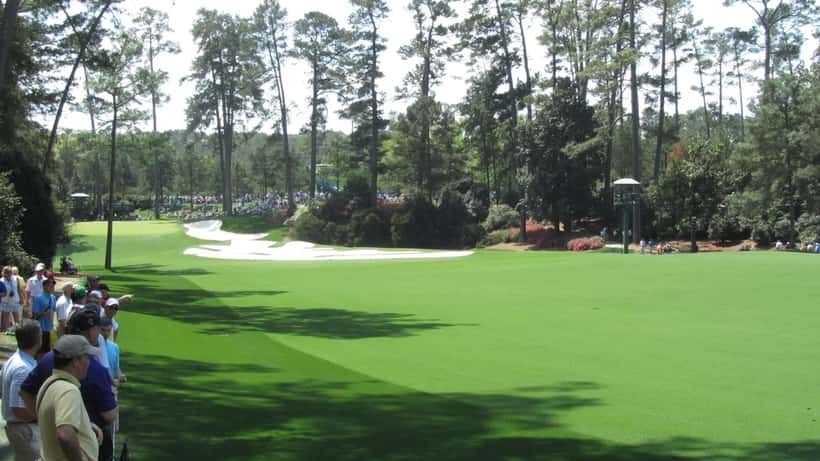
The Masters Tournament wrapped up its final round on April 13, 2026, at Augusta National — and this year, the stakes were higher than ever. With a record-breaking $22.5 million total purse, the 2026 Masters has put the question of financial windfalls front and center for sports fans and everyday Canadians alike.
A Record Payout That Changes the Conversation
This year's Masters offered the largest prize pool in the tournament's history. The winner of the 2026 Masters takes home $4.5 million — in a single weekend, up from the $4.2 million Rory McIlroy won in 2025. Second place earns approximately $2.7 million. Even players finishing outside the top 10 walk away with six-figure cheques.
According to the PGA Tour, the total $22.5 million purse surpasses the U.S. Open's $21.5 million from last year, cementing Augusta National as the most lucrative major on the men's circuit. With top contenders like Rory McIlroy and Cameron Young competing in the final round on April 12, 2026, the spotlight wasn't only on the golf — it was on the jaw-dropping financial stakes.
For golf fans in Canada, watching players pocket these extraordinary sums raises a natural question: what actually happens to that money — and what lessons does it hold for the rest of us when we experience our own financial windfalls?
What Pro Athletes Do (and Often Get Wrong)
The history of professional sports is filled with cautionary tales. Studies estimate that approximately 16% of NFL players file for bankruptcy within 12 years of retirement. NBA and NHL players face similar statistics. Prize money and salaries, no matter how large, can evaporate without disciplined financial planning.
The most financially successful athletes typically follow a few key principles:
Tax planning comes first. In Canada, prize winnings from foreign tournaments are generally considered taxable income. A Canadian golfer winning $4.5 million at Augusta would face significant federal and provincial tax obligations. Working with a tax specialist before touching any funds is not optional — it's essential.
Diversification over celebrity investments. Many athletes are pitched on high-risk "celebrity ventures" — startups, restaurants, vanity projects. Wealth advisors consistently recommend building a diversified core portfolio (index funds, real estate, bonds) before allocating any portion to speculative plays.
Trusts and estate planning. Athletes with dependents or complex family situations often benefit from establishing family trusts. This protects wealth across generations and can reduce the overall tax burden significantly.
Spending discipline. According to Statistics Canada, many Canadians who receive lump-sum payments — whether from inheritance, a home sale, or bonus — spend a disproportionate amount within the first 12 months. Setting a 90-day "cooling off" rule before major purchases is a commonly recommended strategy among wealth professionals.
The Windfall Mistake Most Canadians Make
Whether you receive $4.5 million or $45,000 — from a bonus, an inheritance, the sale of a business, or a severance package — the psychological challenge is the same. Sudden money triggers impulsive decision-making.
Common mistakes Canadians make when they receive a windfall include:
- Paying off low-interest mortgage debt aggressively while ignoring higher-interest liabilities
- Gifting large sums to family members without fully understanding tax implications
- Failing to update wills, beneficiary designations, and insurance policies after a financial change
- Investing a lump sum all at once during a market peak (dollar-cost averaging over 12-18 months is usually a safer strategy)
- Taking on new debt to "invest" a windfall in illiquid or high-risk assets
The real advantage professional athletes have is access to a dedicated team: a wealth manager, a tax lawyer, and an accountant working in concert. Most Canadians attempt to navigate windfalls alone, without any professional guidance — and pay a steep price for it.
How a Wealth Management Advisor Can Help
The answer to "when should I call a wealth advisor?" is simple: before you spend a dollar.
A qualified wealth management specialist can:
- Model different tax scenarios to minimize your overall tax liability in the year of receipt
- Design an investment strategy suited to your risk tolerance, time horizon, and life goals
- Set up appropriate legal structures (trusts, holding companies, registered accounts) where beneficial
- Create a realistic and sustainable withdrawal plan so the windfall serves you for decades, not months
- Coordinate with your accountant and estate lawyer to ensure every piece of the puzzle fits
Even if you're not a PGA Tour golfer, receiving an unexpected financial sum — from selling a home in a strong market, a legal settlement, a corporate bonus, or a retirement payout — can be genuinely life-changing if managed correctly. The window to make good decisions is usually short; the consequences of poor decisions can last a lifetime.
The Masters Reminds Us That Wealth Is a Skill
The 2026 Masters is a spectacular sporting event that captivates millions of Canadian viewers every spring. But beyond the green jackets and birdie putts, Augusta National is also an annual reminder that generating wealth and sustaining wealth are two entirely different skills.
Pro golfers spend thousands of hours perfecting their swing. Protecting the financial rewards of that work — and building lasting security for themselves and their families — requires an equally serious commitment to financial planning. And usually, expert guidance.
If you've recently received — or are expecting — a significant financial windfall, consulting a qualified wealth management advisor is the single most important first step you can take. A specialist can review your full financial picture and help you build a plan that outlasts the excitement of the moment.
This article is for informational purposes only and does not constitute financial or tax advice. Consult a licensed wealth management professional or tax advisor for guidance tailored to your personal situation.
