 Chloé Dubois
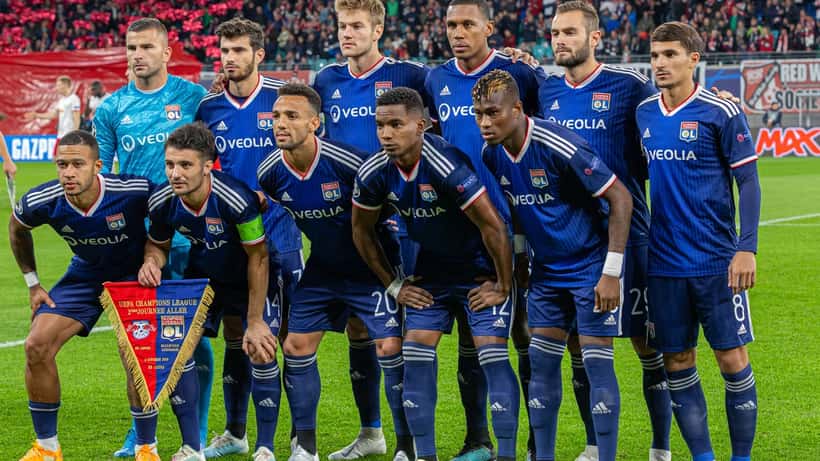
Olympique Lyonnais sits in fourth place in Ligue 1 with 60 points after 33 matches, locked in a tight battle for European qualification as the 2025-26 French football season reaches its final weeks. On May 17, 2026, they face Lens in a match that could determine whether Lyon secures Europa League football next season. For Canadian football fans watching the game, millions will also place a wager — and many may not fully understand their legal rights when doing so.
Lyon's 2025-26 Season: What's at Stake
Olympique Lyonnais has been one of the more compelling stories in European football this season. With 18 wins, 6 draws, and 9 losses from 33 Ligue 1 appearances, the club has rebuilt significantly from financial difficulties that plagued it in recent years. A 4-2 victory over Rennes on May 3, followed by a 1-2 defeat at Toulouse on May 10, leaves Lyon needing points in their final fixtures to secure fourth position and the Europa League spot it carries.
The club's parent company, Olympique Lyonnais Groupe (OLG), reported revenues of €163.6 million for the first nine months of the 2025-26 fiscal year, including an 8% increase in commercial revenue, though the decline in Ligue 1 television rights has weighed on overall activity revenue.
The sporting drama has attracted renewed Canadian interest in a club that boasts one of the more celebrated histories in French football — seven consecutive Ligue 1 titles between 2002 and 2009, multiple UEFA Women's Champions League victories, and a European pedigree that resonates with Canadian fans of the game.
Sports Betting on Ligue 1 in Canada: The Legal Landscape
Since Canada's federal government passed Bill C-218 in August 2021 — amending Section 207 of the Criminal Code to permit single-event sports betting — provinces have moved at different speeds to regulate and offer legal wagering products. Ontario launched its open iGaming market in April 2022, bringing licensed international operators including BetMGM, FanDuel, PointsBet, and DraftKings into the regulated fold alongside provincial products like PROLINE+.
Other provinces still route legal sports betting through provincial Crown corporations. British Columbia, Quebec, Alberta, and Manitoba each have their own regulated products, though the range of markets — including European football competitions like Ligue 1 — varies by provider.
The central distinction for Canadian bettors is between licensed operators and offshore, unlicensed sites. Tens of thousands of Canadians continue to use offshore platforms that operate without a Canadian licence. While placing a bet on an offshore site is not a criminal offence for individual consumers under current law, these platforms operate outside of Canadian regulatory protection.
What "Regulated" Actually Means for You
When a Canadian bets through a licensed operator, they receive protections that simply do not exist on offshore platforms:
Dispute resolution mechanisms. Licensed operators in provinces like Ontario are subject to oversight by the Alcohol and Gaming Commission of Ontario (AGCO). If a licensed site refuses a payout or locks an account improperly, the bettor has an official complaint pathway. On offshore platforms, there is no regulatory body to turn to.
Responsible gambling tools. Canadian-licensed platforms are required to provide deposit limits, self-exclusion tools, and responsible gambling referrals. These are regulatory requirements, not optional features. Offshore operators may offer them voluntarily — or not at all.
Age and identity verification standards. Licensed platforms in Canada are required to verify the identity of all account holders. This protects against fraud and ensures that winnings can be traced, taxed appropriately, and paid out to the correct individual.
Tax treatment of winnings. Canadian gambling winnings from recreational betting are generally not taxable for individual bettors. However, if the Canada Revenue Agency determines that betting constitutes a business activity — based on frequency, sophistication, and reliance on winnings as income — those winnings may be taxable. This distinction is not always clear-cut, and the line between recreational and professional betting is a question that employment and tax lawyers occasionally address.
When Sports Betting Becomes a Legal Question
Most Canadians who wager on matches like Lyon vs. Lens never need legal advice. But several scenarios can change that calculation:
A bet placed on an unlicensed platform leads to a disputed payout, and the platform becomes unresponsive. A self-exclusion request is not honoured, leading to significant financial losses. A bettor believes a licensed operator's odds were misrepresented, or that an account was closed in bad faith. An individual's betting activity becomes substantial enough that tax implications arise.
In each case, a lawyer specializing in consumer law, entertainment law, or tax law may be better equipped to advise on next steps than a customer service representative.
Watching the Match Responsibly
For the majority of Canadians tuning into Lyon vs. Lens today, the legal framework will remain invisible — as it should be when it's working correctly. Licensed betting, clear-eyed bankroll management, and an understanding of what you are and are not entitled to as a consumer are the baseline for responsible engagement with legal sports wagering in Canada.
If you have encountered a dispute with a sports betting platform, or if your gambling activity has reached a level where legal or financial advice is relevant, ExpertZoom connects you with qualified legal and financial professionals across Canada.
This article is for informational purposes only and does not constitute legal advice. Consult a qualified lawyer for guidance specific to your situation.
