 Stéphanie Fournier
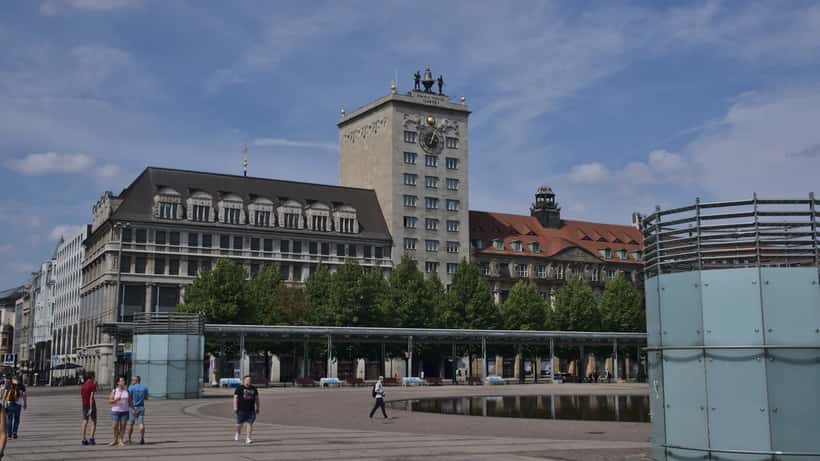
A car drove into a crowd of pedestrians on Grimmaische Strasse in central Leipzig, Germany, on May 4, 2026. Two people were killed and more than 20 others were injured in the attack near Augustusplatz, one of the city's busiest public squares. Leipzig Mayor Burkhard Jung confirmed the fatalities and announced that the suspect had been apprehended. As of this writing, the incident is under active investigation.
Leipzig is one of Germany's most visited cities, particularly during spring and summer. With an estimated 50,000 Canadians visiting Germany each year, incidents like this — however rare — raise questions that Canadian travellers and their families often don't think about until it is too late.
What Happens to Canadians Caught in a Public Incident Abroad
If you or a family member is caught in a violent incident on foreign soil, the first practical step is reaching the nearest Canadian consulate or embassy. Canada maintains a consular presence in several German cities, including Berlin, Frankfurt, and Munich. In a mass casualty event, consular officers can assist with:
- Confirming the identity and status of Canadians to anxious families back home
- Coordinating with local hospitals and emergency services
- Helping Canadians who need emergency travel documents if their ID was lost or destroyed
- Facilitating repatriation in the most serious cases
Canadians are encouraged to register with the Registration of Canadians Abroad (ROCA) service before travel — this makes it substantially easier for consulates to locate and contact you during an emergency.
What Your Travel Insurance Should Cover — and Often Doesn't
Most Canadians purchase travel insurance focused on medical evacuation and trip cancellation. Fewer purchase specific coverage for civil unrest or terrorism-related incidents, which is where legal grey zones often emerge after events like the Leipzig attack.
Standard travel insurance policies may cover:
- Emergency hospital treatment and surgery arising from a violent incident
- Medical evacuation back to Canada if you are medically stable to transport
- Death benefits and repatriation of remains
What standard policies typically do not cover without add-ons:
- Psychological counselling and trauma support after returning home (check your policy — PTSD-related care from a foreign incident is often excluded or capped)
- Legal costs associated with a civil claim in Germany against the perpetrator or third parties
- Income replacement if you cannot return to work due to physical or psychological injuries sustained abroad
If you are planning travel to Germany or any country where public gatherings are common, reviewing your policy's "violence and terrorism" exclusions with a travel insurance specialist is a worthwhile 15 minutes before departure.
Victims' Rights in Germany
Germany has a robust victim compensation system. The Opferentschädigungsgesetz (OEG), Germany's Victims Compensation Act, provides financial assistance to victims of intentional violent acts, including foreign nationals who are victimized on German soil. Compensation can include:
- Medical treatment costs
- Rehabilitation expenses
- Pension payments for permanent disability
- Payments to the families of those who died
Filing a claim under the OEG requires navigating German administrative processes, which can be difficult from abroad and in a second language. A lawyer familiar with international victim compensation or German civil law can help. Canadian law firms with international practice or access to German associate counsel can assist with cross-border claims.
Similar programs exist in many other EU countries. If you are injured during travel anywhere in the European Union, asking your Canadian lawyer about local victim compensation programs is worth doing before pursuing any insurance claim — sometimes the two can be combined.
The Mental Health Dimension
Witnessing or surviving a violent public event is a traumatic experience, even for those who are not physically injured. Canadian health authorities recognize that acute stress reactions — flashbacks, insomnia, hypervigilance, avoidance — can emerge in the days and weeks following an event like the Leipzig attack, even among those who were not directly in the crowd.
If you were in Leipzig today and experienced the incident, seeking professional support upon return to Canada is not a sign of weakness — it is a recognized medical response. Many Canadians avoid seeking mental health care for trauma because they feel they were "not close enough" to the event. Research does not support this threshold. Physical proximity to violent trauma is not a prerequisite for a legitimate stress response.
As Canadian travellers faced with other overseas emergencies have found, the aftermath of an emergency event abroad often extends well past the day of return.
Before Your Next Trip to Europe: A Legal Checklist
The Leipzig incident is a reminder that travel safety extends beyond weather apps and hotel reviews. Before your next trip:
Review your travel insurance exclusions: Understand what "civil unrest" and "terrorism" mean in your policy and whether they require specific government advisories to trigger coverage.
Register with ROCA: Takes five minutes and ensures Canadian consulates can find you in an emergency. Free to register through the Registration of Canadians Abroad service on travel.gc.ca.
Document your belongings and ID: Keep digital copies of your passport, insurance cards, and credit card numbers in a secure email draft accessible from any device.
Know the local emergency number: In Germany and most EU countries, 112 is the universal emergency line.
Check your provincial health plan's foreign coverage: Most Canadian provincial health plans reimburse only a fraction of foreign emergency costs. Your travel insurance is the backstop — know what it covers.
On ExpertZoom, Canadian lawyers with international experience can help you review travel insurance claims, understand foreign victim compensation rights, and plan the legal dimensions of international travel — before you need it.
