 Patrick Roy
Every spring, millions of Canadians pick up a paintbrush. This April 2026, "paint" is trending across Canada — and for good reason. Spring is the peak season for home renovations, and with housing prices driving older stock back into play, more Canadians than ever are cracking open the walls of pre-1980 homes. What many don't know is that those walls may be hiding a hazard that has been illegal to sell for decades: lead paint.
Why Spring Renovations Trigger a Hidden Health Risk
Lead-based paint was widely used in Canadian homes built before 1976, the year Health Canada restricted lead content in residential paint to 0.5% by weight. Homes built between 1976 and 1990 may still contain lead paint, particularly in older layers beneath newer coats.
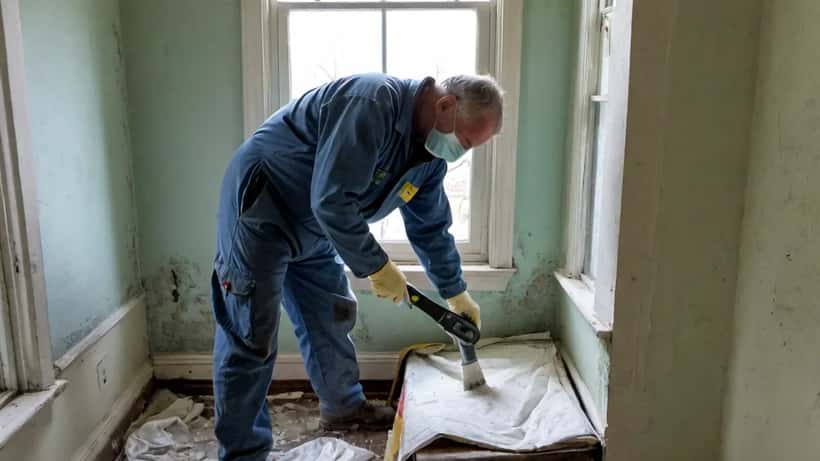
According to Health Canada's lead-based paint guidance, intact lead paint that is not disturbed poses minimal risk. The danger begins the moment you start sanding, scraping, drilling, or demolishing — activities that are the bread and butter of any spring renovation project.
When lead paint is disturbed, it releases fine dust particles that settle on floors, furniture, and children's toys. This dust is invisible, odourless, and extraordinarily toxic, particularly for children under six and pregnant women. Lead exposure can cause lasting damage to the brain, kidneys, and nervous system — effects that do not reverse once they occur.
The Scale of the Problem in Canada
Canada has millions of homes built before 1980 that still contain lead paint. Many of these properties are now entering a second or third wave of renovation, as buyers seek affordable housing in competitive markets and investors flip older stock. In cities like Toronto, Hamilton, Montreal, Halifax, and Vancouver — where pre-war and post-war housing stock remains abundant — the risk is especially concentrated.
The trend is compounded by a DIY culture that has exploded since 2020. Online tutorials make stripping paint, refinishing floors, and opening up walls look accessible. Few of those videos mention testing for lead first.
What to Do Before You Pick Up a Sander
The single most important step before any renovation in a pre-1980 home is testing for lead paint. Home lead test kits are available at most hardware stores for under $30 and can give a preliminary result in minutes. However, these kits can produce false negatives on certain surfaces and don't detect lead in dust or soil. For a definitive assessment, a certified renovation contractor trained in lead-safe work practices can provide professional testing and remediation.
In Canada, contractors who work in homes with lead paint are subject to federal and provincial occupational health regulations. A renovation professional familiar with these standards will use wet methods (to suppress dust), HEPA vacuums, proper containment, and disposal protocols that protect both your family and their workers. Choosing an uncertified or inexperienced contractor for a pre-1980 renovation can expose your household to levels of lead dust that linger for months after the project ends.
Warning Signs Your Home May Have Lead Paint
- Exterior paint that has a cracked, alligator-scale appearance
- Multiple layers of old paint in rooms built before 1980
- Chalky dust near windowsills and door frames in older properties
- Children in the household showing unexplained symptoms such as irritability, fatigue, or developmental delays (seek medical attention immediately)
If you are buying or selling an older home, lead paint is a disclosure issue in many provinces. A real estate lawyer can advise you on your obligations as a seller, and a home inspection report that identifies lead risk can be a significant negotiating factor in any offer.
The Spring 2026 Context: Higher Risk Than Usual
This spring has brought particular pressure to Canada's housing renovation market. Continued interest in pre-existing housing stock — driven by affordability challenges in new construction — means more Canadians are tackling older homes with little to no professional guidance. The "paint" trend dominating Canadian searches right now is not just about colour palettes and new looks; it reflects a deeper wave of home transformation that, without proper precautions, carries real health consequences.
Environmental assessors note that the risks are not limited to the interior: old exterior paint that has weathered and chipped can contaminate soil around the foundation, where children play.
Getting Expert Help Before You Start
A certified home improvement contractor with experience in heritage or older properties is your first line of defence. Before any spring project begins in a home built before 1980, a professional assessment can identify where lead paint exists, whether it poses a risk in its current condition, and how to safely manage the renovation.
If you suspect your home already has a lead contamination issue — because of a recent renovation or visible deterioration — a health assessment for family members, particularly children, is also warranted. Lead blood level tests are available through your provincial health system.
Spring is the season to make your home look new again. With the right expert guidance, you can do it without putting your family's health at risk. A qualified home renovation professional can be found through Expert Zoom, where certified tradespeople and renovation experts are available to assess your project and ensure it is done safely.
This article is for informational purposes only. For health concerns related to lead exposure, consult a qualified healthcare provider. For renovation guidance, consult a certified contractor with lead-safe work training.
