 Olivia Dubois
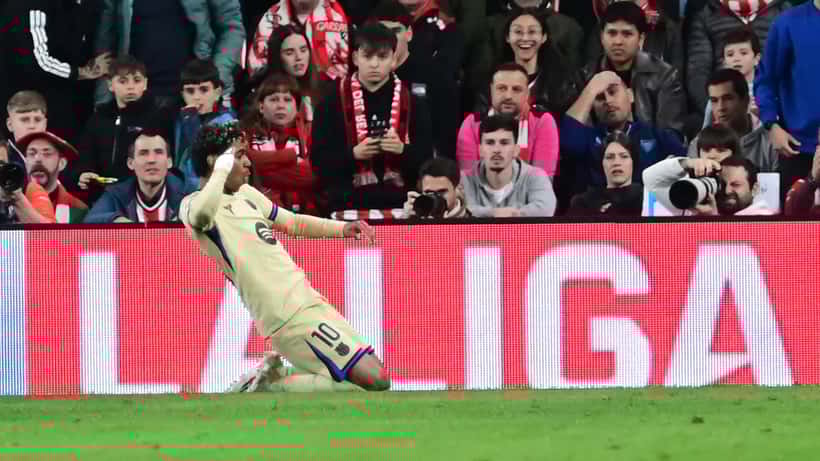
On April 11, 2026, Lamine Yamal became the youngest player in history to make 100 appearances in La Liga, at just 18 years and 272 days old — surpassing a record held by Real Madrid legend Raúl González for decades. Yamal plays for FC Barcelona, where he has already scored 14 goals and added 9 assists this season. For Canadian parents watching the World Cup 2026 host nation's brightest young star, the question arises: what does elite youth athletic performance really mean for a teenager's body and mind?
The Record That Shocked the Football World
When Yamal stepped onto the pitch for Barcelona versus Espanyol on April 11, 2026, he crossed a threshold that no footballer had crossed before at such an age. The previous record was held by Raúl González, who reached his 100th La Liga match at 19 years and 284 days old. Yamal did it more than a year younger — at 18 years and 272 days.
His 2025-26 La Liga season statistics speak for themselves: 14 goals, 9 assists, 2,134 minutes played, and an average rating of 8.31 on FotMob. He scored his first career hat-trick on February 28, 2026, in a 4-1 victory over Villarreal — becoming only the second Barcelona player alongside Lionel Messi to score in four consecutive matches across different competitions.
Spain's World Cup 2026 squad — with matches to be played across the USA, Mexico, and Canada this summer — almost certainly includes Yamal as a key figure. Canadian fans will watch him live this summer, which partly explains why his name is trending so heavily here.
When Talent Comes Too Early: The Physical Toll on Young Athletes
Yamal's story is extraordinary — but it also raises questions that Canadian parents and coaches deal with every day. What happens to a teenager's body when they train and compete at professional intensity?
According to Sport Medicine Canada, adolescent athletes are at significantly higher risk for specific injuries than adults. Growing bones, developing tendons, and maturing joints simply respond differently to high-volume training. The growth plate — the zone of cartilage at the end of long bones — is particularly vulnerable until a young person finishes puberty, typically between 16 and 20 years old.
Common injuries in elite youth sport include:
- Osgood-Schlatter disease — pain and swelling just below the knee, particularly in teen soccer and basketball players
- Sever's disease — heel pain caused by inflammation of the growth plate, common in young runners and soccer players
- Stress fractures — tiny cracks in bone caused by repetitive training loads that exceed the bone's capacity to repair itself
- Apophysitis — inflammation at the sites where tendons attach to bone, common in throwing athletes and cyclists
These are not rare conditions. In Canada, organized minor sport involves more than 3 million children and youth. Studies suggest that up to 35% of youth athletes experience at least one overuse injury per season.
The Mental Health Side of Early Fame
Beyond physical health, Yamal's story has highlighted an often-overlooked dimension of elite youth sport: the psychological pressure of performing at the highest level while still a teenager.
In early April 2026, Yamal attracted media criticism after showing visible frustration during a Barcelona win — reportedly upset that his coach substituted him for not passing when he wanted to shoot. Journalist Manolo Lama publicly stated, "This boy has fame too early." Barcelona head coach Hansi Flick publicly defended Yamal, saying: "He's only 18, sometimes he's angry when I substitute him... he's emotional, and this is good."
This exchange captures something that sports physicians and child psychologists consistently flag: the emotional maturity required to handle elite competition is a distinct skill, separate from athletic ability. Canadian youth athletes competing in hockey, soccer, swimming, or gymnastics face similar pressures — just at a different scale.
Warning signs that a young athlete may need professional support include:
- Persistent anxiety before competitions that interferes with sleep or appetite
- Emotional outbursts or withdrawal after losses
- Loss of enjoyment in a sport they previously loved
- Signs of burnout: fatigue, irritability, declining performance despite continued training
- Fear of injury to the point of avoiding play
When Should Canadian Parents Consult a Sports Medicine Doctor?
The biggest mistake parents make is waiting too long. In Canada, access to sports medicine physicians and pediatric sports health professionals has expanded significantly in recent years, but the cultural tendency remains to "push through" pain or dismiss emotional struggles in young athletes as normal competitive stress.
Consult a sports doctor when your child athlete:
- Complains of pain that persists more than 48 hours after activity — particularly joint pain, heel pain, or pain along the shin bones
- Shows a change in gait, movement mechanics, or playing style — often a sign of compensating for an undiagnosed injury
- Has had a sudden decline in performance without obvious cause (illness, distraction)
- Is returning from a significant injury — return-to-sport protocols for youth athletes differ from adults, and require professional clearance
A sports medicine physician can also evaluate whether a young athlete's training load is age-appropriate. The Canadian Academy of Sport and Exercise Medicine recommends that youth athletes take at least one full day of rest per week, and at least one to two months per year away from their primary sport.
For athletes who are genuinely elite — competing at provincial, national, or international levels — a multidisciplinary team including a sports doctor, physiotherapist, and sports psychologist is the standard of care, not a luxury.
What Yamal's Story Teaches Us About Youth Development
Lamine Yamal's achievement is genuinely remarkable: 100 La Liga appearances before most people his age have completed their university first year. But the global fascination with his story is also a reminder of how unusual his path is — and how different it is from what the vast majority of young athletes need.
For Canadian families, the more relevant question is not "how do I create the next Yamal?" but "how do I support my child to compete healthily, enjoy sport, and protect their long-term physical and mental wellbeing?"
A paediatrician or sports medicine physician is your first port of call for any concern about your young athlete's health. ExpertZoom connects Canadian families with experienced health professionals — including sports medicine doctors and paediatricians — who can provide guidance tailored to your child's age, sport, and development stage.
Yamal himself has faced injury setbacks this season — a reminder that even the world's most gifted young athlete needs proper medical support. Your child deserves the same.
Disclaimer: This article is for informational purposes only and does not constitute medical advice. Always consult a qualified healthcare professional for concerns about your child's health.
