 Emilie Wang
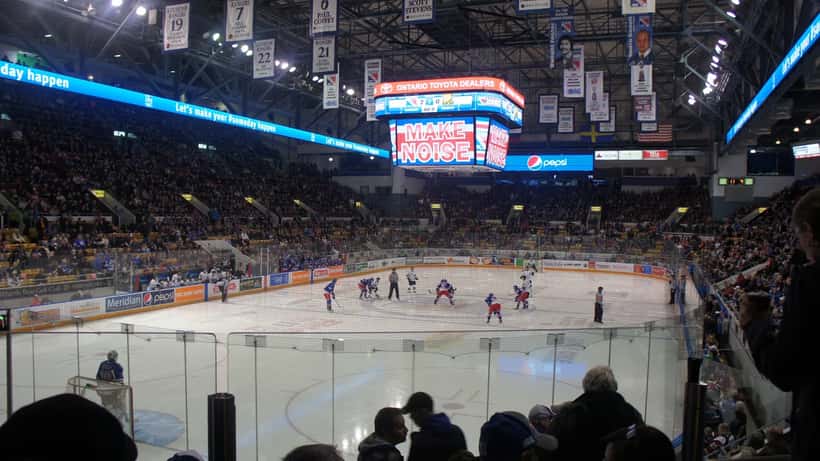
Dylan Edwards scored at 17:33 of overtime on May 1, 2026, and the Kitchener Rangers did something they hadn't done in 18 years: punched their ticket to the OHL Championship Series. The 5-4 overtime win over the Windsor Spitfires was a landmark moment for a program starved of deep playoff runs. Now the Rangers await their Finals opponent — either Barrie or Brantford — in a series that could begin as early as May 6 at The Aud.
For Kitchener and the OHL, the Finals represent everything junior hockey builds toward. But behind the overtime celebrations and sold-out arenas, there's a legal side of junior hockey that too few players and families understand before it matters: what exactly a 16-year-old owes a CHL team — and what that team owes them.
The OHL Standard Player Agreement: What You're Actually Signing
Every OHL player signs a Standard Player Agreement. At 16 or 17, that typically means a parent or guardian co-signs on behalf of the minor. The contract binds the player to one team and covers education, billets, and performance expectations — but the implications go well beyond hockey.
Under the OHL's framework, players must comply with the team's training, travel, and appearance requirements. A breach — even something as seemingly minor as an undisclosed off-ice training arrangement — can have contract consequences. Players who leave voluntarily or are released before their OA expires may lose certain scholarship protections.
Most families focus on the excitement of a first OHL callup. Lawyers who specialize in sports contracts recommend reviewing the Standard Player Agreement carefully before signing, paying particular attention to:
- Scholarship fund provisions and when they vest
- Release clauses and what triggers them
- What happens to the agreement if the player sustains a significant injury
- Any exclusivity provisions that affect endorsements or amateur status
The Scholarship Benefit — and Its Conditions
One of the most significant — and most misunderstood — components of an OHL contract is the education scholarship. The CHL offers eligible players an education package worth up to four years of post-secondary tuition, paid at the rate of one year per year of CHL service. Players who are released still receive their accrued scholarship years.
However, the scholarship has conditions that players and families frequently overlook:
Use-it-or-lose-it timeline: Under CHL rules, players generally have a finite window to use their scholarship funds after their playing career ends. Missing this window means forfeiting significant financial value.
Institution eligibility: Not all schools qualify. Confirming your intended program is on the approved institution list before you enroll avoids a costly surprise.
If the team goes bankrupt or relocates: A scenario that sounds remote but is not impossible — what happens to the scholarship fund if a franchise folds? The CHL has protocols in place, but they are not always well-publicized. A sports lawyer can advise on how to document and secure your entitlement before issues arise.
Injury During Playoffs: Your Rights as an OHL Player
The Kitchener Rangers' run to the Finals means intense gameplay through mid-May. Junior hockey at this level carries genuine injury risk — and the question of how those injuries are covered is one many families discover only when something goes wrong.
OHL players are covered under the CHL's group insurance and the team's own coverage for game-related injuries. But the coverage has limits, and disputes about whether an injury was "game-related" versus sustained during unofficial training can become contentious.
Under Ontario's Employment Standards Act and related provincial legislation, minor athletes' agreements must comply with youth employment provisions — including limitations on hours of work, rest requirements, and conditions that protect minors from exploitative contract terms. Injury documentation and immediate reporting to team medical staff is essential for insurance claims. Players who delay reporting an injury or who do not follow the team's medical protocol may find their claims disputed.
In serious injury cases — concussion, orthopedic surgery, career-ending conditions — families should consider consulting an independent sports lawyer rather than relying solely on the team's medical and insurance infrastructure. The team and the player's interests are not always the same in an insurance dispute.
What OHL Players Can Learn from Professional Athletes
At the same time Kitchener celebrated their overtime win, professional athletes in leagues with more robust CBAs were navigating their own contract challenges. Junior hockey players operate without a union and without collective bargaining — making individual contract literacy more important, not less.
A few practical steps for OHL players and families at this stage of a playoff run:
Document everything: Track appearances, practice attendance, and any verbal communications about your development or role. In a future dispute, this timeline matters.
Know your release rights: If a team wants to release a player during the season, the timing and conditions of that release interact with scholarship accrual. A player let go in February and one let go in May may have meaningfully different entitlements.
Consider independent representation before draft year: Many families wait until the NHL Draft to think about agents. Sports lawyers can provide valuable, non-agent guidance on contract terms throughout the OHL career, including during the scholarship window.
Celebrating the Moment — and Preparing for What Comes Next
The Kitchener Rangers and their families have earned a chance to celebrate one of the best playoff runs in franchise history. The OHL Championship Series is the pinnacle of junior hockey in Ontario, and making it back for the first time since 2008 is a genuine achievement.
But the same energy that drives players through overtime goals should drive families to understand what their son or daughter signed, what protections they have, and what steps to take if something goes wrong — on or off the ice.
On ExpertZoom, Canadian sports and employment lawyers offer consultations for OHL players, families, and billet families navigating contract questions, injury disputes, or scholarship planning. The call takes minutes; the protection it provides can last a career.
