 Eliza Perron
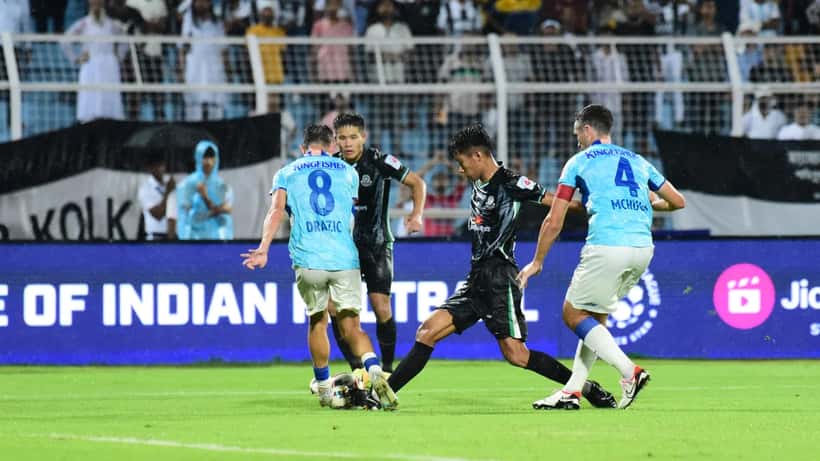
Kerala Blasters host FC Goa tonight — May 18, 2026 — at Jawaharlal Nehru Stadium in Kochi for their final Indian Super League match of the 2025-26 season. Kick-off is at 19:30 IST, and for a team riding a five-match unbeaten run, it is a chance to finish the campaign with something to celebrate after a difficult year.
For the millions of Canadians who follow the ISL through streaming platforms and diaspora communities in Toronto, Vancouver, and Calgary, this match is more than football. It is also a reminder of how professional sports contracts work — and how little protection athletes often have when the final whistle blows.
The Kerala vs. Goa Rivalry, by the Numbers
FC Goa hold a commanding historical record against Kerala Blasters: 13 wins to Kerala's 5 across 22 all-time meetings. Their most recent clash, in February 2025, ended 2-0 in Goa's favour. Kerala enters tonight's match having won their last three consecutive games, including a dramatic 3-1 comeback victory over Mohammedan Sporting. With 14 points from 12 matches, the Blasters sit eighth in the standings — out of playoff contention but playing with renewed confidence.
Both clubs are expected to field full-strength lineups as players push to impress ahead of contract reviews. In professional football, the final game of the season often carries added personal stakes: bonuses tied to appearances, performance clauses activated by goals or clean sheets, and release decisions made within days of the last match.
End of Season: The Moment Contracts Become Critical
Canadian sports fans often think of athlete contracts in terms of the headline numbers — the multi-million dollar deals signed by NHL stars or the transfer fees that make headlines when ISL clubs recruit internationally. What receives less attention is what happens to the vast majority of professional athletes: those on short-term deals facing uncertainty as the season closes.
In Canada, sports contracts are governed by general contract law principles combined with provincial employment standards legislation. Unlike standard employment relationships, many professional athletes sign fixed-term contracts with no automatic renewal rights. When that contract expires, the club has no obligation to offer another one. Three situations commonly arise at season's end:
Contract expiry without renewal. If a player's fixed-term contract reaches its end date with no renewal offer, the relationship terminates automatically. There is no legal requirement for severance or notice in most circumstances — something that surprises many athletes who assumed club loyalty would translate into continued employment.
Buyout provisions. Some clubs prefer to terminate contracts before they expire, particularly when squad restructuring is needed. Buyout clauses — which define how much the club must pay to end the contract early — are enforceable only when clearly worded. Ambiguous terms have led to disputes in Ontario, British Columbia, and Quebec courts, often resolved in favour of the athlete when the contract language was vague.
Transfers and the right to negotiate. When a player transfers between clubs, multiple financial elements come into play: loyalty bonuses, image rights, training compensation, and the distribution of any transfer fee. Athletes who negotiate these terms without legal representation frequently leave significant value on the table.
The Canada Labour Code sets baseline protections for federally regulated employees, but most athletes operate under provincially governed contracts. A sports lawyer familiar with the applicable provincial legislation can identify gaps in a player's contract before they become costly.
What Canadian Amateur and Semi-Professional Sports Organizations Must Know
The contract law issues affecting ISL clubs like Kerala Blasters and FC Goa are not unique to elite professional sports. Across Canada, thousands of sports organizations — community football clubs, youth academies, regional sports associations, and fitness facilities — operate with formal contracts for coaches, trainers, and seasonal staff.
For these organizations, three practices can significantly reduce legal exposure:
Specify exact contract dates. Courts across Canada have repeatedly found in favour of employees when contracts referred vaguely to "end of season" or "conclusion of the schedule" instead of a calendar date. If a club intends to end the relationship on June 30, 2026, the contract must say exactly that.
Include termination clauses with proper notice periods. In the absence of a valid fixed-term contract, most provincial employment standards acts require reasonable notice of termination. In Ontario, for example, the Employment Standards Act sets minimum notice periods based on length of service. Organizations that fail to provide notice face liability for wages in lieu.
Treat non-compete clauses with caution. Canadian courts scrutinize restrictive covenants heavily. Non-solicitation clauses (preventing an employee from approaching former clients) are generally more enforceable than broad non-compete clauses (preventing someone from working in the same industry). For sports coaches and performance staff, overbroad non-competes are routinely struck down.
The ISL's Growing Canadian Audience and Sports Betting Law
The ISL's viewership in Canada has grown significantly alongside South Asian immigration. Ontario's iGaming market — launched in April 2022 under the oversight of iGaming Ontario — includes licensed operators that offer betting on international football, including the ISL.
Canada's Single-Event Sports Betting Act (Bill C-218) legalized single-event wagering nationwide in August 2021, ending decades of parlay-only rules. For Canadians who bet on matches like Kerala vs. Goa, the legal framework is now clearly established — but tax and problem gambling obligations remain complex.
Winnings from sports betting are generally not taxable for casual bettors under the Income Tax Act. However, the Canada Revenue Agency has pursued taxation of individuals whose betting activity constitutes a business, characterized by systematic wagering, professional tools, or consistent profit. The line between hobby and business is not always clear, and a tax professional or legal advisor can help bettors understand where they stand.
When to Consult a Legal Expert
Whether you are a Canadian-born athlete navigating a contract with a local sports club, a team administrator drafting employment agreements, or an ISL fan with questions about betting income and tax obligations, professional legal advice can prevent costly mistakes.
ExpertZoom connects Canadians with qualified lawyers and legal consultants across all provinces who specialize in employment law, contract disputes, and sports-related legal matters. Consultations can be arranged online in minutes, making expert guidance accessible regardless of your location.
As Kerala Blasters take the field for the final time this ISL season, the players on the pitch are not just chasing a result. Many are negotiating the next chapter of their careers. Canadians in sports — at any level — face the same realities. Having the right legal advice on your side makes all the difference.
This article is for informational purposes only and does not constitute legal advice. Consult a qualified lawyer for guidance specific to your situation.
