 Sophie Tremblay
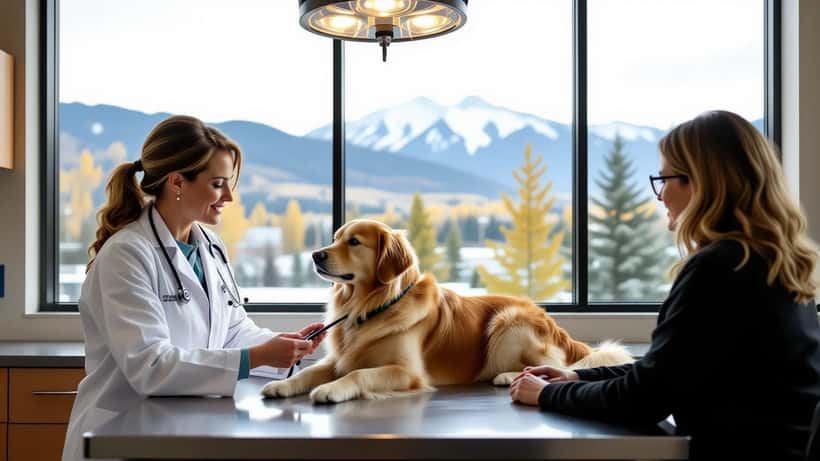
Kelowna's air quality dropped to an orange advisory on August 5, 2026, as wildfire smoke blanketed the Central Okanagan for the third consecutive week — and while residents were urged to stay indoors, thousands of dog and cat owners faced a harder question: is my pet already in danger? Veterinarians are sounding the alarm that the same smoke event making headlines for human health carries a compounded risk for animals, and that most pet owners don't recognize the clinical warning signs until symptoms are already serious.
A Smoke Event That Turned Orange — and What That Level Means for Animals
Environment Canada and the BC Ministry of Environment issued an orange-level air quality warning for Kelowna and the broader Central Okanagan on August 5 and 6, 2026. An orange advisory is not the highest possible designation, but it signals that air quality has deteriorated to a level where exposure can cause harm even to healthy individuals. The warning covered Kelowna, West Kelowna, Lake Country, Peachland, and surrounding communities — an area home to an estimated 230,000 people and their companion animals.
What made August 2026 unusual, according to the BC Air Quality Warnings system, was the persistence of the smoke: the region had experienced wildfire-smoke advisories on and off since mid-July, meaning pets had already been exposed to poor air quality for weeks before the August escalation.
For veterinarians practicing in the Okanagan, this extended exposure is the real concern. A single afternoon of smoky air is very different from three weeks of intermittent-to-moderate smoke, with the body — human or animal — accumulating inflammatory load over time.
Why Wildfire Smoke Hits Pets Harder Than Their Owners
There is a straightforward physiological reason that dogs and cats are disproportionately vulnerable to wildfire smoke: they spend the majority of their time near the ground. Fine particulate matter (PM2.5) — the smallest and most dangerous component of wildfire smoke — settles and concentrates at lower elevations. A dog on a morning walk is effectively breathing air that is measurably worse than what its owner at standing height is inhaling from the same street.
Beyond position, respiratory anatomy matters. Dogs pant to regulate body temperature, meaning they cannot simply "breathe less" during high-pollution periods the way a sedentary human can. Active panting draws large volumes of smoky air deep into the lungs. Cats, for their part, have airways that are highly sensitive to irritants and are prone to feline asthma, a condition that can be triggered or worsened by smoke exposure.
Birds and small mammals — including rabbits, guinea pigs, and pet rats — face even greater risk. Their respiratory systems are extremely efficient at gas exchange, which is precisely the property that makes them sensitive to airborne pollutants at concentrations that mammals with larger lungs can temporarily tolerate.
The particles in wildfire smoke are also chemically complex. They include carbon monoxide, nitrogen oxides, and volatile organic compounds that adsorb onto fine particles, meaning the hazard extends well beyond simple irritation to include systemic toxicological effects with chronic exposure.
The Breeds and Species Most Vulnerable
Within the dog population, brachycephalic breeds — those with flat or compressed faces — face the highest risk during smoke events. Bulldogs, French bulldogs, pugs, Boston terriers, boxers, and shih tzus already breathe with reduced airway efficiency at baseline. During high-smoke conditions, they are the first animals to show respiratory distress and the ones most likely to progress to serious illness quickly.
Senior pets of any breed are the next most at-risk group. Older dogs and cats often have subclinical cardiac or respiratory conditions that go undetected until a stressor like smoke exposure pushes them into symptomatic territory. A ten-year-old Labrador with early heart disease may have shown no symptoms before an orange air quality day; after one is the moment owners often discover the underlying condition — in an emergency.
Puppies and kittens below the age of six months have immune and respiratory systems that are still developing, making prolonged smoke exposure capable of causing damage that has long-term consequences for lung capacity and immune function.
What Happens When Your Dog Spends 20 Minutes Outside During an AQI-7 Warning
To understand the real-world stakes, consider this scenario: a 6-year-old golden retriever in West Kelowna, healthy by all recent accounts, goes for a 20-minute morning walk at 8 a.m. on August 6, 2026, during an active orange air quality advisory.
During those 20 minutes at a moderate pace, the dog will complete approximately 400–500 respiratory cycles. If the Air Quality Health Index (AQHI) reading at that moment is 7 — the lower threshold of the orange "high risk" category — the dog is inhaling air with PM2.5 levels roughly equivalent to a human jogging next to a busy highway. Because the dog is close to the ground and panting, its effective exposure is estimated to be 30–40% higher than that of the owner walking beside it.
Within the first 2–4 hours after that walk, a dog with any mild pre-existing respiratory sensitivity may begin showing subtle signs: slightly increased respiratory rate (normal is 15–30 breaths per minute at rest; early distress may push this to 35–40), reluctance to play, and mild eye irritation. By 6–8 hours, a dog with a brachycephalic conformation or early cardiac disease may have progressed to laboured breathing, coughing fits, or a bluish tinge to the gums — which is a veterinary emergency indicating oxygen deprivation.
If/then framing: if your dog went outside for even a short walk during Kelowna's August 2026 orange advisory and is now resting more than usual or breathing at a rate above 30 per minute at rest, that is already a clinical signal worth a same-day veterinary call. If gum colour has changed or the dog is breathing with an open mouth and crouched posture, that is an emergency requiring immediate care.
The cost of a same-day urgent veterinary consult in the Kelowna area runs approximately $90–$160; emergency after-hours care at a regional emergency veterinary clinic typically begins at $150–$250 for triage. These figures are significantly lower than the cost of managing respiratory complications that develop after a delayed assessment.
Three Signs That Require a Vet Call Today
Veterinarians consistently highlight three symptoms that move a smoke-related pet concern from "watch and wait" to "call now":
1. Respiratory rate above 35 breaths per minute at rest. Count your pet's breaths for 30 seconds while they are lying still and multiply by two. Above 35 in a dog or above 40 in a cat suggests respiratory strain. Above 50 in either species is urgent.
2. Coughing that persists more than 15 minutes or recurs across the day. A single cough or sneeze is a normal irritant response. Repeated, productive coughing — especially if it sounds wet or rattling — indicates that the lower airways are affected.
3. Any change in gum colour. Healthy pet gums are bubble-gum pink. Pale gums indicate poor circulation; blue, purple, or grey gums indicate oxygen deficit. Both are emergencies regardless of the cause.
For cats specifically, open-mouth breathing of any kind is always an emergency and should never be attributed to heat or stress and dismissed.
What to Do Before the Next Advisory — and Why a Vet Consultation Now Makes Sense
The air quality pattern in Kelowna and the Okanagan in summer 2026 is not expected to normalize until late August or September, when seasonal fire weather typically moderates. That means pet owners are managing a recurring hazard, not a one-time event.
Practical steps veterinarians recommend for the coming weeks:
- Keep all dogs and cats indoors during active orange or red advisories. Even a brief outdoor bathroom break should be kept under three minutes.
- If you use air conditioning, keep it running on recirculate mode to avoid drawing outdoor air in.
- Replace HVAC filters with MERV 13-rated filters, which capture PM2.5 particles. A standard filter does not.
- For brachycephalic breeds or senior pets, discuss a precautionary baseline respiratory exam with your vet. A stethoscope check and brief oxygen saturation measurement costs far less than an emergency consultation and gives you a baseline to compare against if symptoms develop.
- Know the location of the nearest after-hours or emergency veterinary clinic before you need it.
The broader concern raised by veterinarians is that wildfire smoke has moved from an occasional, localized hazard to a recurring feature of summers in British Columbia. Pet owners who understand the specific risks — and know the three warning signs that require immediate action — are the ones most likely to get their animals assessed early enough to avoid serious complications.
YMYL notice: This article is for informational purposes only and does not constitute veterinary advice. If your pet is showing respiratory symptoms, contact a licensed veterinarian.
