 Chloé Dubois
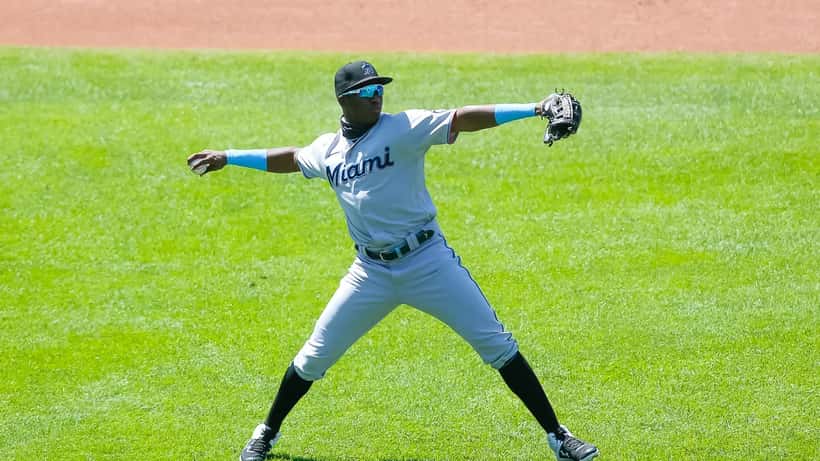
During the sixth inning of a Blue Jays away game against the Baltimore Orioles on June 1, 2026, outfielder Jesús Sánchez glanced back toward the right-field bleachers — and a ball thrown by a teenager in the stands struck his right wrist. The Blue Jays confirmed a bruised wrist; X-rays were negative. The Orioles ejected the young fan and launched a formal investigation.
It was, by any measure, a bizarre incident. But it raises a question that matters far beyond one bruised wrist: when a fan injures a player, staff member, or fellow spectator inside a Canadian sports venue, who bears legal responsibility?
What Happened at Camden Yards
The incident occurred at Oriole Park at Camden Yards in Baltimore during the Blue Jays' Sunday road game, which the Orioles won 9-5. According to TSN and multiple MLB reports, a young fan — estimated at around 13 years old — saw Sánchez briefly gesture toward the outfield bleachers and misread it as an invitation for a game of catch. By the time the teenager released the ball, Sánchez had already turned away. The ball connected hard with his right wrist.
The Orioles issued a statement confirming the fan had been identified, removed from the ballpark, and that the club had begun a "thorough investigation." The Blue Jays announced that precautionary X-rays were negative and that Sánchez was expected to continue playing.
The incident, reported widely by ESPN, CBS Sports, and TSN, quickly went viral — partly because of its sheer oddness, and partly because it underscored how little formal protection athletes have from spontaneous spectator conduct.
Canadian Venues Have a Legal Duty of Care
The Blue Jays call Toronto's Rogers Centre home for their full home schedule. If this exact incident had occurred in Toronto rather than Baltimore, Ontario's Occupiers' Liability Act would apply directly.
Under the Occupiers' Liability Act of Ontario, venue operators — including professional sports stadiums — are legally obligated to take reasonable care to ensure the premises are safe for all persons present. That duty extends to players on the field, staff and crew, and every fan in the seats.
"Reasonable care" is a broad but meaningful standard. Courts in Ontario and other provinces have consistently interpreted it to mean that venues must anticipate foreseeable risks and take active steps to prevent harm. A fan throwing an object from the bleachers and striking an athlete is, arguably, foreseeable — especially at a professional baseball game, where fans and players routinely interact at the edges of the field during warmups and between innings.
Had the incident occurred at Rogers Centre and caused serious injury, the Blue Jays' venue operations team could potentially face a negligence claim. The central question would be whether the organization had adequate systems to monitor and intervene in fan conduct in the outfield bleacher areas.
Three Parties Who Could Share Liability
Canadian tort law recognizes that multiple parties can share liability in an injury involving third-party conduct. Here is how the legal analysis typically unfolds:
The fan (or their guardians). The teenager who threw the ball acted recklessly, even if unintentionally. Canadian courts do hold minors to a negligence standard, adjusted for their age and capacity for foresight. More significantly, parents and guardians of minors can bear vicarious liability for harm a child causes while in their care. If the parents were seated nearby and the child acted without intervention, civil liability toward them is a real possibility.
The stadium operator. Under occupiers' liability legislation — which exists in equivalent form in every Canadian province — the venue can be held partly liable if it failed to exercise reasonable care. That failure might include inadequate supervision of bleacher sections during live play, unclear policies on fan conduct around the field perimeter, or insufficient trained security staff in high-risk areas.
The visiting organization. As a guest using a host venue, the Blue Jays would generally carry limited direct liability for a fan-caused injury at an opponent's ballpark. The occupier — in Baltimore, the Orioles — bears the primary occupier's duty. But at Rogers Centre, the responsibility would fall squarely on Blue Jays management and their venue partners.
In Canada, even where liability is shared among several parties, an injured person retains the right to pursue civil compensation. A lawyer can help assess who is liable and to what degree.
Fan-Caused Injuries: A Growing Concern at Canadian Venues
This is not a one-off type of incident. Objects thrown from the stands — phones, cups, bottles, coins — have struck athletes and officials at various professional events in Canada. An object thrown toward the bench area during a 2023 NHL playoff game in Montreal prompted emergency reviews of fan conduct protocols across the league.
The legal tools available to Canadian venues are real. Under the Ontario Trespass to Property Act and equivalent provincial legislation, stadiums have the authority to remove disruptive fans, ban repeat offenders, and press charges in serious cases. But post-incident removal does nothing for someone who is already injured.
Proactive legal obligations include:
- Clear signage in bleacher areas specifically prohibiting objects being thrown toward the field or players
- Updated terms of entry that explicitly outline fan liability for harm caused to others
- Regular staff training for identifying and de-escalating risks in general admission and outfield sections
What Players and Injured Fans Should Know
Sánchez took the incident in stride. "It happens," he reportedly told reporters after the game, wrist bandaged. But a bruised wrist was the best-case outcome. Blunt trauma to the wrist — depending on the force and angle of impact — can cause ligament damage, tendon injury, or growth-related complications in developing athletes. Blue Jays fans saw earlier this season how quickly wrist and hand injuries can escalate into extended recoveries (Addison Barger's ankle setback offered a reminder of how fast lower-extremity injuries can shift a season's trajectory for a young player).
Whether the injury is minor or serious, athletes and sports workers hurt inside a Canadian venue have recourse under provincial occupiers' liability law. The process begins with documenting the incident, preserving any evidence of negligence, and speaking with a qualified legal professional.
If you or someone you know has been injured at a sports venue in Canada, a lawyer can clarify your rights under provincial occupiers' liability legislation. ExpertZoom connects you with qualified legal professionals across the country.
This article is for informational purposes only and does not constitute legal advice.
