 Olivia Tremblay
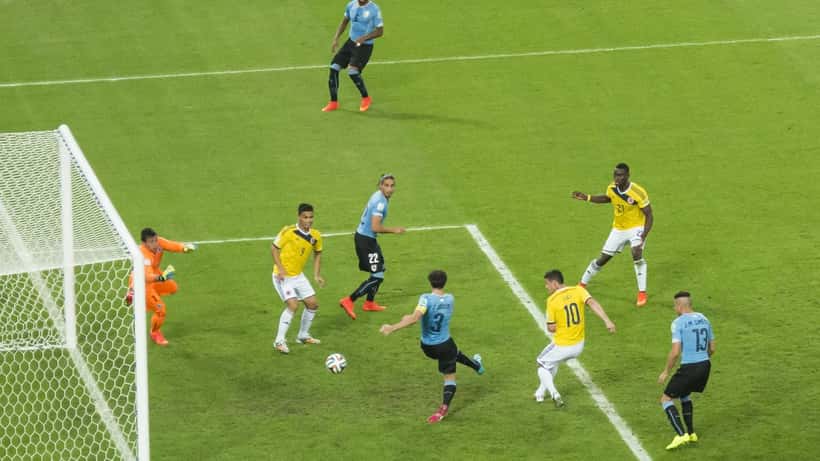
When Jhon Arias buried the ball past Ghana's goalkeeper in the 14th minute at Arrowhead Stadium on July 4, 2026, Colombia's captain James Rodríguez was already making history. At 34 years old and playing at what is widely considered his final World Cup, the man who captivated the planet with six goals at the 2014 tournament in Brazil has now broken Colombia's all-time World Cup appearance record — surpassing the 10 appearances previously shared by legends Carlos Valderrama and Freddy Rincón.
Colombia's 1-0 win over Ghana sends them deeper into the knockout stage. And with it, Rodríguez's career arc raises a question that applies to thousands of Canadians facing their own income transitions: when your peak earning years are behind you, how do you protect what you built?
From Real Madrid to MLS: A 97% Salary Drop in One Decade
In 2015, James Rodríguez was one of the highest-paid footballers on the planet. At Real Madrid, his annual salary hovered around €20 million — roughly $29 million CAD at the time. Endorsements with Adidas, Calvin Klein, Anchor Violet, and six other global brands pushed his total annual earnings higher still, cementing his status as one of sport's most marketable figures following his Golden Boot win at the 2014 FIFA World Cup in Brazil.
By 2026, he earns an estimated $684,000 per season with Minnesota United in Major League Soccer — a reduction of more than 97% from his peak. His current net worth stands at approximately $80 million USD, according to sports financial databases including Celebrity Net Worth and Capology. That figure is a remarkable outcome: it represents peak-era capital that survived a decade-long salary decline.
Sustaining it, however, requires active management — not luck.
Why Compressed Career Timelines Create Financial Risk
Professional athletes face a financial challenge unlike most Canadians: their earning windows are short and front-loaded. Rodríguez's highest-income years — roughly 2014 to 2019, spanning his Real Madrid career, a loan to Bayern Munich, and the brand value generated by his 2014 Golden Boot — lasted approximately five years. Most elite athletes have a similarly narrow window.
The Financial Consumer Agency of Canada notes in its planning resources that sudden high income frequently creates spending commitments — housing, professional staff, family support obligations — that persist long after the income diminishes. Without a deliberate financial plan, even an $80 million fortune can erode faster than most people expect.
Importantly, this risk is not exclusive to professional athletes. Anyone with a compressed earnings peak — commission-based sales professionals, entrepreneurs approaching a business exit, surgeons or consultants at their billing peak — faces the same structural challenge. Income concentration in a narrow window demands a different planning approach than a steady, linear career.
Three Lessons From How Elite Athletes Protect Wealth
Diversify during peak years, not after
Rodríguez reportedly holds business interests and investment positions outside professional football. The core principle: high-income earners should build diversified asset portfolios — real estate, equity holdings, private investments — during the years when surplus capital is available. Waiting until income has already declined means less capital to deploy and fewer compounding years ahead.
Structure cross-border earnings correctly
Rodríguez has earned professional income in Spain, Germany, France, England, the United States, and Colombia across his career. Each jurisdiction carries distinct tax obligations and treaty provisions. A qualified wealth management advisor can legally structure international earnings to reduce tax drag — a difference that can preserve millions that would otherwise disappear through inefficient cross-border arrangements.
Transition away from celebrity-dependent income streams early
Endorsement income is closely tied to competitive performance and public profile. As an athlete's playing career winds down, brand-dependent revenue naturally declines — often before the athlete has finished playing. A sound wealth strategy converts endorsement-era earnings into institutionally managed assets before that decline begins, rather than allowing lifestyle expenses to consume them.
What This Means for Canadian Earners
You do not need to earn $29 million a year for these principles to matter. A Canadian professional earning $200,000 annually at age 45 faces structurally similar choices: how do you ensure that the income of your peak years translates into genuine long-term security, rather than lifestyle obligations that outlast the income?
A certified wealth management expert on ExpertZoom can review your current portfolio allocation, identify gaps in diversification, help you structure tax-efficient savings vehicles, and build a transition plan timed to your actual career arc — not a generic template designed for someone else's situation.
The difference between a professional athlete retiring with $80 million and one who retires broke on identical career earnings almost always comes down to advice received before the income peaked — not frantic restructuring after it declined.
Colombia Eyes the Round of 16 — and Rodríguez Faces His Legacy Moment
With Colombia's 1-0 win over Ghana on July 4, the team advances to the Round of 16. Rodríguez will have at least one more match on the world's biggest football stage — a moment he has prepared for across three World Cup cycles since his debut as a 23-year-old in 2014.
The same discipline that kept him performing at 34 — adapting, planning, adjusting — is precisely the mindset that keeps wealth intact through the career transitions that follow. Watching him captain Colombia through this tournament is a reminder that peak performance in any field eventually ends. What lasts is what you built while it was happening.
This article is for informational purposes only and does not constitute financial advice. Consult a certified wealth management professional before making any financial decisions.
