 Maya MacDonald
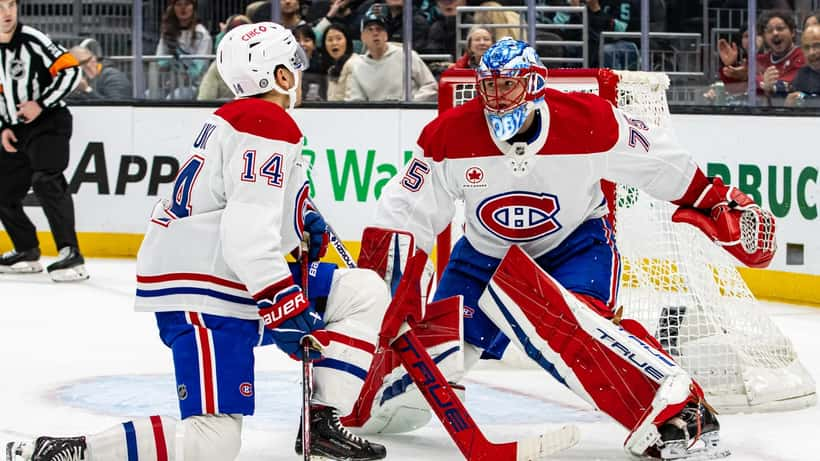
Jakub Dobeš made 37 saves in a single Game 7 against the Buffalo Sabres. He stopped 363 shots across 14 playoff games — the most of any goaltender in the 2026 Stanley Cup postseason — and helped carry the Montreal Canadiens to the Eastern Conference Final. For Canadians glued to playoff hockey, Dobeš has become the 2026 season's breakout story. But behind every split save and desperate butterfly recovery lies a physical reality that sports medicine specialists say deserves far more attention than it gets: what repetitive, high-impact athletic demand actually does to the human body — and what it signals for the millions of Canadians who play hockey at every level.
What a Playoff Run Actually Demands From a Goalie's Body
NHL goaltenders are among the most physically specialized athletes in professional sport. Unlike forwards who skate in open-ice bursts or defencemen who absorb contact, a goalie's musculoskeletal demands are entirely different in nature — and largely invisible to fans watching from the stands.
In a single playoff game, a goaltender like Dobeš performs between 25 and 50 explosive lateral movements: butterfly drops, crease-to-post pivots, pad-stack recoveries, and emergency diving saves. Each one demands coordinated activation of the hip adductors, knee ligaments, and groin complex under peak stress loads. Over a 14-game playoff run following a full regular season, that cumulative load is enormous.
Dobeš went 29-10-4 in the regular season before this postseason began. He then added 14 more games of high-intensity starts, including two Game 7 victories where he faced a combined 67 shots — stopping 65 of them. His .956 save percentage in those two games is extraordinary. So is the demand it placed on his 24-year-old body.
What makes Dobeš's performance particularly impressive from a sports medicine standpoint is that he is not only surviving this workload — he is thriving. After any loss in the playoffs, he has gone 6-0 with a .942 save percentage and 1.77 goals-against average. That pattern of resilience points to exceptional recovery protocols, professional medical oversight, and a conditioning program built to absorb exactly this kind of sustained stress.
The Amateur Hockey Parallel: Why Millions of Canadians Are Paying the Same Price
Here is where the Dobeš story becomes directly relevant beyond the rink at Bell Centre.
Hockey Canada has documented that hundreds of thousands of Canadians are registered ice hockey players, with additional millions participating in recreational leagues, beer leagues, and drop-in hockey across the country. A significant portion of those players are goalies. They crouch, split, and pivot through the same fundamental movements Dobeš executes — just at lower speeds, in colder arenas, with no full-time medical staff watching.
The pattern that sports medicine practitioners see repeatedly is predictable: a recreational goalie plays twice a week through the winter, notices persistent groin tightness after games, assumes it is normal soreness, and keeps playing. Weeks become months. A manageable adductor strain progresses into chronic tendinopathy. A minor hip impingement, left untreated through an entire season, becomes a structural problem requiring physiotherapy or surgery.
The World Health Organization notes that musculoskeletal conditions — including those that originate in repetitive athletic stress — are among the leading causes of pain and disability globally, affecting more than 1.71 billion people. Sports-related overuse injuries are a significant and preventable contributor. The gap between elite athletes and recreational players is not just in skill or speed; it is in the medical attention that catches problems before they compound.
The Injuries That Build in Silence
What distinguishes goaltending injuries from many other sports injuries is that they frequently do not announce themselves dramatically. There is no single twist, no audible pop, no fall. Instead, the hip labrum degrades incrementally. Groin tendons lose their resilience through repetition. Knee joint surfaces absorb wear that accumulates over a season.
The butterfly technique — now essentially universal at all competitive levels down to youth hockey — places the hip in a specific rotation that loads the labrum and anterior capsule in ways that are efficient for goaltending but mechanically stressful over time. Modern analytics have confirmed that Dobeš leads the 2026 playoffs in high-danger saves (88) and midrange saves (128). Every one of those high-danger stops required an explosive recovery from a vulnerable joint position.
For amateur goalies, the risk profile is actually higher in some respects: less consistent technique, inadequate warm-up protocols, and no structured recovery between sessions. A 40-year-old beer league goalie playing back-to-back nights may be loading the same structures a professional goalie loads — but without any of the safeguards that protect the professional.
Recognizing the Signals Worth Taking Seriously
The threshold for seeking professional sports medicine advice is lower than most Canadian athletes believe it needs to be. The following patterns consistently warrant assessment rather than wait-and-see management:
- Groin or hip discomfort that persists beyond 72 hours of rest
- Stiffness in the hips or knees that affects your range of motion at the start of activity
- A sensation of clicking or catching in the hip during lateral movement
- Recurring minor ankle sprains over a single season — a reliable sign of joint instability
- Lower back pain that appears specifically during or after skating sessions
A sports medicine specialist can assess biomechanical risk factors through movement screening, recommend targeted physiotherapy to address specific weaknesses, and in many cases identify developing injuries early enough to resolve them conservatively — without surgery, without extended time off, and without the chronic pain that comes from waiting too long.
Platforms like Expert Zoom connect Canadians directly with licensed health professionals, including sports medicine physicians, physiotherapists, and specialist doctors available for virtual consultation. For athletes managing a busy season schedule, that accessibility can be the difference between catching a problem at its start or dealing with it at its worst.
Canada's Playoff Season as a Sports Medicine Wake-Up Call
Jakub Dobeš is 24 years old, playing the best hockey of his young career in front of an entire country watching the last Canadian team standing in the 2026 Stanley Cup playoffs. He has a world-class support system around him — trainers, physicians, recovery specialists — designed to keep his body performing at its peak.
Most Canadians who play hockey do not have that support. They have enthusiasm, competitive spirit, and a tendency to underestimate what repetitive high-impact sport does to connective tissue over months and years.
Watch Dobeš make a save in the corner of the net. Notice the full extension of his leg, the torque through his hip, the explosive push back to his crease. Then consider: if you are making that same movement every Tuesday and Thursday evening, your joints are keeping score even when you are not.
The best investment a Canadian hockey player can make this spring — amateur or not — might be a conversation with a sports medicine professional before the groin tightness turns into something that ends your season early.
This article is for informational purposes only and does not constitute medical advice. Consult a qualified healthcare professional for assessment of sports-related injuries or musculoskeletal concerns.
