 Ella Singh
Every Monday morning, millions of people tackle the New York Times Connections puzzle — and the July 6 edition is sending Canadians on an unexpected detour into the backyard. One of the puzzle's trickier categories featured fictional ACME products from the classic Looney Tunes cartoon: anvil, rocket-powered roller skates, and iron bird seed. While Wile E. Coyote's "iron bird seed" was never meant to attract real birds, the viral buzz around the puzzle has many Canadians Googling everything they need to know about feeding wild birds in 2026 — and the timing couldn't be more important.
H5N1 Is Still Circulating Across Canada
Canada's Canadian Food Inspection Agency (CFIA) continues to track confirmed cases of highly pathogenic avian influenza (HPAI), subtype H5N1, in both domestic and wild birds across the country. After a brief lull in 2024 and early 2025, detections have been rising again — particularly in waterfowl and shorebirds migrating through Canadian provinces. As of July 2026, the CFIA's latest bird flu situation dashboard shows active surveillance in British Columbia, Alberta, Ontario, and Quebec.
For most backyard songbirds — chickadees, finches, nuthatches, and sparrows — the risk of contracting H5N1 remains relatively low compared to waterfowl. Canada's public health authorities note that human risk from contact with wild songbirds is also low. That said, bird feeders can become concentration points where multiple species mix, increasing transmission risk during active outbreak periods.
What Vets Recommend for Backyard Feeders in 2026
Veterinarians who specialize in wildlife and exotic animals are fielding a steady stream of questions from Canadians worried about their backyard setups. The guidance is nuanced — it's not simply "stop feeding birds" or "carry on as usual."
According to current Canadian wildlife health recommendations, feeders located on properties without domestic poultry are generally considered safe to maintain. However, vets point to several key practices that significantly reduce risk:
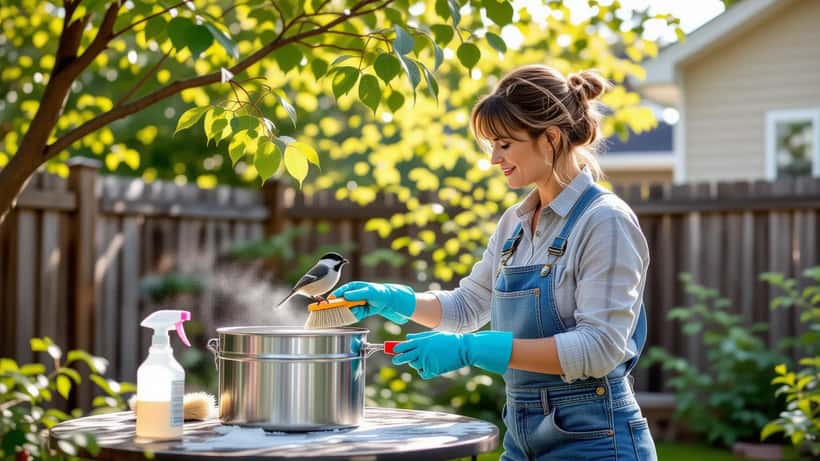
Clean feeders every one to two weeks. HPAI can survive on surfaces. Scrub with a 10 percent bleach solution, rinse thoroughly, and dry completely before refilling. A feeder left dirty for weeks becomes a contamination hub, according to Birds Canada, a national charitable organization tracking the outbreak.
Choose seed wisely. Avoid mixes with cracked corn or bread that attract larger ground-feeding species like Canada geese or mallard ducks — waterfowl are among the highest-risk carriers of H5N1. Stick to sunflower seeds, safflower, and nyjer (thistle), which primarily attract small songbirds.
Position feeders away from water features. Bird baths and decorative ponds near feeders draw waterfowl and increase species mixing. If you have a backyard pond, consider temporarily removing your feeder during peak migration months — April to May and August to November.
Never handle sick or dead birds with bare hands. If you find a dead wild bird near your feeder, use doubled plastic bags, avoid contact with fluids, and report findings to your provincial wildlife authority.
When Should You Consult a Vet?
If you keep domestic chickens, ducks, or other poultry anywhere on your property — even a small backyard flock — the calculus changes entirely. Vets recommend removing wild bird feeders within 50 metres of any domestic bird enclosure. HPAI in domestic poultry requires immediate reporting to the CFIA, and a licensed veterinarian can guide you through quarantine protocols, diagnostic testing, and notification procedures.
Even without poultry on your property, a vet consultation is valuable if:
- You notice unusual die-offs of wild birds in your yard or neighbourhood
- Your pet has had direct contact with a sick or dead wild bird
- Your region is under an active CFIA avian influenza response order
- You keep captive birds — parrots, pet finches, canaries — and want to assess cross-contamination risk from outdoor feeders
Exotic animal vets and wildlife specialists available on ExpertZoom can advise on your specific situation, whether you're an urban apartment-dweller with a window feeder or a rural homeowner building a backyard sanctuary.
Health note: This article provides general information and does not replace professional veterinary advice. If you suspect an animal on your property has been exposed to avian influenza, contact a licensed veterinarian or your provincial animal health authority promptly.
Getting Bird Feeding Right — Without the Iron
Wile E. Coyote's comically dense ACME iron bird seed was designed to anchor, trap, and make the Road Runner's life miserable. Real bird seed is supposed to do the opposite: nourish wildlife and bring a bit of nature closer to home. But in the age of H5N1, even backyard bird feeding deserves a thoughtful approach.
Canada is home to over 450 resident and migratory bird species, and the Canadian Wildlife Federation estimates more than 3 million households put out feeders each year. Doing it safely during active avian flu years is straightforward with the right knowledge.
A few final tips from Canadian wildlife health experts:
- Store seed in sealed, rodent-proof containers to prevent contamination
- Remove fallen seed from the ground below feeders to discourage ground-feeding birds and mammals
- Wash hands thoroughly after handling feeders, even when wearing gloves
- Follow provincial updates from your Ministry of Natural Resources or provincial wildlife health coordinator
If you're unsure about the right setup for your region or have concerns about a specific animal, an exotic animal veterinarian or wildlife health consultant on ExpertZoom can provide guidance tailored to your province's current outbreak status. Getting a professional opinion takes minutes — and protects both the birds you love to watch and the pets you live with.
