 Aria Nguyen
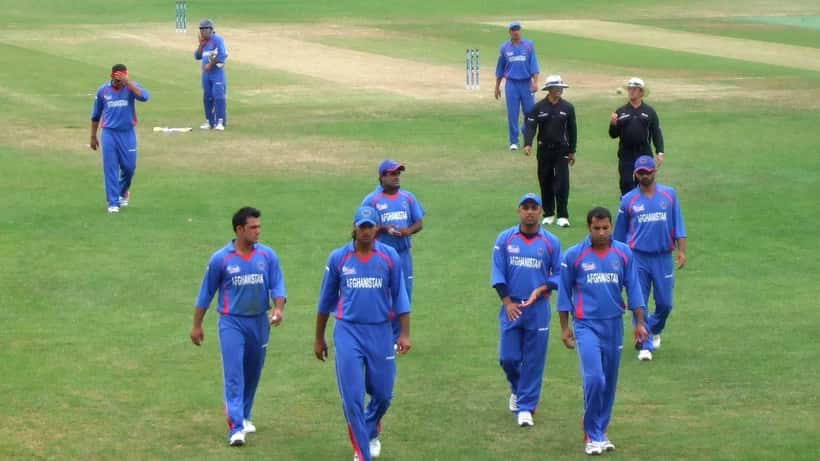
India is dismantling Afghanistan's batting lineup for the second time this month — days after winning the Test match by an innings and 300 runs at New Chandigarh. Yet the more significant contest is unfolding off the field: international human rights organizations are demanding the ICC suspend Afghanistan's cricket membership, and Canadian legal experts are in growing demand as the controversy escalates.
India vs Afghanistan 2026: What Is Happening Right Now
India's dominance in the current bilateral series has been staggering. In the sole Test match completed in early June 2026, India amassed 564/8 declared, then dismissed Afghanistan for just 152 and 112. The first ODI opened on June 13 at the Himachal Pradesh Cricket Association Stadium in Dharamsala, with heavy rain delaying the toss by over an hour and threatening abandonment.
The India-Afghanistan rivalry carries particular resonance for Canadian cricket fans. At the ICC Men's T20 World Cup 2026 in February, Afghanistan beat Canada by 82 runs in Group D at Chennai. Afghanistan posted 200/4, with Mohammad Nabi taking 4 wickets for just 7 runs and Rashid Khan adding 2/19 as Canada collapsed to 118/8. The defeat ended Canada's run in the tournament early.
The Governance Crisis Beneath the Cricket
Behind the scorecards lies a dispute that is reshaping international cricket law. The Taliban government has effectively banned all women's sport in Afghanistan, including cricket. That places the Afghanistan Cricket Board (ACB) in direct breach of the ICC's Anti-Discrimination Policy, which requires all member boards to ensure cricket is accessible regardless of gender.
In March 2025, Human Rights Watch formally wrote to ICC Chair Jay Shah, demanding Afghanistan's ICC membership be suspended. Human Rights Watch also called on the ICC to recognize the Afghan women's cricket team in exile — most of whom fled to Australia following the Taliban's return to power in 2021.
"The Afghanistan Cricket Board is failing to abide by the ICC's Anti-Discrimination Policy," said Human Rights Watch Director Minky Worden.
The ICC has so far resisted suspension, arguing that male players should not be penalized for the actions of the Taliban government. Afghanistan played at the ICC Champions Trophy 2026 and was eliminated in the group stage.
What This Means for Canadians in Cricket
Canada's connection to this dispute runs deeper than a single tournament defeat. Several Afghan cricket players in exile hold refugee status or are seeking permanent residence in Commonwealth countries, including Canada. Cricket Canada was suspended by the ICC in 2022 over internal governance failures. That suspension cost Canadian cricket years of competitive development and exposed the legal complexity of navigating ICC jurisdiction.
As India and Afghanistan face each other again this June, three legal questions are moving to the foreground for Canadians involved in the sport.
Player eligibility and dual nationality rules. ICC regulations allow players to represent any country where they have lived for a qualifying period. For Afghan-Canadian cricketers, this raises concrete legal questions: when does eligibility crystallize, what documentation is required, and how are disputes adjudicated if a competing board challenges a player's status?
Sports arbitration through the Court of Arbitration for Sport. The Court of Arbitration for Sport (CAS) in Lausanne is the international tribunal that hears appeals against ICC decisions. Canadian lawyers with experience in international sports arbitration can advise athletes, federations, and sponsors on how CAS proceedings work, what timelines look like, and what outcomes are realistic given comparable precedents.
Human rights compliance and commercial exposure. Canadian businesses with commercial relationships with the ICC — sponsorships, broadcast agreements, or event partnerships — may face reputational and legal risk if the ICC is found to be enabling systemic gender discrimination. A legal expert can audit existing contracts and advise on ethical exit clauses or force majeure provisions before a dispute arises.
Canada's Hard-Won Legal Experience in Cricket Governance
Canada has a robust human rights legal framework. The Canadian Human Rights Act prohibits discrimination on the basis of sex, and Canadian courts have consistently upheld athletes' rights to fair process in disputes with governing bodies.
When Cricket Canada was suspended in 2022, administrators had to navigate an unfamiliar set of ICC governance mechanisms without adequate legal preparation. Many wished they had sought specialist advice earlier. Today, as Afghanistan's ICC status remains contested, Canadian lawyers who specialize in sports governance are better positioned than ever to advise clients with interests in international cricket. For a deeper look at how ICC governance disputes have affected Canadian cricket, see ICC Suspends Cricket Canada: 3 Legal Reforms That Could Have Prevented It.
If you are an Afghan-Canadian cricket player, a sports organization with ICC-linked commercial interests, or a refugee athlete seeking status in Canada, a qualified legal expert can help you understand your rights and navigate the international framework that governs them.
The Bigger Picture: Sports Law and Human Rights Law Are the Same
The India vs Afghanistan series is a vivid reminder that cricket never exists in a political vacuum. The ICC's decision to allow Afghanistan to continue competing despite documented breaches of its own anti-discrimination rules has drawn criticism from the British government, major human rights organizations, and cricket administrators worldwide.
For players, sponsors, and administrators based in Canada, the practical takeaway is consistent: when international sports bodies make decisions that affect your rights or your business, qualified legal counsel is not optional. The cost of getting the rules wrong in international sport is borne by athletes and organizations, not by the governing bodies that set them.
This article provides general information only and does not constitute legal advice. For questions about sports law, player eligibility, or human rights compliance, consult a qualified Canadian legal professional.
