 Aria Nguyen
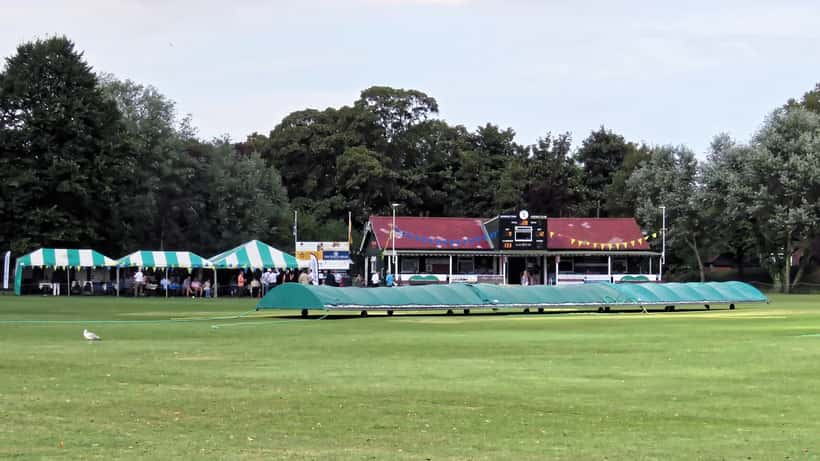
The 1st T20I between England and India, played at Chester-le-Street's Riverside Ground on July 1, 2026, ended in abandonment — and thousands of fans, including Canadians who had traveled overseas to witness the blockbuster series, walked away with unanswered questions about what they were owed. Today, July 4, the two sides meet again at Old Trafford in Manchester. If the clouds roll in again, a lot more people will be asking the same question: what are your legal rights when a cricket match is washed out?
India had set a formidable target of 189 for 7, powered by a blazing 59 off 24 balls from Abhishek Sharma and a composed 68 from captain Shreyas Iyer, before persistent rain made England's chase impossible. The match was officially declared abandoned with no result. For fans in the stands — and especially for those who had flown thousands of kilometres to be there — the legal landscape of what comes next is more complicated than most people realize.
What the ECB's Refund Scheme Actually Covers
When a T20 international match in England is abandoned, the England and Wales Cricket Board (ECB) operates a formal refund scheme. For T20 matches, the policy is clear: if fewer than 15 overs of the second innings are bowled and no result is obtained, ticket holders receive a full refund of the face value of their ticket. Since England's innings never began at Chester-le-Street — zero balls were bowled in reply — every ticket holder is entitled to a 100% refund, processed automatically within 30 days to the original payment method.
That sounds reasonable. But for Canadian cricket supporters who purchased flights, booked hotels, and arranged time off work specifically to see this series in person, the ticket refund covers only a fraction of their actual losses. A return flight from Toronto or Vancouver to Newcastle-upon-Tyne — the nearest major airport to Chester-le-Street — can cost $900 to $1,500 CAD. Three nights in a Durham hotel during a major international series can run $400 to $600. None of that is addressed by the ECB's policy.
The Gap Between Ticket Refunds and Real Losses
This is where Canadians find themselves in murky legal territory — and where a consultation with a lawyer can make a material difference.
Many fans assume that because they bought something and didn't receive it, they are entitled to broad compensation. But Canadian consumer protection law has important limits when the underlying transaction occurs with a foreign entity. Purchasing a cricket ticket from the ECB or a UK-based authorized seller creates a contract governed primarily by English law, not by Canadian provincial consumer protection legislation. Ontario's Consumer Protection Act, British Columbia's Business Practices and Consumer Protection Act, and their counterparts in other provinces generally apply to sellers operating within those provinces — a UK-based ticketing organization typically falls outside that reach.
That doesn't mean Canadians are without options. It means they need to look in the right places.
Three Legal Pathways Worth Knowing
Credit card protections. If you paid for your cricket tickets with a Canadian credit card, your card issuer may offer event cancellation coverage or purchase protection. Many premium Visa, Mastercard, and American Express cards issued in Canada include provisions that reimburse non-refundable travel expenses when a ticketed event is canceled or abandoned. The threshold, required documentation, and exclusions vary significantly between issuers — so call your benefits line directly rather than relying on a generic summary.
Travel insurance. This is where Canadian legal protections are most robust. A travel insurance policy that explicitly includes trip cancellation and event cancellation coverage can reimburse non-refundable expenses when an event is abandoned for reasons outside your control, including weather. The critical word is "explicitly" — many standard travel insurance plans cover medical emergencies and flight cancellations but do not list sporting event abandonment as a triggering event. Read the definitions section of your policy carefully. A lawyer or licensed insurance advisor can help you interpret ambiguous language and assess whether your insurer's denial of a claim is justified.
Contractual force majeure. International sports event tickets typically include a force majeure clause — a legal provision excusing the organizer from performing when extreme weather or other extraordinary circumstances make the event impossible to hold. Rain abandonment at a cricket ground is standard territory for such clauses, which is why the ECB's ticket-face-value refund is generally the ceiling of what you can pursue directly from the organizer. Challenging a force majeure clause in a Canadian court against an overseas entity is a lengthy and expensive process with uncertain outcomes — and rarely worth it for sums under $10,000 CAD.
What To Do If You're Affected
If you were among the Canadian fans who traveled to England and found yourself watching rain at Riverside Ground instead of Shreyas Iyer's strokeplay, lawyers recommend acting quickly:
- Document everything. Save your ticket confirmation, flight and hotel receipts, and any written communication from the ECB or ticketing platform about the abandonment.
- Submit the ECB refund. This is automatic, but if you haven't received your ticket refund within 30 days, follow up in writing with the ticketing platform.
- Contact your credit card issuer. Ask specifically about event cancellation or purchase protection coverage and what documentation they require for a claim.
- File your travel insurance claim immediately. Many policies impose a 24- to 72-hour notification deadline after a triggering event. Missing that window can invalidate coverage entirely.
- Consult a lawyer if your losses are significant. In Ontario, small claims court handles disputes up to $35,000 CAD. A brief consultation with a consumer or travel law specialist can clarify whether any Canadian-incorporated seller or intermediary in your chain of purchase creates a viable domestic claim.
For Canadian fans who've navigated similar questions around other high-profile international sporting events, the legal principles around fan rights and event cancellation follow a consistent pattern — and early action is almost always the deciding factor in whether a claim succeeds.
Before You Book the Next Match
The ENG vs IND 2026 T20I series is one of the most anticipated cricket events in years. India's squad features Virat Kohli, Jasprit Bumrah, and emerging stars like Abhishek Sharma alongside the experience of Shreyas Iyer. As the series continues through July — with matches at Manchester, Nottingham, Bristol, and Southampton — tens of thousands of fans across the South Asian Canadian diaspora are hoping for sunshine.
But cricket in England in July is notoriously unpredictable. The Chester-le-Street washout is a reminder that for every thrilling finish, there is the real risk of a ruined trip. Before you book for next summer — or for the remaining matches in this series — take thirty minutes to review your travel insurance policy, confirm your credit card's event cancellation benefits, and understand that overseas ticket purchases create contracts under foreign law.
The best legal protection isn't action taken after the rain falls. It's preparation that happens before you buy the ticket.
This article is for informational purposes only and does not constitute legal advice. Individual circumstances vary. Consult a qualified lawyer for advice specific to your situation.
