 Nathalie Dubois
Egypt faces Angola today in Cairo at 7 PM GMT — which translates to 3 PM Eastern and noon Pacific, putting the opening AFCON 2027 qualifier squarely in the middle of the Canadian workday. For the estimated 200,000 Egyptians and Angolans living in Canada, that kickoff creates an immediate practical question: can you ask your employer for early leave, flex time, or a shortened break to watch?
Egypt's Momentum Makes This Match a Must-Watch Event
After Egypt's stunning run at the 2026 FIFA World Cup — the Pharaohs reached the Round of 16 for the first time in their history, pushing eventual finalists Argentina to the final minutes before Lionel Messi struck late to eliminate them — enthusiasm for Egyptian football among Canada's African diaspora has never been higher. Mohamed Salah, Omar Marmoush and Mohamed Abdelmonem headline the squad for today's Group B opener against Angola at Cairo International Stadium.
Angola arrive with renewed ambition. Former Senegal head coach Aliou Cissé, the man who guided Senegal to their first AFCON title in 2021, took charge of the Sable Antelopes in April 2026 on a four-year contract. While Egypt remain unbeaten against Angola in all recorded head-to-heads — their most recent meeting, a goalless draw at the 2025 Africa Cup of Nations group stage, confirms that Angola are no pushover — expectations favour a home win for the Pharaohs as they push for qualification for AFCON 2027.
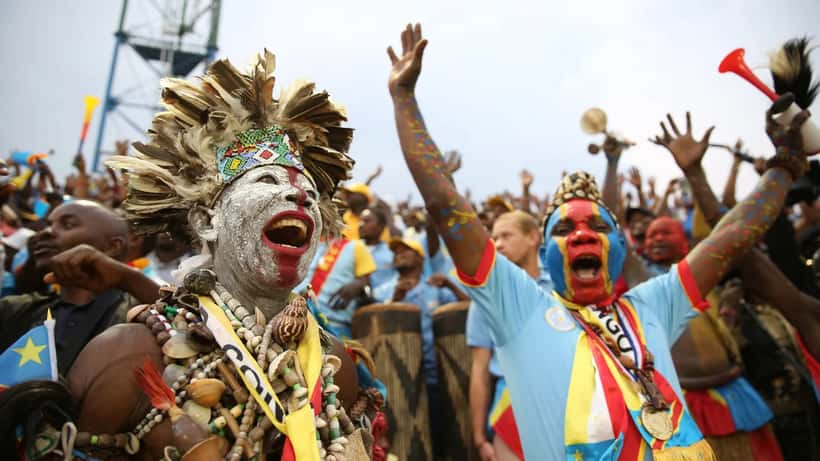
Group B also includes Malawi and South Sudan, making Egypt the clear favourites to top the section. Beyond the standings, today's match is the first high-profile Egyptian fixture since the World Cup heroics, and it is generating genuine excitement in African communities from Toronto to Vancouver and Calgary.
The 3 PM Problem: A Match During Working Hours
A 7 PM kickoff in Cairo drops at 3 PM in Ontario and Quebec, 2 PM in Manitoba, and noon in British Columbia. For salaried office workers, hourly employees, and shift workers whose hours run through mid-afternoon, the timing creates a direct conflict. Community organisers in Toronto's African diaspora groups report dozens of workers planning to request partial-day leave, remote work flexibility, or early departures specifically for the match and post-game watch parties.
The question seems simple: does a Canadian employer have to accommodate this request? The answer, according to employment lawyers, is more nuanced than most workers expect — and the details of how the request is handled matter as much as whether it is granted.
What Canadian Employment Law Actually Says
Canada's employment standards are governed primarily at the provincial level. Federal rules under the Canada Labour Standards Regulations apply only to federally regulated sectors — banking, broadcasting, interprovincial transport — leaving the vast majority of Canadian workers subject to Ontario's Employment Standards Act, British Columbia's Employment Standards Act, Alberta's Employment Standards Code, and equivalents in other provinces.
Across all jurisdictions, one rule holds consistently: there is no statutory right to paid leave to watch a sporting event, including international football qualifiers. The categories of protected leave — illness, family care, bereavement, domestic violence leave — do not include attending or streaming a live football match.
What employees can do within existing entitlements:
- Use accrued vacation or personal days with sufficient advance notice (most provinces require 24–48 hours minimum).
- Negotiate an early departure with makeup time, which many employers allow under flexible scheduling — but this remains at management's discretion.
- Request an unpaid partial day, which employers in non-unionised settings can refuse without providing a reason.
- Invoke a collective agreement provision if the workplace is unionised and the agreement contains cultural or personal day flexibility clauses.
Since January 1, 2026, Ontario employers with 25 or more staff must publish salary ranges in all job postings — a transparency upgrade that gives workers more leverage in broader workplace negotiations, though it creates no new rights around sporting events specifically.
What Actually Happened to One Canadian Worker: A Concrete Scenario
Consider a realistic 2026 situation. An Egyptian-Canadian warehouse supervisor in Mississauga earns $28 per hour on a standard 7 AM–3:30 PM shift. He submits a written request two days in advance to leave at 2:30 PM on September 25 so he can join his community group watching the Egypt–Angola qualifier downtown.
His employer, a mid-size logistics company with 40 employees, declines — citing production demands on a Thursday afternoon.
Under Ontario's Employment Standards Act, that refusal is legally within the employer's rights. The 1-hour early departure (1 hour × $28 = $28 deducted from his pay) is an enforceable decision — provided it is applied consistently.
Here is where the scenario gets legally significant: three months earlier, the same employer allowed three employees to leave 90 minutes early to attend a Toronto Maple Leafs playoff game, with no pay deduction. That double standard — documented in a Slack message approving the NHL departure — does not automatically constitute discrimination, but it creates the conditions for a differential-treatment grievance under the Ontario Human Rights Code on the ground of ancestry or ethnic origin.
The Human Rights Code does not require proof of deliberate prejudice. A pattern in which mainstream North American sporting events are routinely accommodated while AFCON qualifiers, Copa América finals, or South Asian Premier League matches are consistently refused — with no legitimate operational justification — can meet the threshold for a systemic discrimination finding. At that point, remedies can include reinstatement of deducted wages, compensation for injury to dignity, and a binding direction for the employer to revise its leave policies.
The $28 itself is small. The principle — whether an employer's flexibility extends equally across cultural and ethnic sporting events — carries far greater legal weight.
Steps to Take Before You Request Early Leave
Whether you are an Egyptian fan planning a watch party or an Angolan supporter hoping to follow Aliou Cissé's new-look team live, employment lawyers recommend these practical steps before any time-off request tied to an AFCON qualifier:
- Review your employment contract and company handbook before asking. Look for flexible-hours clauses, "personal day" provisions, or cultural leave policies — increasingly common in diverse Canadian workplaces.
- Submit a written request at least 48 hours in advance. Email creates a paper trail that verbal requests cannot. Include the reason briefly; you are not obligated to justify attendance at a legal event, but context helps.
- Observe how similar requests have been handled. If colleagues received informal flexibility for NHL playoffs, the Super Bowl, or summer Canada Day events, note that — informally. Consistency is the legal benchmark.
- If denied and discrimination appears to be a factor, do not file a Human Rights Tribunal complaint alone. Consult an employment lawyer first to assess whether the refusal meets the threshold and what evidence is needed.
- For employers: a short, written policy on sporting-event flexibility — applied equally regardless of which country's team is playing — prevents disputes more effectively than case-by-case decisions.
Canada's African-origin population grew by more than 27% between 2016 and 2021, according to Statistics Canada, and community attachment to international tournaments like the Africa Cup of Nations runs deep. As these communities continue to grow and integrate further into Canada's workforce, questions about equal treatment of cultural sporting events are only going to become more common — not less.
For broader context on how Canadian law has been evolving around sporting events and workplace rights, the argentina-egypt-wc2026-sports-betting-legal-canada piece on Expert Zoom covers related regulatory developments from the World Cup this summer.
When a Lawyer's Advice Is Worth the Hour
Most disputes over a partial-day departure resolve without formal action — a conversation with HR, a compromise offer, or simply booking a vacation day after the fact. But if you face a written warning for an unauthorised early departure, if you see a consistent pattern where your culturally significant matches are treated differently from colleagues' sporting events, or if you are disciplined following any informal complaint, professional legal advice is warranted.
An employment lawyer specialising in human rights and workplace standards can evaluate your situation in a single consultation: whether a refusal was legally sound, whether a complaint has realistic merit, and what remedies — back pay, compensation for dignity, or policy change — are available to you.
This article is for informational purposes only and does not constitute legal advice. Employment law varies significantly by province and individual circumstances. Consult a qualified employment lawyer for guidance on your specific situation.
Expert Zoom's Legal directory connects Canadian residents with accredited employment lawyers — including specialists in workplace discrimination and cultural rights. Whether your dispute involves a single disputed afternoon on September 25 or a broader pattern across your workplace, a qualified legal professional can clarify your options and next steps.
