 Willow Bergeron
The 2026 NLCS opens at American Family Field in Milwaukee this Sunday, October 11, with the Los Angeles Dodgers meeting the top-seeded Milwaukee Brewers in a best-of-seven series that has captured Canada's baseball attention. For Ontario fans scrambling to secure seats — whether travelling south to Milwaukee, catching Games 3 or 4 at Dodger Stadium, or simply searching secondary markets from home — a new provincial law radically changes what you can legally pay for a playoff ticket this fall.
The Series Canadian Baseball Fans Cannot Look Away From
The Dodgers entered the postseason as the No. 2 NL seed after eliminating the Atlanta Braves in four NLDS games. The Brewers claimed the No. 1 seed by dispatching the San Diego Padres in four games of their own. The two clubs met seven times in the 2026 regular season, with Los Angeles winning just three of those matchups — and the Dodgers swept Milwaukee in the 2025 NLCS. This year's rematch is expected to go deeper.
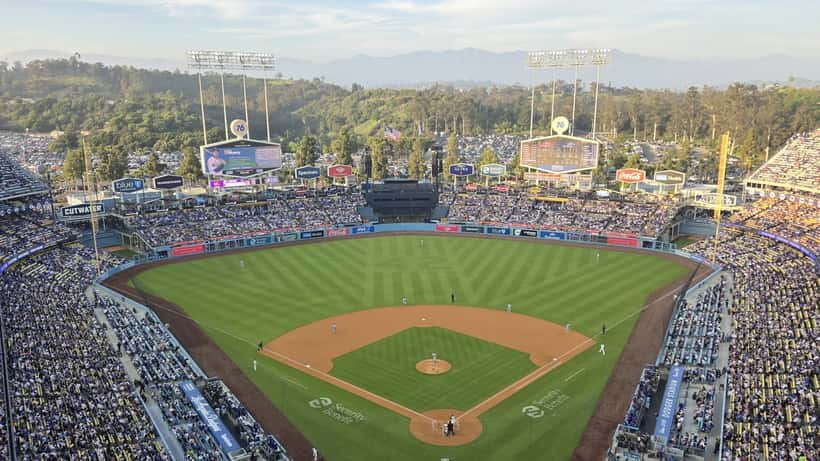
The schedule is set: Game 1 today (October 11) and Game 2 on Monday (October 12) in Milwaukee, then Games 3 and 4 on October 14 and 15 at Dodger Stadium. If the series extends, Games 6 and 7 would return to American Family Field on October 18 and 19. With Shohei Ohtani's first deep postseason run intensifying demand, tickets on secondary markets are moving at multiples of face value. That is precisely where Ontario's new law enters the picture.
The Question Ontario Fans Are Actually Asking
Can I legally buy NLCS playoff tickets above face value if I live in Ontario?
Under Bill 97, which received Royal Assent on April 24, 2026, and came into force on April 25, the answer is no — at least not from any platform legally operating in compliance with provincial law. Ontario's amended Ticket Sales Act caps ticket resale at the original total price paid by the first buyer, including all mandatory service fees and taxes. The law covers concerts, sporting events, and theatre — and it applies to Ontario residents purchasing tickets for events anywhere, not only in Ontario.
What counts as the "original price" under Bill 97?
The cap includes every charge the first purchaser paid: the base seat price, the facility fee, the platform booking fee, and all taxes. If the original buyer paid $203 all-in on Ticketmaster for a lower-deck seat at American Family Field, the legal resale ceiling for an Ontario transaction is $203 — not $203 plus a reseller "handling fee."
Which platforms currently enforce the cap?
Ticketmaster removed non-compliant listings after Royal Assent and proactively notified Canadian sellers. As of early July 2026, StubHub, SeatGeek, and Vivid Seats publicly acknowledged they were not yet fully compliant, citing difficulty verifying original purchase prices independently. The province responded by increasing administrative penalties to $25,000 per repeat violation for individuals and up to $250,000 for corporations — but had not yet issued fines to major platforms as of mid-summer.
You can review the current Ticket Sales Act and its Bill 97 amendments at ontario.ca/laws.
Ontario's Bill 97: What the Law Actually Covers
Ontario's Ticket Sales Act is now among the strictest secondary-market frameworks in North America. Three features matter most for NLCS buyers this October.
First, the price cap is all-in. Resellers cannot circumvent the law by keeping the ticket price at face value and charging a large "service fee" on top. The total transaction price at checkout must not exceed the original all-in cost of the ticket.
Second, the law follows the buyer, not only the venue. If you are an Ontario resident and you purchase NLCS tickets for Dodger Stadium through a platform with Canadian operations, Bill 97 applies to your transaction — even though the game takes place in California.
Third, reselling above the cap is also illegal for individual fans. If you bought four NLCS tickets at face value and want to flip two of them for a profit, doing so through any platform — or privately through Facebook Marketplace — is a breach of the Ticket Sales Act. Individual fines for first violations run to $10,000; repeat violations reach $25,000.
The practical effect for fans right now: every NLCS listing above original all-in price on a secondary platform is potentially in breach of Ontario law, and your purchase may be eligible for a refund of the overcharge.
A Concrete Case: What Happens to Marcus's $490 Game 4 Ticket
Consider this specific scenario based on current market conditions. Marcus, a 38-year-old Dodgers fan living in Mississauga, Ontario, missed the official Ticketmaster onsale for Game 4 at Dodger Stadium on October 15. Searching on SeatGeek on October 9, he finds a loge-level seat listed at $490. After platform fees, he pays $547 at checkout.
Through a Dodgers fan forum, Marcus later confirms that the original Ticketmaster price for that loge tier was $219 all-in, meaning the reseller listed it at 2.2 times face value and the platform processed the transaction without flagging the cap.
Under Bill 97, Marcus has grounds for a formal complaint to Ontario's Ministry of Public and Business Service Delivery. The overcharge — the amount he paid above the legal cap — is $328.
If/then breakdown for Marcus:
- If SeatGeek operated in compliance with Bill 97 and Marcus paid $219 or less all-in: the purchase was lawful, no recourse available.
- If Marcus paid above $219 all-in (the documented original price): he can file a Consumer Protection Ontario complaint and claim the $328 overcharge, with a decision typically issued in four to eight weeks.
- If SeatGeek has no Canadian corporate operations and conducts transactions entirely through a U.S. entity: Bill 97 enforcement becomes jurisdictionally complex. Marcus's most practical path shifts to a credit card chargeback citing "service not as described" or "illegal transaction under applicable law," typically within 120 days of the charge date.
- If Marcus paid $219 all-in and later wants to resell because he can no longer attend: he may only list at $219 or less. Any listing above that price exposes him to a first-violation fine of up to $10,000.
This is not a theoretical risk — it is the live legal framework governing every NLCS ticket purchase for Ontarians through the end of October.
The Platform Compliance Gap: What It Means for Buyers Right Now
The enforcement gap between the law's text and platform behaviour creates real uncertainty for buyers this week. Here is the current landscape, based on information available through early July 2026:
Ticketmaster Fan-to-Fan Resale: The most reliable option. Listings are algorithmically checked against original prices, and non-compliant listings are removed. The Official Platinum pricing model is separate (primary pricing set by teams and venues) and is legal even when above the standard face value.
StubHub: Sellers must check a compliance box confirming they are not exceeding the original all-in price, but StubHub does not independently verify. Overpriced NLCS listings may still appear.
SeatGeek and Vivid Seats: Similar verification gaps acknowledged publicly. Listings at multiples of face value remain visible on both platforms as of this writing.
Private sales (Kijiji, Facebook Marketplace, Reddit): Entirely unpoliced in terms of platform enforcement, though the seller remains subject to the Ticket Sales Act. Buyers have fewer formal complaint pathways and more fraud exposure.
A note on using U.S. VPNs: Some Ontario fans attempt to route purchases through U.S. interfaces to bypass the cap. This does not protect you. If the platform's Canadian subsidiary processes the payment, the Ticket Sales Act still governs the transaction. Misrepresenting your location may also void chargeback rights if a dispute arises.
What Fans Outside Ontario Should Know
Ontario is the only Canadian province with a ticket resale price cap in force as of October 2026. British Columbia has announced it is exploring secondary market regulation, but no law is yet in effect. Quebec's consumer protection framework provides remedies for deceptive pricing but not an explicit resale cap. Alberta, Manitoba, and Atlantic Canadian provinces have no equivalent law.
For fans in those provinces, the federal Competition Act offers limited recourse for deceptive pricing practices, but enforcement timelines — measured in months, not days — make it impractical for a single playoff ticket dispute. A credit card chargeback remains the fastest remedy for out-of-province fans who believe they were misled on price.
What to Do If You Were Overcharged for NLCS Tickets
If you purchased NLCS tickets and suspect you paid above Ontario's legal cap, act within the chargeback window:
- Document everything: screenshot the listing price, the platform's all-in checkout total, and the order confirmation email.
- Find the original face value: check Ticketmaster's official event page for the seat tier, or consult r/Dodgers and r/Brewers fan communities, where original price tiers are typically documented within hours of onsale.
- Calculate the overcharge: if your all-in checkout total exceeds the verified original all-in price, you have a potential claim.
- File with Consumer Protection Ontario: the online complaint portal at ontario.ca accepts Ticket Sales Act complaints within two years of the transaction date.
- Pursue a chargeback: if the platform is unresponsive, contact your credit card issuer within 120 days of the charge. Cite "goods not as described" or "transaction in breach of applicable provincial law."
This article is for general informational purposes only and does not constitute legal advice. Ticket Sales Act provisions vary in their application depending on the platform, the province of residence, and the specifics of the transaction. Consult a licensed consumer protection lawyer for advice tailored to your situation.
If you have questions about your rights under Ontario's Ticket Sales Act, or need help evaluating whether you have a valid complaint against a ticket platform, a consumer protection lawyer on ExpertZoom can review your situation and advise on next steps.
Internal links: What Ontario Fans Need to Know About MLB Ticket Resale Rights
