 Emilie Wang
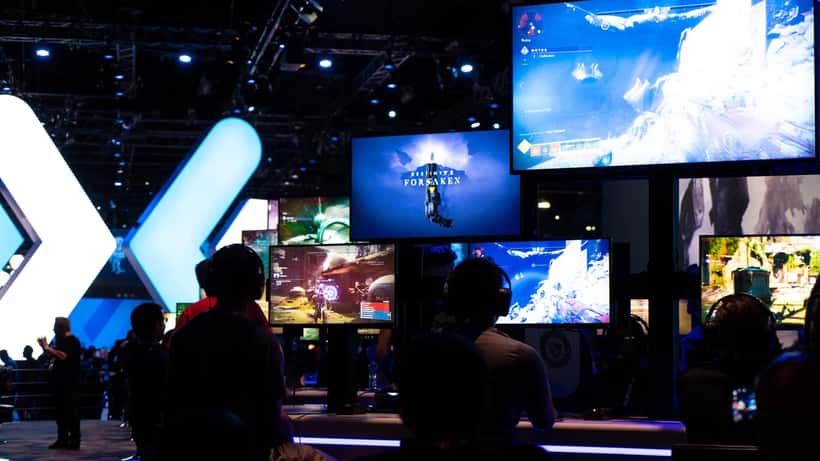
Bungie confirmed on May 21, 2026 that Destiny 2 will receive its final content update on June 9, 2026, ending nearly a decade of live-service development as the studio shifts focus to its next game, Marathon. For millions of Canadian players who spent hundreds of dollars on expansion passes, season passes, and annual editions over the years, the announcement raises an immediate legal question: when a game company ends a live service, what consumer protection rights do Canadians actually have?
What Bungie Announced
The "Monument of Triumph" final update will include permanent Sparrow Racing, Pantheon 2.0 raid rotations, and legacy story content — all free to download. The game remains online, but no further paid expansions or seasonal content will be developed.
The closure follows years of controversy around Bungie's "content vaulting" practice — the removal of paid expansion content from the game without refund. The Red War campaign, Forsaken, Curse of Osiris, and Warmind were all purchased by players and later made inaccessible. A U.S. class action suit advanced in 2026 on exactly this basis.
Steam, Destiny 2's primary PC distribution platform, broke its own refund policy by issuing out-of-policy refunds to players in certain regions following the announcement — an implicit acknowledgment that standard digital refund policies may not hold when a live-service game ends.
Canada's Consumer Protection Framework for Digital Goods
Canadian consumer law is evolving quickly to address digital purchases, but key protections already exist at both federal and provincial levels.
Federal level — Consumer Privacy Protection Act (CPPA): While primarily focused on data privacy, the CPPA's introduction has accelerated regulatory attention to digital consumer rights broadly. The Competition Bureau's 2024 guidance on drip pricing and misleading representations applies directly to digital goods marketed with ongoing service promises.
Provincial level — Consumer Protection Acts: Every Canadian province has consumer protection legislation that governs the sale of goods and services. The most relevant principles here are:
Misrepresentation: If a game was marketed as a "live-service experience" with ongoing content, and players purchased expansion passes based on reasonable expectations of continued service, the removal of that service without compensation may constitute misrepresentation.
Implied warranty of fitness: Digital goods sold with a specific purpose — in this case, access to game content — carry an implied warranty that they will fulfill that purpose for a reasonable period. Selling a $40 expansion pass one year before a game's confirmed shutdown arguably fails this test.
British Columbia and Ontario have the strongest digital consumer protections. The Business Practices and Consumer Protection Act (BC) and the Consumer Protection Act (Ontario) both allow consumers to seek remedies for unfair practices, which courts have interpreted broadly to include digital goods in recent decisions.
The Content Vaulting Legal Precedent
The U.S. class action against Bungie, which progressed through 2025 and 2026, focuses on the "Red War" content removal — paid DLC that was deactivated and made permanently inaccessible. According to the Competition Bureau of Canada's guidelines on misleading representations, advertising digital products in ways that create materially false impressions about their longevity may breach Canadian competition law.
Canadian class actions are procedurally distinct from U.S. equivalents, but the legal theory translates: consumers who paid for specific content that was later deactivated have a potential claim under provincial consumer protection statutes.
What Canadian Players Can Do Now
Request a refund from the retailer first. Before pursuing legal avenues, contact the platform where you purchased DLC — Steam, PlayStation Store, or Microsoft Store. Some platforms have shown flexibility on out-of-policy refunds following the announcement. Document your request and their response.
Check your credit card's purchase protection. Some Canadian credit cards offer extended purchase protection or dispute resolution for digital goods. The June 9, 2026 final update date creates a useful reference point: if you purchased DLC within the past 90-180 days expecting live service to continue, a chargeback dispute may be viable.
Provincial small claims courts. For smaller individual amounts (typically under $35,000 in Ontario, $5,000 in BC), small claims court offers a relatively accessible route for digital consumer disputes without requiring a lawyer. The issue would centre on whether Bungie's marketing of recent DLC constituted misrepresentation given the company's knowledge of the game's impending end.
Collective action options. Canadian class action law permits representative plaintiffs to bring claims on behalf of groups of similarly situated consumers. If a Canadian law firm certifies a class action on similar grounds to the U.S. case, affected players could register as class members without individual litigation costs.
The Broader Digital Consumer Rights Picture
Destiny 2's end-of-life scenario is not unique. As the live-service game model ages, more titles will reach a similar point — leaving players who made substantial purchases facing service discontinuation. Canada lacks a dedicated digital content consumer rights statute comparable to the EU's Digital Content Directive, but existing consumer protection frameworks provide meaningful recourse when applied with legal expertise.
For Canadian players who spent significant money on Destiny 2 content, a consultation with a consumer law specialist can clarify which claims are viable under provincial legislation and whether the amounts involved justify litigation or alternative dispute resolution.
This article provides general legal information and does not constitute legal advice. Consumer law outcomes depend on individual purchase history, provincial jurisdiction, and specific facts. Consult a qualified consumer protection lawyer for advice tailored to your situation.
