 Dimitri
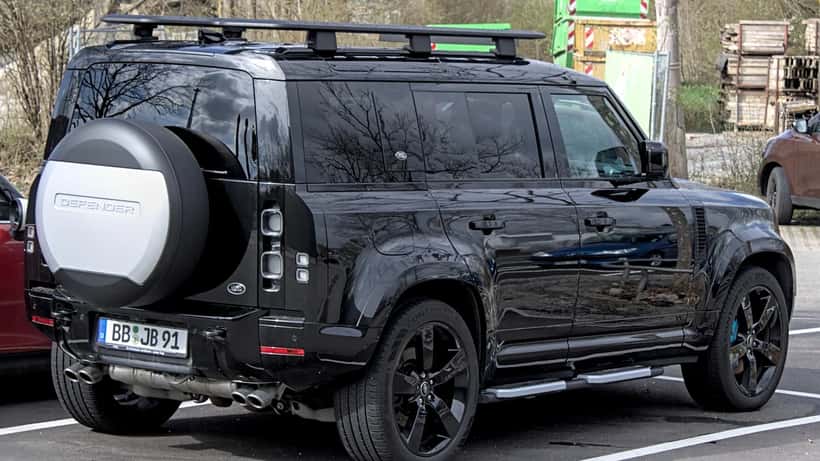
 Jaguar Land Rover issued its largest Canadian recall on April 24, 2026, affecting 15,261 vehicles — 14,542 Land Rover Defenders (2020–2024 MHEV variants) and approximately 719 Jaguar models — for a defective DC-DC converter that can silently drain the 12-volt battery and cut all drive power without warning. Owners should check their VIN immediately on Transport Canada's recall portal and avoid highway driving until a remedy is available.
What Is a DC-DC Converter and Why Does It Fail?
In a mild-hybrid electric vehicle (MHEV), the DC-DC converter bridges the high-voltage battery pack with the conventional 12-volt system that powers headlights, brake lights, infotainment, and active safety electronics. On the affected Defender MHEV and Jaguar models, an internal fault in the boost control microchip prevents the converter from keeping the 12-volt battery charged during normal operation.
The defect is silent at first. The vehicle will display a red "Stop Safely – Electrical Fault Detected" dashboard warning. If the driver dismisses that alert and continues driving, the 12-volt system depletes completely — cutting power to the drivetrain and simultaneously switching off exterior lights.
According to NHTSA recall documents (Campaign Number 26V248), that combination — sudden loss of drive power plus no exterior lighting — significantly increases crash risk, particularly at highway speeds.
Which Vehicles Are Affected in Canada?
The recall covers the following vehicles on Canadian roads, according to Transport Canada:
- Land Rover Defender 2020–2024 (MHEV variants only): 14,542 units
- Jaguar models (select years): approximately 719 units
Range Rover hybrids from the same production period may be included in related international filings. If you own a Defender MHEV built between 2020 and 2024, treat your vehicle as affected until you receive official confirmation from Transport Canada.
You can verify your Vehicle Identification Number (VIN) at no cost through the Transport Canada Defects and Recalls Database. The lookup takes under 60 seconds.
How Serious Is the Safety Risk?
The risk is not hypothetical. Jaguar Land Rover initiated the recall after approximately 6,000 DC-DC converter replacements had already been performed globally on vehicles showing this fault — meaning the failure rate in the field was high enough to trigger a formal safety investigation.
In practical terms, losing drive power in a hybrid vehicle is not the same as stalling a gasoline engine. When the 12-volt system collapses in an MHEV, active safety systems — including brake-light circuits, stability control communication, and in some configurations, power-assisted braking — can be affected simultaneously.
"In a modern mild-hybrid, the 12-volt system controls far more than most drivers realize," explains a certified automotive technician with experience in JLR hybrid drivetrains. "When the DC-DC converter fails, losing drive power and lights at the same time on a highway leaves you with almost no margin."
Until a factory remedy is ready, Jaguar Land Rover advises owners to pull over safely and stop driving immediately if the red "Stop Safely" warning appears. Do not dismiss it as a software glitch.
What Affected Owners Should Do Right Now
Certified mechanics and consumer rights advisors recommend these steps for owners of affected vehicles:
- Check your VIN today on Transport Canada's recall portal to confirm whether your exact vehicle and build configuration are included.
- Contact your authorized JLR dealer and register your details proactively. Owner notification letters are expected by June 12, 2026, but early registration helps secure a service slot when the fix becomes available.
- Limit high-speed driving in the interim. The consequences of losing drive power and lights in stop-and-go city traffic are considerably less dangerous than at highway speeds on routes like the 400 or the Trans-Canada.
- Document any warning messages immediately. Photograph the dashboard alert, note the date, time, and odometer reading, and send written notice to your dealer. This creates a paper trail relevant to any future warranty or compensation claim.
- Do not attempt a DIY repair. The DC-DC converter in an MHEV is embedded in the high-voltage electrical architecture. Work on it requires factory-certified equipment, specialized training, and proper isolation protocols. An independent shop not certified for JLR hybrid systems should not attempt it.
For context on how Transport Canada manages recalls of this scale, see our earlier coverage of similar defect campaigns: Ford Recalls 31,000 Vehicles in Canada for Windshield Wiper Faults and Ford Recalls 144,000 F-150s in Canada Over Gearshift and Transmission Concerns.
No Fix Available Yet — What Happens Next?
As of the NHTSA filing date of April 17, 2026, Jaguar Land Rover does not yet have an approved engineering remedy. The corrective action is still under development. Owners will receive two separate communications:
- An interim safety letter (expected early June 2026) describing the warning signs and interim precautions
- A final notice once the replacement parts and updated software are available at authorized dealerships
Development timelines for hybrid microchip recalls typically range from three to eight months due to supply chain constraints and regulatory validation requirements. Owners should not interpret the absence of an immediate fix as an indication of low risk.
When Should You Consult an Independent Mechanic or Legal Expert?
Two specific situations call for professional advice beyond your dealership:
Independent mechanic: If a "Stop Safely" warning appeared on your vehicle before the recall was announced and the car was repaired at an independent shop, a qualified technician certified in hybrid systems can verify whether the root cause was addressed. They can also advise on interim safety measures tailored to your mileage and driving patterns.
Legal or consumer protection expert: If the defect caused an accident, if you incurred towing or rental costs due to the failure, or if the dealer denies the recall applies to your VIN despite a match, a lawyer specializing in consumer protection or product liability can assess your options. Recall-related compensation claims under Canadian law are time-sensitive — acting before you sign any dealership paperwork puts you in a stronger position.
A certified mechanic or legal professional available through ExpertZoom can review your specific situation and provide guidance tailored to your vehicle history and province of registration.
Note: This article provides general safety and consumer guidance. For legal advice specific to your situation, consult a licensed professional.
