 Olivia Tremblay
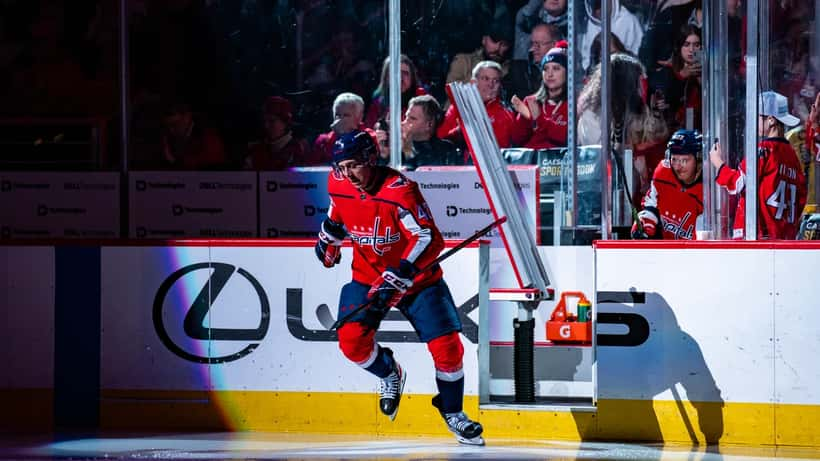
The Montreal Canadiens recalled 21-year-old Swiss defenceman David Reinbacher from the Laval Rocket on October 14, 2026, filling a gap left by veteran Mike Matheson's lower-body injury. For Reinbacher — the fifth overall pick in the 2023 NHL Draft — the moment is more than a hockey milestone. It is the kind of abrupt financial leap that catches young professional athletes completely unprepared, with consequences that can follow them for decades.
A Recall Born from Injury
David Reinbacher's path to the NHL has been anything but straightforward. After being selected fifth overall by the Montreal Canadiens in 2023, the Austrian-born Swiss defenceman spent much of his first two professional seasons navigating serious setbacks: knee surgery following the draft, then a broken metacarpal bone that kept him off the ice for months during the 2024-25 season. Each time, he was returned to the Laval Rocket — Montreal's American Hockey League affiliate — to rebuild his game and his confidence.
Through four AHL games this fall, Reinbacher had already collected two assists and was playing with the assurance of an athlete who had learned to manage adversity. Then came the call. With the Canadiens suddenly short-handed on the blue line — veteran defender Mike Matheson listed day-to-day with a lower-body injury and Jayden Struble recently traded to the Nashville Predators — the organization had just six healthy defencemen available. Montreal reached down to Laval and brought Reinbacher up for a road game in Washington.
In two years as a professional, he had played exactly two NHL games and earned one assist. That number was about to change — and so was his financial picture, whether he was ready for it or not.
The Invisible Shock: From AHL Wages to NHL Salary
What most fans following Reinbacher's recall do not consider is the financial transformation compressing itself into a 24-hour window. When a player spends a season in the AHL, they are compensated under a two-way contract or AHL-specific agreement. In 2026, the AHL minimum salary sits at approximately $70,000 CAD per season — a professional income, but far from what the NHL pays.
The moment Reinbacher's skates touch NHL ice under the terms of his entry-level contract, however, the NHL rate applies. Under the current collective bargaining agreement between the NHL and the NHLPA, the 2026 league minimum salary is approximately $775,000 USD — roughly $1.06 million CAD at current exchange rates. This is the floor; top picks signed to performance-bonus-eligible ELCs can see their total annual compensation exceed $3 million CAD in a strong season.
This is the precise scenario that wealth management advisors who specialize in professional athletes encounter repeatedly. A young player has been living on $70,000 CAD for one or two seasons. Their spending habits, housing arrangements, and financial planning (if any exists) are calibrated to that number. Then, in a single phone call, the number changes to ten or fifteen times that amount — and the planning infrastructure has not caught up.
According to the Canada Revenue Agency, all employment income earned by professional athletes in Canada — including base salary, signing bonuses, and performance bonuses — is fully taxable in the year it is received. For a player who earns AHL income for part of the year and NHL income for the rest, the tax filing is among the most complex a 21-year-old can face.
Reinbacher by the Numbers — What This Recall Actually Costs and Earns
To make this concrete: consider what Reinbacher's financial picture looks like as of October 2026, based on publicly available contract and tax structures.
On his entry-level contract, a fifth overall pick typically signs at or near the NHL ELC maximum base salary, which for 2026 is $775,000 USD. Beyond the base, ELC performance bonuses — tiered by games played, points, and awards — can add up to $2.5 million CAD per season for eligible players who hit defined thresholds.
Take this specific scenario: if Reinbacher plays 40 or more NHL games this season — the threshold that typically marks a meaningful ELC year and begins triggering bonus eligibility — his gross compensation would look something like this:
- NHL base salary: approximately $775,000 USD (~$1.06M CAD gross)
- Federal income tax at the highest bracket: approximately 33%
- Quebec provincial income tax: approximately 25.75% on income above the top threshold
- NHLPA dues and agent fee (typically 4-5% of the contract): approximately $42,000–$53,000 CAD
- Estimated net take-home for the season: approximately $420,000–$455,000 CAD
Now apply the other outcome: if Reinbacher plays fewer than 10 NHL games before being returned to Laval — a realistic possibility given that Matheson's injury is listed as day-to-day — his pro-rated NHL income for those 10 games would be approximately $95,000–$130,000 CAD. His AHL income for the rest of the season adds another $55,000–$60,000 CAD. Total gross: approximately $155,000–$190,000 CAD for the year.
The if/then logic that every young athlete and their family should understand: if the recall extends beyond 40 games, Reinbacher's gross income exceeds $1 million CAD and triggers the highest provincial and federal tax brackets, requiring professional tax planning to avoid a five-figure balance owing in April 2027. If the recall lasts fewer than 10 games, the income remains manageable — but the tax filing now involves two leagues, potentially two provinces, and income earned in American cities where state tax may apply.
Both scenarios carry financial complexity that most 21-year-olds have never encountered. Neither scenario is covered by the hockey system.
Three Things a Young Athlete Must Do in the First 90 Days of an NHL Contract
Certified financial planners who work specifically with professional athletes in Canada identify the same three priorities for every player navigating a first NHL recall or first full professional contract:
1. Set a spending baseline before lifestyle inflation takes hold. The window between the first NHL direct deposit and the first major purchase decision is often less than two weeks. Players who set a personal budget equivalent to their AHL income — and treat the additional NHL earnings as investment capital — protect themselves against the pattern of financial overreach that affects a significant proportion of professional athletes within five years of retirement.
2. Model the full-year tax liability before the first cheque arrives. NHL teams withhold taxes at source, but the withholding rate may not accurately reflect an end-of-year liability when a player has also earned AHL income, bonus income, or American income earlier in the season. A professional who understands multi-jurisdiction athlete taxation can calculate the liability and prevent a large unexpected bill. For guidance on Canadian employment income reporting, the Government of Canada's Revenue Agency provides the applicable framework.
3. Engage a certified financial planner who specializes in professional athletes before the payroll cycle begins, not after. For young athletes in Canada, this means a CFP who understands multi-jurisdiction income from games played in American markets, signing bonus tax treatment, RRSP contribution room calculations on high-variable income, and the specific deductions available under the Income Tax Act for professional athletes — including union dues, agent fees, and equipment costs.
As explored in our earlier analysis of the financial implications of NHL entry-level contracts for 2026 draft prospects, the players who navigate the transition most successfully are those whose planning began before the recall, not after it.
When Expert Financial Advice Stops Being Optional
David Reinbacher's recall is one game, possibly a week, possibly the beginning of a full NHL season. That uncertainty is itself a financial variable most young players are not equipped to manage alone. Decisions made during this window — on housing, vehicle purchases, investment contributions, and loan repayments — are often irreversible on a young professional's timeline.
The statistic that wealth management advisors cite consistently is sobering: studies of professional athlete financial outcomes suggest that a substantial majority experience significant financial difficulty within a few years of ending their playing careers, with the pattern traced directly to decisions made during the first professional contract. The commonality is not recklessness — it is the absence of professional guidance during the first high-income year.
For any family in Canada with a young athlete facing a sudden income transition — whether an NHL recall, a first professional contract, or a scholarship that transitions into professional earnings — the appropriate moment to consult a certified financial planner is before the first payment arrives, not after the first surprise tax bill.
ExpertZoom connects Canadians directly with certified financial planners and wealth management advisors who specialize in high-sudden-income situations, professional athlete contracts, and multi-province tax planning. As shown in previous analysis of NHL restricted free agent contracts and financial positioning, the complexity compounds quickly once the contract clock starts. A single expert consultation at this stage costs a fraction of what unmanaged tax exposure can generate.
Disclaimer: This article is for informational purposes only and does not constitute financial, legal, or tax advice. Consult a certified financial planner or qualified tax advisor for guidance specific to your situation.
