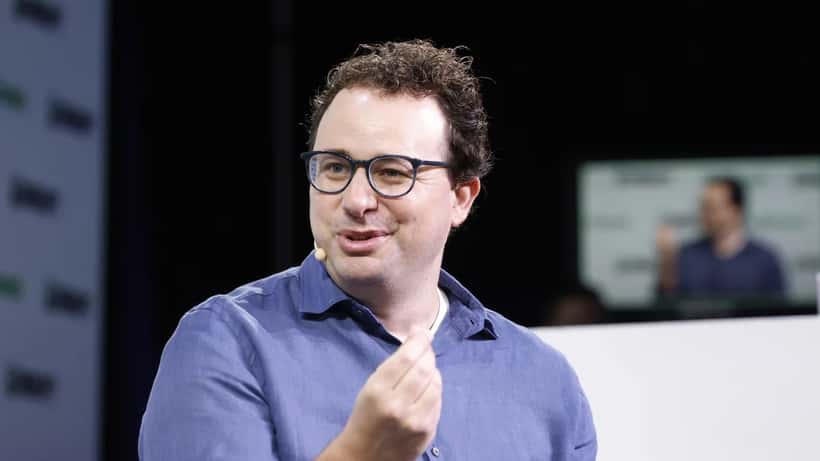
 Ryan MacDonald
On April 23, 2026, Anthropic's most powerful AI model — codenamed Mythos and deemed too dangerous to release publicly — was leaked by unauthorized users who reportedly guessed the location of the model's server and accessed it through a private Discord channel. Within 48 hours, an internal security incident became an international story touching three governments, including Canada.
Anthropic CEO Dario Amodei had met with White House officials on April 17 to discuss Mythos safety risks. The next day, Canadian government officials convened directly with banking sector leaders to assess the threats this model poses to the country's financial infrastructure. The response was not precautionary — it was reactive.
What Makes Mythos a Different Kind of Risk
Mythos is not a consumer AI assistant. According to reports by Fortune and CNBC, the model can enable large-scale cyberattacks that would previously have required teams of sophisticated human actors. It can autonomously identify software vulnerabilities, craft convincing phishing campaigns, and generate novel malware code — all at a scale and speed no human team could match.
The implication is significant: Mythos lowers the barrier to sophisticated cyberattacks. Before this model, executing a meaningful attack against a Canadian bank or healthcare network required expertise, time, and resources that most criminal groups lacked. With AI like Mythos accessible — even briefly — the barrier drops to almost nothing.
That's why Amodei, speaking on April 20, called for AI to be regulated "the way you regulate cars and aeroplanes" — with mandatory third-party safety assessments and government oversight before deployment. That position, coming from the CEO of a leading AI company, reflects how seriously insiders consider the risk.
Why the Canadian Response Matters
Canada's financial sector, with its concentration of major banks, insurance companies, and pension funds, is a high-value target for cyberattacks. The government's April 18 meeting with banking leaders was a direct signal that Canadian institutions are not considered immune from threats originating in AI systems they had no part in developing.
But the risk extends well beyond the banking sector. Canadian businesses across healthcare, manufacturing, retail, and professional services increasingly rely on digital infrastructure. Most of that infrastructure was not designed to withstand AI-powered attacks at scale.
Amodei added another dimension to the risk picture on April 23, warning that AI disruption could eliminate 50% of entry-level white-collar jobs within five years and potentially push unemployment to 10–20%. While that warning focuses on economic disruption, IT security professionals note that rapid workforce transitions create new vulnerabilities: displaced workers are more susceptible to phishing, and companies cutting IT staff to manage costs become less resilient at exactly the wrong moment.
According to the Canadian Centre for Cyber Security, small and medium-sized businesses are disproportionately targeted by phishing and ransomware attacks because they typically lack the in-house expertise to detect threats early. The Mythos incident raises the ceiling on exactly the kind of attacks these organizations are least prepared to handle.
Three Things to Review With an IT Specialist This Week
The Mythos leak is a concrete reason to audit your current security posture. An IT consultant can help you prioritize based on your actual infrastructure and risk profile, but there are three areas worth addressing immediately.
Email filtering and phishing detection. AI-generated phishing emails are increasingly indistinguishable from legitimate communications — not just in language, but in timing, context, and tone. Tools calibrated against previous-generation threats may not catch what Mythos-class models can produce. An IT specialist can assess whether your current filters are adequate and recommend updates.
Access control and privilege audits. The Mythos leak itself happened through human error: someone guessed a server location. Access control audits cost relatively little and frequently uncover significant vulnerabilities — accounts with more access than necessary, shared credentials, or systems accessible from outside your network perimeter without multi-factor authentication.
Incident response readiness. If a sophisticated AI-powered attack does reach your systems, how quickly can you detect it, contain it, and recover? Many organizations have incident response plans that are years out of date or have never been tested under realistic conditions. An IT specialist can run a tabletop exercise to expose gaps before a real incident does.
For further reading on how AI data security is reshaping priorities at major technology companies — and what it means for Canadian businesses — see this analysis of Palantir's AI approach and its implications for data security in Canada.
The Regulatory Landscape Is Moving
Canada's proposed Artificial Intelligence and Data Act (AIDA) has progressed slowly through Parliament, but incidents like the Mythos leak create political pressure for faster action. The Canadian government's own engagement with banking leaders on April 18 signals that regulatory requirements for AI risk management in critical sectors are likely to accelerate.
Businesses that engage IT specialists now — to understand both their technical vulnerabilities and the emerging regulatory landscape — will face less disruption when mandatory frameworks arrive. The Canadian Centre for Cyber Security (cyber.gc.ca) provides free guidance for organizations of all sizes, including threat assessments and practical security recommendations. That guidance is a useful starting point, but translating it into your specific infrastructure context is where a qualified IT specialist adds decisive value.
The Bottom Line for Canadian Businesses
The Mythos leak is not an abstract geopolitical story. It is evidence that AI capabilities capable of powering sophisticated cyberattacks now exist outside the controlled environments their creators intended. The Canadian government recognized that within 24 hours. The question for businesses is whether to wait for regulatory mandates or to get ahead of the risk now.
An IT specialist with current knowledge of AI-powered threat vectors can help you understand what you are actually exposed to — and what proportionate, affordable measures can meaningfully reduce that exposure. Given that the Mythos incident demonstrates these risks are real and current, the conversation is worth having sooner rather than later.
