 Ella Singh
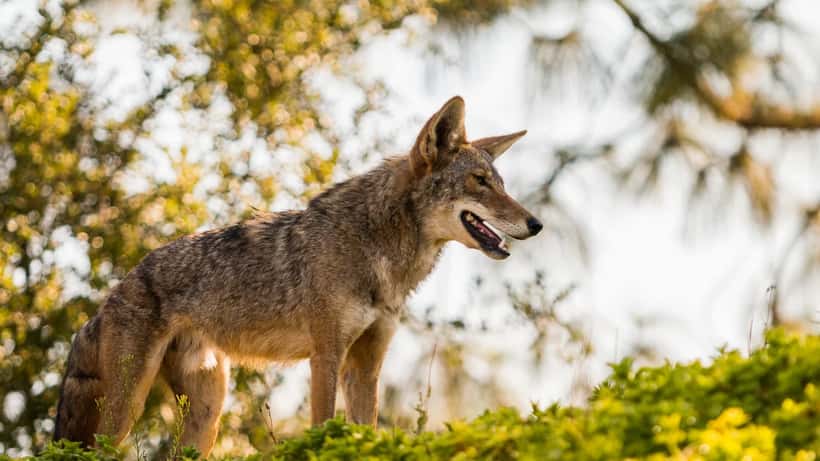
A coyote snatched and killed a chihuahua named Lulu at John Hendry Park — also known as Trout Lake Park — in East Vancouver in late June 2026. Owner Travis Olson was walking Lulu in the park when a coyote darted out and grabbed her. The B.C. Conservation Officer Service confirmed five reports of coyotes attacking pets across Metro Vancouver in the two months leading up to the incident, and has since announced plans to post warning signs at Trout Lake. With coyote encounters rising again across Canadian cities, veterinarians say too many pet owners wait too long to seek care after an attack.
Why Urban Coyote Attacks Are Increasing in 2026
Metro Vancouver is not experiencing an isolated spike. The same conditions that led to an unprecedented surge in Stanley Park attacks between 2020 and 2021 — increased park visitation, deliberate feeding by some visitors, and shrinking boundaries between human and wildlife habitats — have not gone away. During that nine-month period, zoologists documented 45 coyote attacks involving bites or scratches, compared to a single aggressive encounter in the preceding decade, according to research published in July 2026.
Coyotes are highly adaptable. They breed quickly to maintain stable population densities, meaning culling does not resolve the problem long-term. They colonize urban green space — parks, ravines, creek corridors, golf courses — and wherever food sources are available, whether garbage, fallen fruit, rodents, or unsupervised small pets.
Incidents like Lulu's death are the most extreme outcome. But many more pets survive coyote encounters every year in Canada — and it is those survivors that concern veterinarians most.
What a Coyote Attack Does to Your Pet
Coyotes are ambush hunters. They typically target smaller animals and attack with a fast bite to the neck or back, followed by a violent shaking motion designed to cause cervical trauma. The resulting injuries are frequently more severe than they appear from the outside.
What you may see: a small puncture wound in the fur, a dog that seems shaken but is walking normally, no visible blood.
What may be happening underneath: deep puncture tracts from canine teeth that penetrate to muscle, fascia, or organ tissue; fractured vertebrae or damaged blood vessels in the neck; internal bleeding from crush injury to the thorax or abdomen; or the onset of traumatic shock.
The adrenaline response in a suddenly traumatized animal can mask pain signals for 30 to 90 minutes. A dog that appears calm or even playful immediately after an attack may be deteriorating rapidly. This is not the moment to "wait and see."
5 Signs Your Pet Needs Emergency Vet Care Right Now
If your dog or cat has survived a coyote encounter — direct contact, a near-miss bite, or a chase that ended in escape — watch closely for these warning signs and get to a veterinary clinic immediately if any appear:
1. Rapid or laboured breathing. This can indicate a collapsed lung, internal haemorrhage, or thoracic injury from a bite or fall.
2. Pale, white, or bluish gums. Healthy gums should be pink and moist. Pale or grey gums are a hallmark sign of circulatory shock from blood loss.
3. Puncture wounds, especially around the neck, back, or abdomen. Even small-looking entry wounds can conceal deep tissue damage. Do not attempt to probe them at home. Apply gentle pressure if there is active bleeding, and go directly to a clinic.
4. Sudden stiffness, reluctance to move, or inability to bear weight. These signs may indicate spinal injury or severe muscle trauma — conditions that worsen rapidly without professional assessment.
5. Extreme lethargy, trembling, or unresponsiveness. These are signs of advanced shock. This is a life-threatening emergency.
The B.C. SPCA advises treating any bite wound from a wild animal as a veterinary emergency, regardless of visible severity. Bite wounds carry a high bacterial load — the warm, punctured tissue becomes an ideal culture medium for infection within hours. A veterinarian will also assess the need for rabies exposure protocols in consultation with local public health, though wild coyote rabies transmission is rare in British Columbia.
What a Vet Will Do After a Coyote Attack
At the clinic, a veterinarian assessing a coyote attack victim will typically begin with a full physical examination, including careful palpation of the neck, spine, and abdomen for signs of internal injury. Diagnostic imaging — X-rays or ultrasound — is often needed to rule out fractured ribs, pneumothorax, or internal haemorrhage that cannot be detected by touch alone.
Treatment will usually include thorough wound debridement and irrigation (bite wounds are never sutured closed immediately due to contamination risk), broad-spectrum antibiotics to prevent infection, and targeted pain management. Severely injured animals may require hospitalization, fluid therapy for shock, or emergency surgery.
Time is a critical variable. Pets treated within one to two hours of a serious traumatic injury have significantly better clinical outcomes than those seen many hours later.
How to Reduce the Risk on Your Next Walk
The B.C. government's official guidance on staying safe around coyotes recommends the following:
- Keep pets on a short, non-retractable leash in all park and greenway settings. Retractable leashes give coyotes time to strike before you can intervene.
- Avoid off-leash areas in zones with reported coyote activity, especially at dawn and dusk — peak activity hours.
- Never feed coyotes, directly or indirectly. Accessible garbage, compost, pet food left outdoors, and fallen fruit are all attractants that reduce a coyote's natural wariness of humans.
- Carry a noisemaker — a whistle, air horn, or even a set of clapping hands. If a coyote approaches, make yourself look large, wave your arms, and back away slowly without turning your back or running.
- Report aggressive coyotes to the B.C. Conservation Officer Service at 1-877-952-7277. Reporting helps wildlife managers identify habituation early and intervene before a serious incident occurs.
The pupping season, typically April to August, brings an elevated risk of bold behaviour as coyotes become more territorial around den sites.
Talk to a Veterinarian Who Understands Urban Wildlife Risk
Urban coyote incidents are no longer rare events in Metro Vancouver, suburban Toronto, or Edmonton's river valley. For the millions of Canadian dog and cat owners who walk their pets in parks, ravines, or green corridors, the question is not whether a coyote encounter is possible — it is how prepared you are when one happens.
A licensed veterinarian can help you build a practical emergency plan: which injuries to watch for in the critical minutes after an encounter, how to assess your neighbourhood's wildlife risk level, and what your pet's size and breed profile means for their vulnerability. On Expert Zoom, you can connect with a veterinarian for a consultation that fits your schedule — before you need to make that emergency call.
This article is informational in nature. In any suspected pet emergency, seek immediate in-person veterinary care.
