 Aria Nguyen
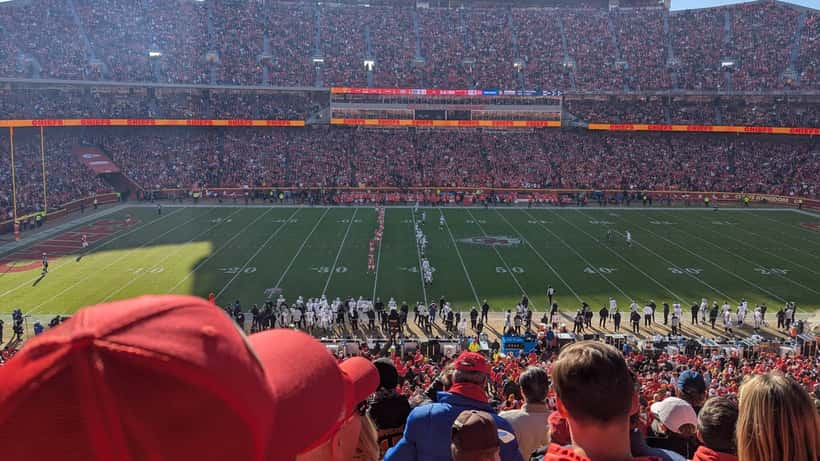
The buzz around the Kansas City Chiefs versus Las Vegas Raiders matchup has already lit up Canadian sportsbooks in Week 4 of the 2026 NFL season. In Ontario, where commercial operators like FanDuel, BetMGM, and DraftKings compete for bettors, wager volumes on AFC West divisional matchups consistently rank among the highest of the NFL season. In Alberta, where the regulated market opened on July 13, 2026, fans are betting on the rivalry through AGLC-licensed apps for the first time. But across most of Canada, the legal landscape governing those bets — and what happens if something goes wrong — remains poorly understood by the millions of Canadians placing them.
Kansas City entered this season having won 13 of their last 16 meetings against Las Vegas, a dominance that has shaped betting lines and created a lopsided wagering public. That popularity, however, does not translate into equal legal protection for every Canadian bettor. The province you live in determines not only which platforms you can legally use, but also what recourse you have when disputes arise — and with a game generating the volume of a Chiefs-Raiders matchup, disputes happen.
The Question Every Canadian Fan Is Actually Asking
Can you legally bet on the Chiefs vs Raiders from your province — and what are your rights if the sportsbook doesn't pay?
The short answer: yes, betting on single NFL games is legal across Canada since the 2021 amendment to the Criminal Code under Bill C-218, which removed the prohibition on single-event wagering and handed regulatory authority to each province. But the follow-up answer — what consumer protections you actually have — is far more complicated, and depends almost entirely on where you live.
Sports betting in Canada is constitutionally a provincial matter. The federal government amended the Criminal Code to permit single-event betting; each province then decided whether to license commercial operators, maintain a government monopoly, or do nothing at all. The result is a patchwork of protections — and gaps — that many bettors discover only after a dispute has already erupted. A lawyer experienced in gaming and consumer rights can be the difference between recovering a refused payout and absorbing the loss entirely.
Your Rights Depend Entirely on Your Province
Ontario is the most consumer-friendly jurisdiction in Canada for sports bettors. Since iGaming Ontario launched its regulated market in 2022, commercial operators are legally required to maintain segregated player funds, comply with dispute resolution protocols, and respond to iGaming Ontario's formal oversight. If a licensed Ontario sportsbook refuses to pay a legitimate winning bet, you can file a complaint with iGaming Ontario — a formal, documented escalation pathway that has resulted in payouts for bettors who were initially denied.
Alberta joined the regulated market on July 13, 2026, with AGLC-licensed operators now meeting the Alberta Gaming, Liquor and Cannabis Commission's consumer-protection standards. Bettors in Alberta who use licensed apps now have an equivalent pathway to Ontario residents for the first time.
Every other province is a different story. Most remain locked to provincial lottery corporations — PlayNow in British Columbia, Mise-o-Jeu in Québec, Sports Select in the Atlantic provinces. These platforms carry their own dispute mechanisms, but they are operated by the same entities responsible for adjudicating complaints against themselves. Private commercial operators like FanDuel are technically unregulated in these provinces. Bettors who use offshore platforms waive most Canadian consumer protections entirely.
This distinction matters enormously when something goes wrong. Technical failures mid-game, contested in-play settlement, suspended accounts without explanation — these are the scenarios that reach legal experts at Expert Zoom most often during peak NFL weeks, and the game happening this week is one of the highest-volume betting events of the season.
Concrete Case: The $750 Parlay That Disappeared
Consider a bettor in British Columbia — call her Megan — who placed a $750 three-leg parlay ahead of a Chiefs-Raiders game: Kansas City to win outright, the total to go over 47.5, and the Chiefs' quarterback to throw for more than 275 yards. She used an offshore sportsbook rather than BC Lottery Corporation's PlayNow because the odds were roughly 12 percent better.
All three legs hit. Her payout should have been $4,890 at the posted odds.
When Megan logged in to withdraw, the platform suspended her account for "unusual activity" — a clause buried in page 14 of the terms of service. Under BC law, no regulatory body has jurisdiction over that foreign-licensed operator. The platform runs under a Malta Gaming Authority licence, which has no enforcement reach in Canada.
If Megan had placed that same $750 parlay on a licensed Ontario or Alberta platform, the situation would be legally different: iGaming Ontario or AGLC could formally investigate the suspension and compel a response. An unpaid legitimate bet on a licensed platform is a regulated consumer dispute with a documented pathway.
If she lives in BC or another unregulated province, the realistic options are: a chargeback through her credit card issuer (if the deposit was by card, and within the card network's 90-day window), a formal complaint to the MGA (limited impact from Canada), or — if the amount justifies it — civil action in the jurisdiction where the platform is registered. A legal expert can assess which route is viable based on the amount, the platform's terms, and the documentation she has preserved. Below approximately $1,500, legal proceedings rarely make financial sense. Between $1,500 and $10,000, a consultation can clarify whether the operator's terms override her claim. Above $10,000, civil litigation becomes genuinely viable.
What Changes for Canadian Bettors in 2026
The Alberta market opening on July 13, 2026, is the single biggest development for Canadian sports bettors this year. Roughly 4.4 million additional Canadians now have access to legally licensed commercial sportsbooks with formal consumer protections — a meaningful expansion beyond Ontario's approximately 15 million residents.
That still leaves the majority of Canada's betting population in provinces where protection depends entirely on which platform you chose, not on any regulatory guarantee. For fans in those provinces watching the Chiefs-Raiders matchup:
Use provincial lottery platforms first. PlayNow, Mise-o-Jeu, and Sports Select are slower and carry narrower odds, but disputes are adjudicated by a provincial body — not a foreign gaming authority with no Canadian reach.
Document everything before you place your bet. Screenshot your odds, your bet slip confirmation, and your account balance at the time of placement. This evidence is essential if a dispute reaches a lawyer or a regulatory body.
Read the dispute resolution clause before depositing. Platforms that require mandatory arbitration in a foreign jurisdiction are eliminating your most cost-effective Canadian recourse from the moment you accept the terms.
Understand your tax position. In Canada, professional or habitual gamblers may owe income tax on winnings; casual bettors generally do not, according to Canada Revenue Agency guidance. But the CRA's definition of "habitual" has never been legislatively defined, and bettors who win consistently across a season can find themselves in a grey zone. A tax lawyer can clarify your position if total winnings exceed $5,000 in a calendar year.
For bettors in Ontario and Alberta, the Chiefs-Raiders Week 4 game is a normal licensed experience backed by formal consumer protection. For the rest of Canada, it is a reminder that the framework protecting your bet is only as strong as the province you live in and the platform you chose to use — and that a legal expert can make the difference between recovering a disputed payout and absorbing it entirely.
Disclaimer: This article contains general legal and financial information, not legal advice. Canadian sports betting regulations vary by province and are subject to change. Readers with a specific dispute, tax question, or regulatory concern related to sports wagering should consult a qualified legal or tax professional.
