 Olivia Tremblay
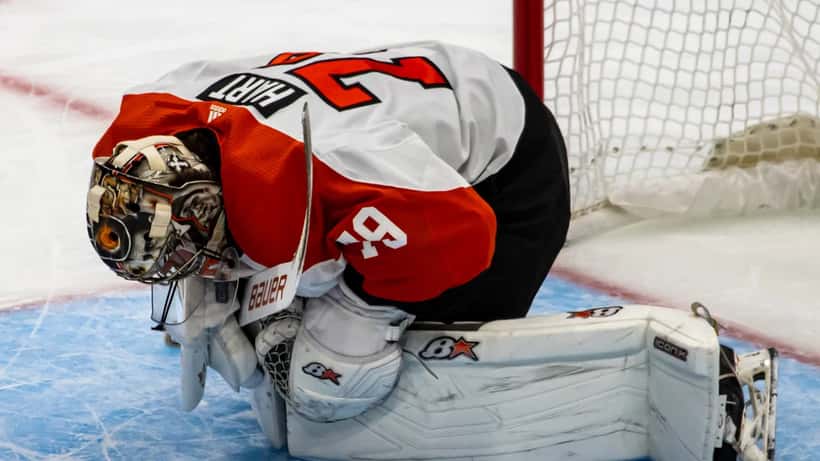
Carter Hart is back. The Canadian goaltender from Sherwood Park, Alberta, returned to NHL action with the Vegas Golden Knights in spring 2026 after missing three months due to a lower-body injury. Now in the playoffs, Hart stopped 27 shots in a crucial overtime win against Utah — and is making a compelling case to be the team's starting goalie. His comeback story raises a question every professional athlete — and anyone who has faced an extended career interruption — should be asking: how do you protect your finances when you can't work?
Carter Hart's Return: The Numbers
Hart returned from long-term injured reserve (LTIR) with the Vegas Golden Knights in late April 2026. He immediately performed: four wins in four starts before a stretch where he allowed three or more goals per game. Coach John Tortorella expressed firm confidence in his goaltender throughout.
During his three-month absence, Hart was placed on LTIR — which in the NHL creates cap space for teams to sign replacement players. For Hart himself, his contract (signed with the Philadelphia Flyers) continued to pay him during this period. But the financial reality of injury-related career interruptions is far more complex for most professional athletes — and even more so for Canadians in amateur or semi-professional sports.
How Career Interruptions Impact an Athlete's Finances
Professional athletes have much shorter earning windows than most Canadians. A hockey player typically earns peak income between ages 22 and 35. An injury, a legal situation, or a contract dispute can remove months or years of earning potential in an instant.
Lost income is only part of the problem. When Hart missed three months, his replacement costs, rehabilitation, and the opportunity cost of endorsement deals that weren't signed also factored into the financial equation. For a top-level professional, this can amount to millions.
Disability income insurance for athletes. Most Canadians know about disability coverage through work benefits, but few understand that athletes require specialized disability income protection that accounts for their unique earning profile. Standard disability policies are often insufficient, as they cap monthly benefits at levels far below what high-income athletes earn. A wealth management advisor with experience in professional sports can design a policy tailored to the athlete's contracts and income trajectory.
Tax planning during career gaps. In Canada, income continuity during an injury is taxed differently depending on whether it comes from a disability policy, a salary continuation plan, or workers' compensation. Working with a financial advisor to structure these payments correctly can save significant money.
What Wealth Advisors Recommend for Athletes at Any Level
Carter Hart's case illustrates high-level contract protections, but the principles apply to every athlete in Canada — from junior hockey players with early professional contracts to elite amateur athletes in Olympic-pathway sports.
Build an emergency fund equivalent to 12 months of expenses. Career interruptions happen. An emergency fund that covers a full year of living expenses without touching investments is the baseline recommendation for professional athletes. This is especially important in a sport like hockey, where a single game injury can sideline a player for months.
Understand your insurance obligations before signing a contract. Pro contracts in Canada typically include health and disability provisions, but the specifics vary widely. Many younger athletes sign contracts without understanding what they are and are not covered for. A lawyer or financial advisor should review every major contract.
Diversify income sources. Athletes who rely entirely on their playing salary are most vulnerable during career interruptions. Media work, coaching, endorsements, and business ownership are all ways to create income streams that don't depend on being on the ice. Hart's experience with Tortorella — who has known Hart since their time together with the Flyers — shows the value of long-term professional relationships that can help resurrect a career.
Invest early and consistently. The Financial Consumer Agency of Canada consistently finds that Canadians who invest consistently through career peaks, rather than waiting until they feel financially comfortable, retire significantly better off. For athletes whose peak earnings come in their twenties and early thirties, the time value of early investing is enormous.
Planning for Post-Sport Life
Carter Hart is 26 years old. Even if he plays at the highest level until he's 38, he faces approximately 50 years of post-sport life to plan for. Many professional athletes find themselves financially unprepared for this reality.
A qualified wealth management advisor can help professional and semi-professional athletes create a comprehensive financial plan that includes income replacement insurance, investment strategy, tax optimization, and estate planning. The goal is to ensure that the wealth generated during a short but intense earning window lasts a lifetime.
Hart's comeback with the Golden Knights is an inspiration to any athlete who has faced adversity. But his real-world financial situation — managing a top-tier NHL contract through injury, transition, and playoff pressure — is a reminder that smart financial planning is as important as training.
This article is informational and does not constitute financial or legal advice. Consult a qualified wealth management advisor for guidance specific to your situation.
