 Brenna White
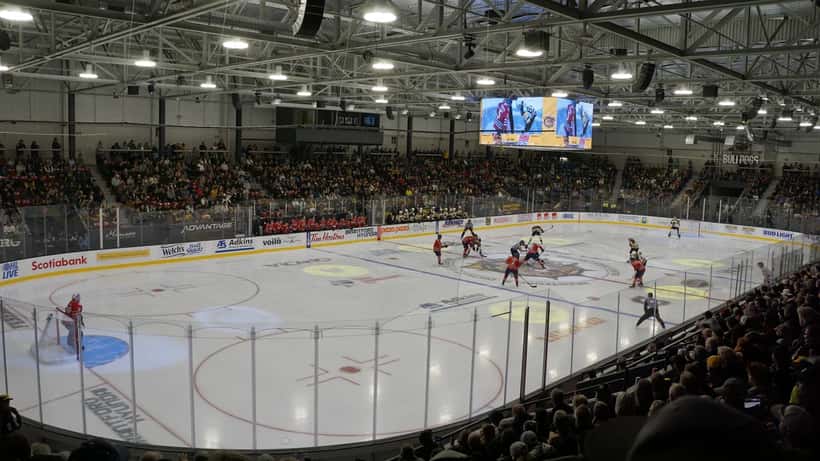
The Brantford Bulldogs entered the 2026 OHL Eastern Conference Finals undefeated — eight wins, zero losses — after sweeping the North Bay Battalion in the second round, clinching their spot on April 15, 2026, with a decisive series victory. They face the Barrie Colts next, with games scheduled for April 22 and April 24 at TD Civic Centre in Brantford. The question dominating local sports talk is whether the Bulldogs can keep their perfect run alive. But behind every shift, power play, and overtime goal, there is another pressure that almost no junior hockey fan thinks about: the academic workload waiting for these players when they get off the ice.
A Playoff Run Like No Other
The Bulldogs have been the dominant force in the OHL's Eastern Conference this season. They finished as the East Division regular season champions with 106 points. Captain Jake O'Brien has logged 15 playoff points. Caleb Malhotra has scored eight goals in the postseason, five of them on the power play.
This kind of performance during a playoff run demands extraordinary commitment. Players travel across Ontario for away games, arrive late, wake up early for morning skates, and then — for those who are still in secondary school — walk into a classroom the next morning.
OHL players are typically between 16 and 20 years old. Most are in Grade 11, Grade 12, or their first year of post-secondary studies. A playoff run of this intensity, stretching from early April well into May, lands squarely in the middle of exam season.
The Academic Reality of Junior Hockey in Canada
The Ontario Hockey League requires its clubs to maintain educational programs for players who are of school age. Each team employs a billet coordinator and is expected to maintain contact with players' schools. But the actual experience of managing playoff hockey and final exams simultaneously is, by most accounts, genuinely difficult.
Canadian junior hockey players face a structural challenge that their peers in other sports — or other countries — rarely encounter. The OHL season runs from September to May, overlapping with every major academic milestone: first-semester finals, mid-year assessments, and the spring exam period that determines whether a student advances to the next grade or year.
For players who are 16 or 17 and still in high school, missing school for road games is governed by school board policies that vary by province. Some boards grant automatic excused absences for sanctioned sports competition; others require negotiated arrangements with individual teachers. The resulting patchwork means that two players on the same team, from different cities, may face completely different academic support structures.
What the Research Says About Student Athletes
Canadian universities and the federal government have recognized the challenge. The Canadian Collegiate Athletic Association (CCAA) offers over $7 million annually in athletic scholarships that support student-athletes who are pursuing both competitive sport and academic credentials. U SPORTS, the governing body for university athletics in Canada, maintains dedicated student-athlete academic support programs at member institutions.
But OHL players who leave school early — or who rely on the major junior system's education package — are not automatically captured by university support structures. The OHL offers a scholarship program that provides educational funding to players after their playing careers end, but navigating that system, staying current on coursework during a playoff run, and planning for post-hockey education requires planning that most 17-year-olds are not equipped to do alone.
The Government of Canada's student aid programs include specific provisions relevant to students whose education has been interrupted — including by competitive sport commitments — but many families are not aware of what is available.
The Role of Academic Support During a Playoff Run
What do high-performing junior athletes actually need during a run like the Bulldogs' current postseason push?
Flexible pacing, not less learning. A skilled tutor or academic support specialist can help a student-athlete stay on track without the pressure of keeping up with a standard classroom pace. The goal is to identify which material must be absorbed before exams and build a targeted review schedule around the game schedule.
Exam preparation, not exam avoidance. Some student-athletes fall into the trap of seeking deferrals rather than preparation. A structured pre-exam review — even condensed into two or three focused sessions per subject — is more effective than cramming after a series ends.
Subject-specific help. For many OHL-aged players, the academic challenges cluster in the same areas: mathematics, sciences, and English writing at the Grade 11 and 12 level. Access to a private tutor who understands both the subject matter and the time constraints of an athlete's schedule can make a significant difference.
Mental load management. The cognitive demands of competitive playoff hockey are substantial. Players are watching film, executing complex game plans, and managing physical fatigue. Adding unstructured academic pressure on top of that is a recipe for poor performance in both areas. A clear academic plan removes one source of anxiety.
Cheering for the Bulldogs — and Thinking About What Comes Next
The Bulldogs' playoff run is a genuine achievement, and Brantford will be watching every game closely. But the young men on that roster are making decisions right now that will shape the decade after their playing careers end.
For families of junior hockey players — in Brantford, across Ontario, and throughout Canada — a playoff run is also a moment to think about academic planning. The window for building strong educational foundations does not stay open indefinitely.
Expert Zoom connects Canadian families with experienced private tutors and academic support specialists who understand the unique pressures student-athletes face — professionals who can build a customized study plan that works around a game schedule, not against it.
