 Julia Vachon
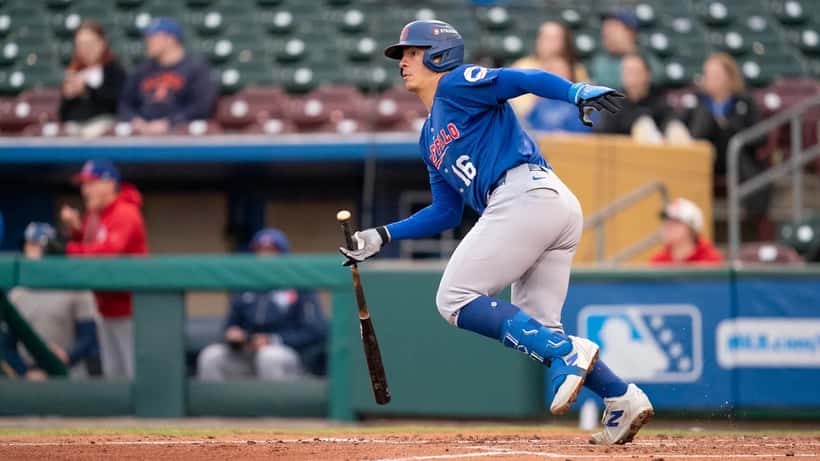
Brandon Valenzuela made history in 2026, stepping behind the plate for the Toronto Blue Jays as one of the newest faces in Major League Baseball. The Mexican catcher's MLB debut with Canada's only major league team brings the spotlight not just to his talent behind the dish — but to a financial reality that most rookie athletes are completely unprepared for: what happens when your first professional paycheck arrives and it's larger than anything your family has ever seen?
The Rookie Wealth Problem Nobody Talks About
The MLB minimum salary for 2026 sits at approximately $740,000 per year — a number that sounds staggering to most Canadians, but one that comes with tax obligations, agent fees, career uncertainty, and living expenses across two countries that can consume a shocking percentage of a rookie's earnings.
Brandon Valenzuela's journey from Mexico to Toronto is a story many Latino players know well: years in the minor leagues, living on $15,000-$35,000 annual salaries, sharing apartments with teammates, and sending money home to family. When the big league call finally comes, the financial transition is as jarring as the on-field adjustment.
According to the Financial Consumer Agency of Canada (FCAC), financial literacy gaps affect Canadians across income levels — and sudden wealth transitions are among the highest-risk moments for poor financial decision-making.
Tax Complexity for Cross-Border Athletes
Playing for a Canadian MLB team as a foreign national creates immediate tax complexity that most 22-year-old rookies are ill-equipped to navigate:
Canadian income tax on Canadian games — Players on the Toronto Blue Jays owe Canadian income tax on earnings from games played in Canada. Ontario's top combined marginal rate (federal + provincial) exceeds 53% for high earners.
U.S. withholding on games played in the U.S. — For the approximately 81 games played in American cities, the IRS withholds taxes on U.S.-sourced income. Athletes from Mexico must account for the Canada-U.S. and Mexico-U.S. tax treaties to avoid double taxation.
Mexican tax residency complications — Depending on how many days Valenzuela spends in Mexico during the off-season, he may maintain Mexican tax residency obligations. Cross-border athletes can inadvertently trigger tax liability in three jurisdictions simultaneously.
This complexity is not hypothetical. The sports pages regularly feature stories of athletes who, after what appeared to be lucrative careers, face financial distress in retirement. A certified financial planner with expertise in cross-border sports taxation is not a luxury for a Blue Jays rookie — it's a necessity.
Agent Fees, Signing Bonuses, and the Math of Professional Baseball
Brandon Valenzuela would have signed his original professional contract as an international prospect from Mexico, likely receiving a signing bonus that ranged from $10,000 to several hundred thousand dollars depending on his prospect ranking. Agent fees in baseball typically run between 3% and 5% of contracts.
For a player in Valenzuela's situation — a rookie catcher on a major league roster — the financial picture for year one might look like this:
- Gross MLB salary: ~$740,000
- Agent fees (4%): -$29,600
- Combined Canadian/U.S. taxes (estimated): -$280,000 to $380,000
- Housing, travel, meals not covered by team: -$40,000 to $80,000
- Net take-home: ~$280,000 to $390,000
This is still an excellent income — but it represents less than half of the headline salary. Without proactive planning, the remainder is vulnerable to lifestyle inflation, requests from extended family, and uninformed investment decisions.
The Career Uncertainty Factor
Catchers are among the most injury-prone positions in professional baseball. Foul tips to the hands, blocking pitches, and the cumulative stress of thousands of squats over a career mean that the average MLB catcher faces higher injury risk than most other position players. For a rookie like Valenzuela, the sobering truth is that his MLB career could last 15 years — or 15 games.
This uncertainty makes an emergency fund, disability insurance, and conservative long-term investment strategy critical from day one. Every rookie should have:
- 12-24 months of living expenses in liquid savings — in case of injury, demotion to the minors, or a sudden end to the MLB career
- Disability insurance — MLB players have access to disability policies, but off-season and post-career coverage requires supplemental planning
- Diversified investment portfolio — not concentrated in sports memorabilia, team ownership, or other sports-adjacent "investments" that appeal to athletes
Building Generational Wealth From a Baseball Career
For players like Brandon Valenzuela who come from working-class backgrounds, the goal of an MLB career is often not just personal financial security — it's transforming the financial trajectory of an entire family. Done correctly, a successful MLB career can create generational wealth. Done incorrectly, even a decade of high earnings can evaporate.
A qualified wealth manager experienced with professional athletes can establish structures to:
- Optimize tax exposure across multiple jurisdictions
- Create trusts and inheritance structures for family wealth transfer
- Invest conservatively during peak earning years to fund a decades-long retirement
- Protect against the very human tendency to overspend when money feels unlimited
Brandon Valenzuela's MLB debut is a story of talent and determination. Whether it becomes a story of lasting financial success depends on the expert team he builds off the field. Consult a wealth management specialist through ExpertZoom to build a financial game plan that's as solid as your on-field preparation.
