 Victoria Stewart
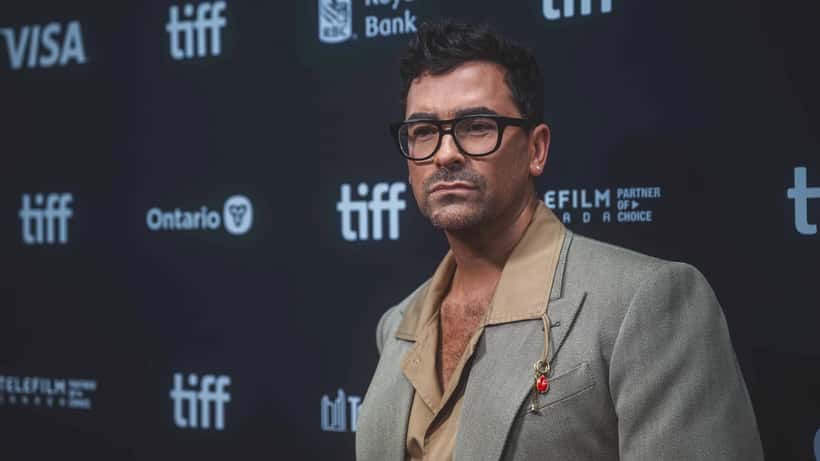
Dan Levy's new Netflix series Big Mistakes launched on April 9, 2026 and shot straight to third place on Canada's Netflix charts — a remarkable feat for a Canadian creator's show. The dark comedy follows two incompetent siblings blackmailed into working for organized crime after a spectacular series of bad decisions. Canadians are watching in droves, and the show's premise hits uncomfortably close to home: most of us have made at least one genuinely costly mistake we wish we could undo.
Why *Big Mistakes* Is Resonating With Canadians Right Now
Levy — best known for Schitt's Creek — created the show with Rachel Sennott. Critics have given it a 95% approval rating on Rotten Tomatoes. But the reason it's landing so hard in Canada in April 2026 isn't just the comedy. It's the timing.
Canadians are living through a period where the financial consequences of even small miscalculations are magnified. Interest rates, housing costs, and economic uncertainty have turned minor financial missteps into serious setbacks. The characters in Big Mistakes spiral from one bad call into catastrophe — and many viewers recognize that pattern in their own financial lives, even without the organized crime element.
According to the Financial Consumer Agency of Canada, fewer than half of Canadians have a written financial plan. That gap between intention and action is exactly where big mistakes happen.
Mistake 1: Treating Home Equity Like a Savings Account
In the years following the pandemic housing boom, many Canadians took out home equity lines of credit (HELOCs) against inflated property values. As prices have corrected in several markets, some now carry HELOC debt backed by equity that no longer fully exists. A qualified wealth manager can help you assess your actual net position and restructure before the situation becomes critical.
Mistake 2: Investing Without a Tax Strategy
Most Canadians know about the TFSA and RRSP — but far fewer use them in a coordinated way. The order in which you withdraw from registered vs. non-registered accounts can change your lifetime tax bill by tens of thousands of dollars. A certified financial planner can model the difference for your specific income profile. According to Statistics Canada, Canadians leave significant retirement savings on the table by not optimizing the order of account drawdowns.
Mistake 3: Not Having a Will or Power of Attorney
In 2026, only an estimated 51% of adult Canadians have an up-to-date will, according to data from the Canadian Bar Association. If you die intestate (without a will), provincial intestacy laws decide where your estate goes — and those rules may not match your wishes. If you become incapacitated without a power of attorney, your family may need to go to court to make decisions on your behalf. These are fixable risks that require a few hundred dollars and a conversation with a lawyer.
Mistake 4: Ignoring Inflation on Insurance Coverage
Your car insurance, home insurance, and life insurance were all priced based on what things cost when you bought them. After several years of inflation, the replacement cost of your home or vehicle may significantly exceed your coverage limits. Many Canadians discover this gap only after a loss. An annual review with an insurance professional is a simple fix.
Mistake 5: Delaying Professional Advice Until a Crisis
This is the quiet theme of Big Mistakes — the characters keep convincing themselves they can handle things themselves, and every escalation makes the hole deeper. In personal finance, the same pattern plays out constantly. People who would benefit most from a financial advisor consult one least, typically because they don't feel their situation warrants it.
The irony is that earlier professional intervention almost always costs less than crisis management. A wealth manager can help you build a plan before the pressure hits. A tax lawyer can structure your affairs proactively. An estate lawyer can document your wishes when you're healthy, clear-headed, and have options.
What Dan Levy's Characters Teach Us About Getting Help
The siblings in Big Mistakes are charming, funny, and catastrophically over-confident. Their story is comic because it escalates past the point where a reasonable person would ask for help. In real life, the moment to consult a professional is earlier than most people think — ideally before a problem is fully formed, not after.
If you're watching Big Mistakes and finding yourself uncomfortably reminded of a financial decision you've been putting off, that discomfort might be worth listening to. Canada's economic environment in 2026 rewards those who plan deliberately and penalizes those who improvise. Getting structured advice now — whether from a wealth manager, a financial planner, or a tax expert — is the opposite of a big mistake.
Disclaimer: This article is for general informational purposes only and does not constitute financial or legal advice. Consult a qualified Canadian financial professional for advice tailored to your circumstances.
