 Dimitri
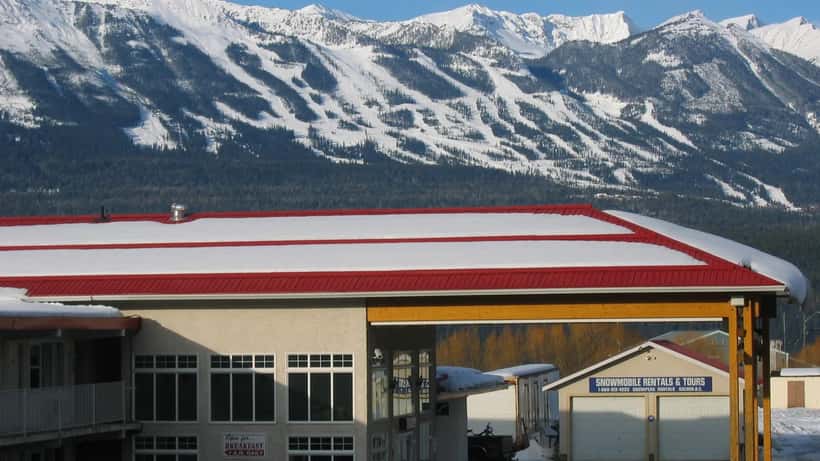
 Snowflakes blanketed the upper elevations of Kicking Horse Mountain Resort and Panorama Mountain Resort on August 30, 2026 — while summer was still technically in full swing across British Columbia. The images went viral almost immediately, but the real story for many BC residents isn't the novelty of August snow at the resorts: it's whether their vehicles are ready for the unpredictable mountain road conditions that can appear any time of year above 7,000 feet.
What Happened at BC's Mountain Resorts
The late-August snowfall caught many off guard. According to SnowBrains and Adventure Sports Network, several Canadian ski resorts — including Kicking Horse and Panorama in British Columbia, as well as Revelstoke, RED Mountain, and SilverStar — recorded their first snowfall of the 2026–27 season over the weekend of August 30. Snow accumulation reached two to three inches at elevations above 7,500 feet, while precipitation fell as sleet and rain at lower altitudes.
The resorts themselves are built for exactly this: their snowmaking systems, grooming equipment, and access protocols are designed around alpine unpredictability. Drivers heading up those mountain access roads are a different story. Summer tires with degraded tread, depleted brake pads, and windshield wipers that haven't been tested since spring can turn a scenic mountain drive into a serious safety incident within minutes of hitting an unexpected snow patch.
For context, Alberta's median date for first measurable snow is typically late September to early October. An August 30 snowfall arriving weeks ahead of schedule means the window between "summer driving mode" and "mountain-ready driving mode" is shorter than most BC drivers expect — and those who haven't made the transition are quietly at risk on every mountain access road between now and November.
A Mechanic's Reaction: What the Snow Is Telling You
For automotive mechanics who service vehicles in mountain communities like Golden, Radium Hot Springs, and Invermere — the towns closest to Kicking Horse and Panorama — the late August snowfall is a familiar early warning sign that city-based drivers routinely underestimate.
"Summer drivers on mountain roads are already dealing with brake fade from long descents, reduced traction on loose gravel shoulders, and altitude-related engine load changes," explains one mechanic with over a decade of experience servicing vehicles across BC's Interior. "When you add unexpected snow above 7,000 feet, the margin for error disappears if your vehicle isn't set up for it."
The five areas mechanics most commonly flag after summer mountain incidents:
1. Tire tread depth and type. Most BC drivers switch to winter or all-season tires in October or November. But with snow falling at elevation in late August 2026, that timeline has moved up. All-season tires with less than 4/32" of tread depth offer dramatically reduced stopping power on wet or compacted snow. Mountain switchbacks are not the place to discover this.
2. Brake system integrity. Mountain driving puts sustained, heavy demands on brakes — far beyond city stop-and-go traffic. Brake fluid absorbs moisture over time, lowering its boiling point and causing brake fade at the exact moment you need stopping power on a steep descent. A moisture test at most shops takes two minutes and is often free with any service visit.
3. AWD and 4WD system function. Many BC drivers own SUVs and trucks they haven't engaged 4WD on since last winter. After months of city driving, transfer case seals and differentials can develop minor leaks that go undetected until the system is put under load on a snow-covered slope. Testing AWD engagement in a flat, safe parking lot before heading to elevation is a basic precaution.
4. Windshield wipers and defrost. Summer heat degrades wiper blades faster than cold weather. A blade that smears through a snow squall at 7,000 feet is a serious visibility hazard. Test both front wipers and rear defrost before departure, not in the moment you need them.
5. Emergency kit currency. Blankets, road flares, a compact shovel, and traction aids — sand, kitty litter, or traction boards — matter most when you're waiting for assistance on a mountain road with no cell signal. Most emergency kits get depleted or expire without drivers noticing.
The Kicking Horse Drive That Went Wrong: A Concrete Case
Consider this scenario: Mia, a 34-year-old nurse from Kelowna, plans a late-August hiking trip near Kicking Horse Mountain Resort. She checks DriveBC the night before and sees no highway advisories. She drives her 2021 Honda CR-V on all-season tires installed two years ago, and by the time she reaches an elevation of approximately 7,200 feet on the mountain access road, she encounters two inches of compacted snow.
Her tires measure 3/32" tread depth — just below the recommended 4/32" minimum threshold for snow performance. Stopping distance on compacted snow at 50 km/h with 3/32" tires is approximately 45 metres. On the same surface with tires at 5/32" or better, that same vehicle stops in roughly 28 metres. That 17-metre gap — about four car lengths — is the difference between stopping cleanly and sliding into a guardrail or oncoming traffic on a blind mountain corner.
The if/then logic a mechanic applies: if tread depth is below 4/32" and the route climbs above 5,000 feet elevation between August and November, the drive should not proceed until adequate tires are installed. Full stop.
Had Mia's tires been flagged at a pre-trip inspection, a mechanic would have recommended one of two paths: new all-season tires at approximately $800–$1,100 installed, or delaying the trip. The cost of the alternative — a collision with a guardrail or another vehicle — averages $4,500–$12,000 in repairs for a minor to moderate impact, not including potential injury costs, rental vehicle fees, or towing from a remote mountain location (which alone can run $400–$800 in BC's Interior). Insurance deductibles typically add another $500–$1,000 out of pocket regardless of fault.
The numbers aren't designed to alarm — they're designed to reframe what a pre-trip tire check actually costs versus what skipping it can cost.
Why September Is the New Transition Month in BC
The August 30, 2026 snowfall at BC's mountain resorts is part of a broader pattern of weather variability in the province's alpine zones. The DriveBC road conditions service — operated by the BC Ministry of Transportation and Infrastructure — tracks mountain pass conditions in real time and issues advisories when deteriorating weather threatens route safety. In recent seasons, DriveBC has issued mountain pass warnings as early as August for routes including the Coquihalla Highway, the Rogers Pass, and the mountain corridors of Highways 1 and 99.
What this means practically for BC drivers: the "safe window" for mountain driving without any winter-weather preparation has narrowed. Planning to drive to Kicking Horse, Panorama, Revelstoke, or Whistler in September without first checking tire condition, brake health, and the DriveBC advisory page is increasingly a gamble — and one that September 2026 is already suggesting BC drivers stop taking.
Mountain mechanics in the Interior consistently report a surge in tire and brake appointments in late August and September, triggered by the first mountain snowfall of the season. Some of that work is planned. Much of it is reactive — booked after a close call on the road.
For related context on how BC mechanics approach other weather-triggered vehicle hazards, see what a mechanic must check before a tornado-season drive in Canada and how summer heat strains your car's systems — both part of a growing pattern of weather events demanding more of BC vehicles year-round.
What to Do Before Your Next Mountain Drive
A mechanic-approved pre-drive checklist for BC's early fall mountain season:
- Check tire tread depth with a tread-depth gauge or a quarter coin (approximately 3/32" when the coin rim is covered). If below 4/32", book a tire appointment before any mountain trip above 5,000 feet.
- Book a brake fluid moisture test — typically free at most shops and takes under three minutes. Replace if moisture contamination exceeds 3%.
- Test AWD or 4WD engagement in a flat parking lot before heading to elevation.
- Inspect and replace wiper blades if they're more than 12 months old or smear on a test swipe.
- Check DriveBC at drivebc.ca the morning of your drive for mountain pass advisories, chain-up requirements, or commercial vehicle restrictions.
- Restock your emergency kit with at least a blanket, flares, a compact shovel, and traction aids.
Mountain driving in BC is among the most spectacular driving available anywhere in the country. The routes to Kicking Horse, Panorama, Revelstoke, and Whistler reward every kilometre of commitment. But those roads ask something in return: a vehicle that's genuinely prepared for whatever the mountain decides to do. After August 30, 2026, the mountain has already made its intentions clear about what early fall looks like this year.
If you're uncertain whether your vehicle is ready for BC's mountain roads this fall, a certified mechanic can assess your tires, brakes, and drivetrain before your next trip — not after it. Expert Zoom connects you with experienced automotive mechanics across British Columbia who understand what mountain driving actually demands from a vehicle.
